We have to eat eight hundred grams of vegetables a day: the rule that the original study did not say
Popularly a figure has spread, and it has been assumed that if we do not reach it and above all if we exceed it, it is not healthy
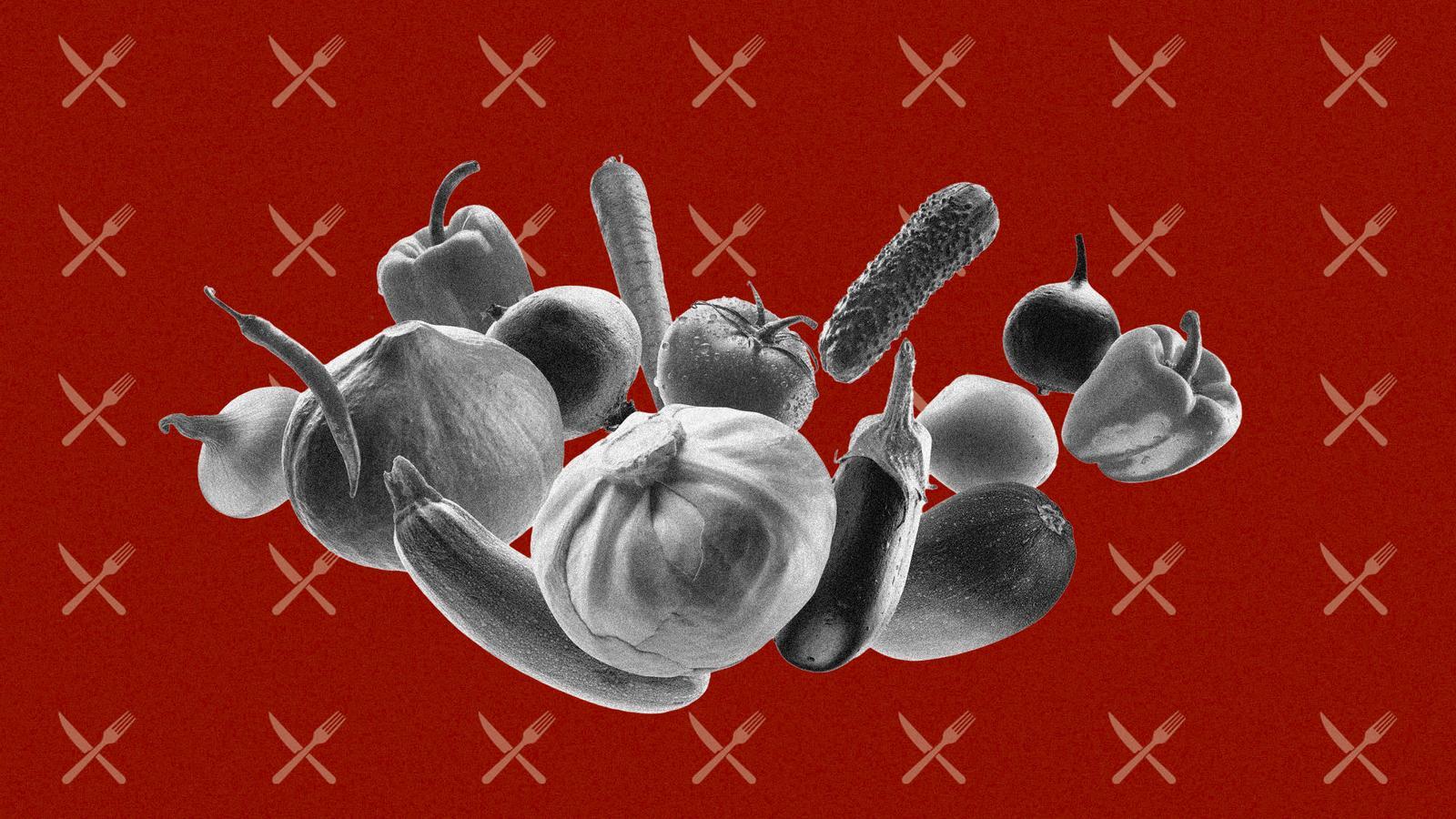

There is a widespread nutritional rule that maintains that daily we must eat a total of eight hundred grams of vegetables, neither less nor more. It all stems from several American studies and meta-analyses, which had indicated that, if done, cardiovascular diseases, strokes, diabetes, and some types of cancer were reduced in people who ate eight hundred grams of vegetables daily. “The phrase did not mean that the norm for healthy eating is that everyone must ingest this amount,” states the dietitian-nutritionist Anna Grífols.
The World Health Organization recommends a minimum, which is four hundred grams, of both fruits and vegetables, for the adult population. “It says minimum, and therefore it does not establish any upper limit, nor does it identify any adverse effects derived from reaching or exceeding this amount”, as it has often been popularly believed to be the case. “Therefore, if a person eats six hundred, eight hundred, one thousand or two thousand grams of vegetables a day because they like them, tolerate them well and their diet remains balanced, there is no nutritional reason to tell them that they must eat less because they have already reached their limit”.
To weigh it or not to weigh it
Does all this mean that when preparing our meals at home we have to weigh the vegetables we cook? The answer is no, of course. “The most interesting thing is to achieve a varied diet, with different colors, plant families, and forms of preparation: green leaves, tomato, pepper, carrot, broccoli, cauliflower, zucchini, eggplant, mushrooms, onion”. And why? Well, because “each vegetable provides a different combination of fiber, vitamins, minerals, and bioactive compounds”. Furthermore, we must follow another piece of advice, which is that of equality in the plant world. Let's put it in other words: “There is no vegetable superior to the others; there is none that we must eat mandatorily”, affirms the dietitian-nutritionist, who adds that “the best strategy is diversity”.
Therefore, the eight hundred grams popular in nutrition could be taken as a generic reference, which should make us think about eating vegetables and fruits every day. If this idea has spread nutritionally, even though studies did not set it as a rule, let us take it as a benchmark, because “what often happens is that we eat too few vegetables daily,” says Grífols.
This idea of taking a figure as a reference can remind us of the campaign that was carried out years ago regarding fruit: five pieces of fruit a day. It is not that we should obsess over eating that exact amount but that we should think about it, that we should consume fruit. We have fruit fields of the highest quality in Catalonia, especially in the lands of Lleida; the best thing we can do is eat them because it is good and local. “These are figures that help us understand that, in general, going from low vegetable consumption to higher consumption is associated with better health outcomes”. And if gaining health means eating pomegranates, carrots, leeks, radishes, spinach, and eggplants, now that they are in season, go ahead.

