Cadaqués corks will be sold again starting in January
They will be made by the pastry chef Oriol Balaguer in Barcelona and in La Bisbal d’Empordà, after the Cabrisas pastry shop, the inventors of this sweet, closed on October 31st

-
CAT -
CAST
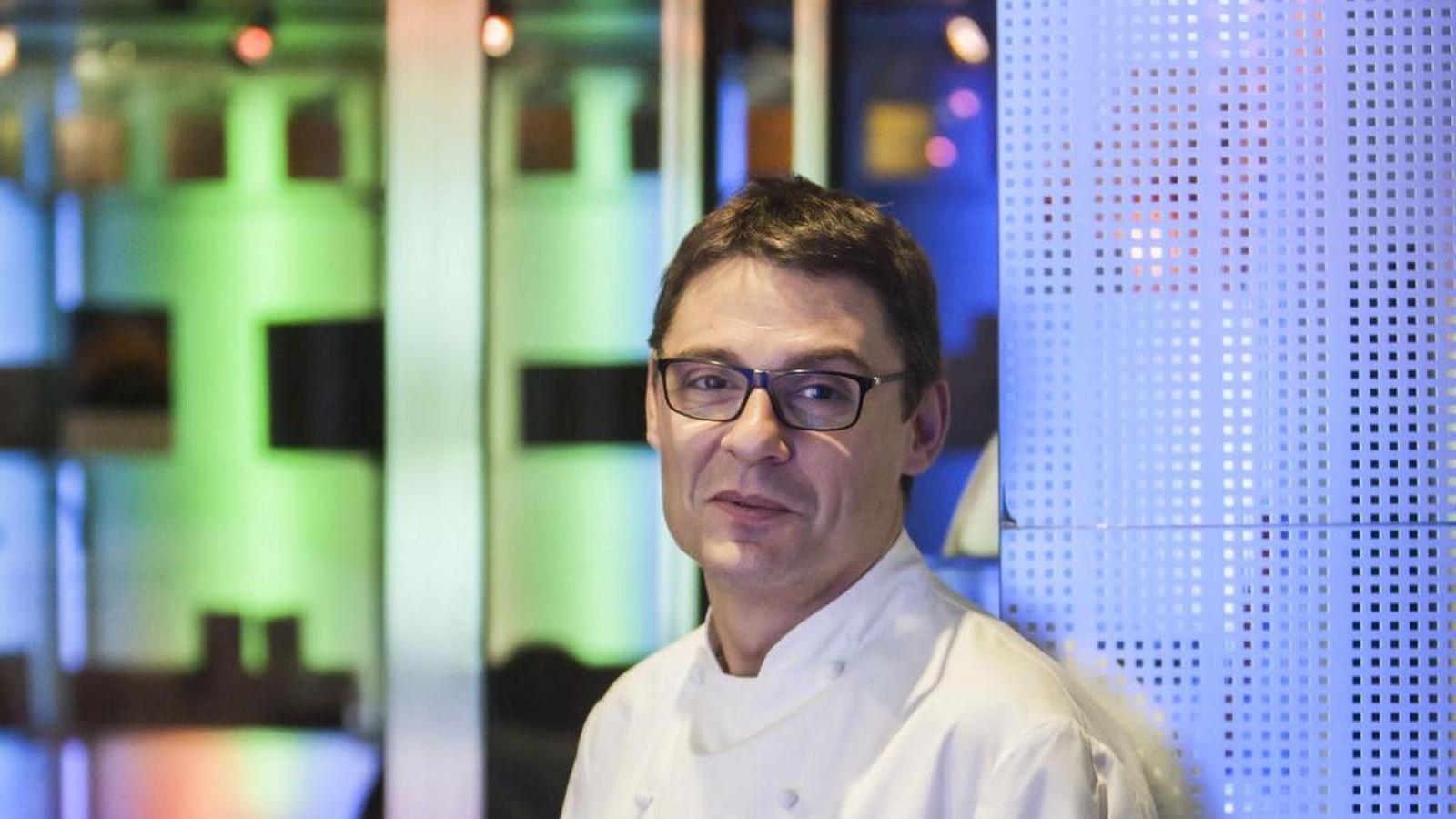
Barcelona and the Bisbal d'EmpordàThe last Cadaqués "taps" were sold by the Cabrisas bakery on October 31st. The creators themselves had invented and spread them, and they themselves decided to put an end to it after one hundred years of work. As soon as they closed, pastry chef Oriol Balaguer states that he received requests from individuals and private parties asking him if he could prepare them. Balaguer has been very closely linked to the Girona regions since he acquired the recipe for the bisbalencs and the bakery that created them, Can Sans, from La Bisbal de l’Empordà. “I also investigated whether I could carry out the same operation with the Cabrisas bakery in Cadaqués, but I found out that I could do nothing there,” explains the pastry chef, who in recent years has also acquired other bakeries in the country, such as La Duquesita in Madrid.

The fact is that in a few days he found himself with orders to prepare 'taps' just as Can Cabrisas used to make them. “I don't have the recipe, but I am doing tests to get close to it, and I think I will be able to achieve it,” he says, and adds that he will be able to use the name taps because it is not registered. The recipe is not registered either, because in gastronomy the process of registering preparations is of little use, because if only a single ingredient of the original recipe is changed, it is no longer considered to be a copy. Despite this, the restaurant la Tour d’Argent in Paris has registered the names and recipes they have created, such as the mysterious egg, the Tour d’Argent duck, and the Mademoiselle crepe (made with four liqueurs: mandarin, Cointreau, cognac, and Grand Marnier). And his case has set a precedent in a cookbook that ends up being global, and that is spreading more than ever throughout the world through social networks.
In the testing phase
Oriol Balaguer continues to explain that he has accepted the requests, and for this reason he is conducting tests to make a "tap" in the style of Can Cabrisas. "These months of November and December I will not sell them yet, because we have the Christmas campaign upon us," he says. In his case, it consists of preparing three different types of panettone: the classic, the chocolate one, and the chestnut and gianduja one, which he prepares in half-kilo and one-kilo formats, with prices ranging between thirty and fifty euros. He also makes nougats, Christmas wreaths (plum cake of vanilla and lemon), Yule logs, and, for Three Kings' Day, the tortell. "That is why I cannot put the taps on sale now, but as soon as the campaign ends, in the first week of January, I will get to it," he explains.
Currently, Oriol Balaguer has several pastry shops in Barcelona, located in the neighborhoods of Sarrià, Eixample, Les Corts (where the main workshop is, at Travessera de Les Corts 340), and in Sant Gervasi, where he has two. Precisely in these two establishments in the upper part of Barcelona, the chocolatier confesses that the clientele is the same one that also spends the summer in Empordà. Hence, he also sells "bisbalencs" there, because they are well known to the people of Barcelona who have houses in La Bisbal and surrounding villages. When he starts making the taps after January, he believes they will also be well received for the same reason. The pastry chef reveals that he approaches the preparation of the taps with respect, because he knows their history and knows the passion they have always aroused among the town's residents and summer visitors. They will never be able to be called taps de Cadaqués, because they will not have been made in the Can Cabrisas workshop, the pastry shop in the Plaça d'es Portal that looks out to the sea and where Mercè Cabrisas used to sell them with diligence, but they will be a good treat for nostalgic people and for those who admire the work of the pastry chef Oriol Balaguer.

