The authenticity of the space at the best restaurant in the world
-
CAT -
CAST
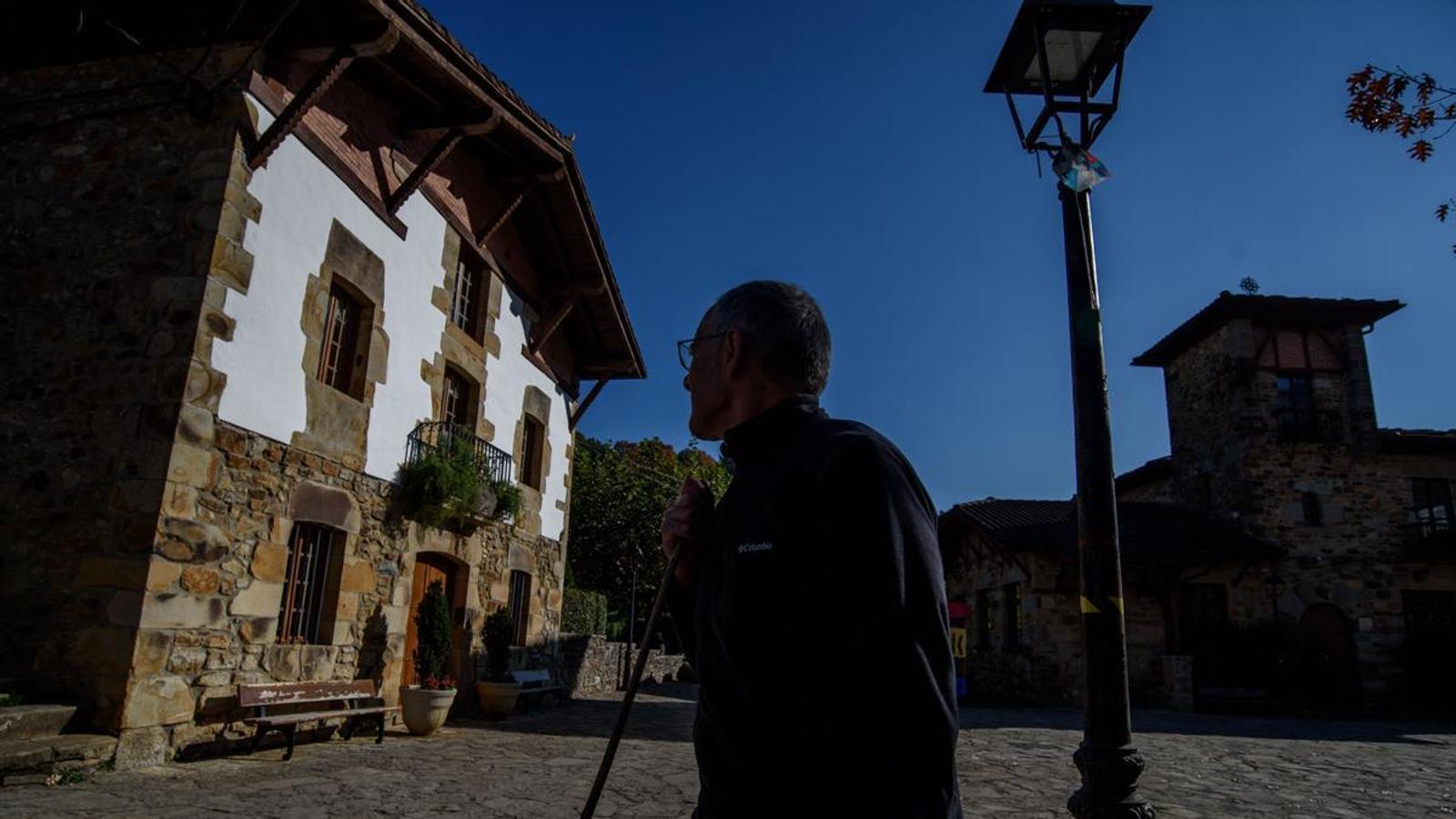
BarcelonaAt the end of the nineties, the traveler was recommended that restaurant in San Juan square, in Axpe, a small town in the Atxondo valley, in Biscay. It was a classic steakhouse. White tablecloths, simple tableware. He let himself be advised by the landlady: salad, chorizo, peppers and steak. And a glass of red wine. While he was eating he kept getting enthusiastic, and when the steak arrived he was blown away. Upon finishing, he wanted to go through the kitchen. A tall, thin and serious man received him while he was working with the embers and some grills hanging from pulleys.
—The best steak I have ever eaten.
—We do what we can.
The second time there were many more people who were not from the town, but everything seemed the same. Downstairs, the bar; upstairs, the restaurant. The appetizers, on the other hand, had become more sophisticated. He chose the menu and especially remembers the egg yolk, the elvers and the grilled caviar. Everything extraordinary. And the txuleta, even better than the first time. The atmosphere remained warm, with the white tablecloths, the wood of the chairs and the large windows.
El Bulli, the most illustrious of them all, also kept its dining room with that Central European air, a bit dated, like a mountain house. When everything was renovated to create the most revolutionary cuisine on the planet, the dining rooms were left the same, in homage to Marketta Schilling, who, with her husband, a German doctor, had arrived at Cala Montjoi in the late fifties. And that is how they remained until the last service, in July 2011. The spherical olives and the potato omelet in a cocktail glass were served in a room that looked like a small hotel in the Tyrol. The contrast was part of the message: the revolution was on the plate, not the curtains.And there is the opposite case. Arzak began in 1897 as a winery and tavern in the Alza neighborhood, in San Sebastián. It was a dining house and, with Juan Mari Arzak, the cradle of the new Basque cuisine and the second restaurant in the country with three stars. For many, that old stone house was as genuine and welcoming as its hake. The change consisted of covering it with a facade of rhomboidal zinc scales, in homage to the sea, and then they renovated the interior, including the staff's wardrobe. The waitresses changed their white aprons for a very modern black uniform, but one without personality. Arzak went from being a dining house to being a venue. What is hard to understand is dressing up in design a house that already had history. Decoration is not an addition: it is the first thing you taste.
Today Etxebarri costs 300 euros, it no longer serves dinner and getting a table there is almost impossible. Simplicity has become the most expensive luxury. But the house is the same: the bar downstairs, the stone, the wood and the smell of holm oak coming from the kitchen. No one would say that up there is the best restaurant in the world. And perhaps that is why it is.
