The fruit of an invasive plant that is better that we eat it than let it go to waste
Prickly pears are nutritious and local, although it is true that they are complicated when it comes to harvesting them because of the thorns on the skin

-
CAT -
CAST
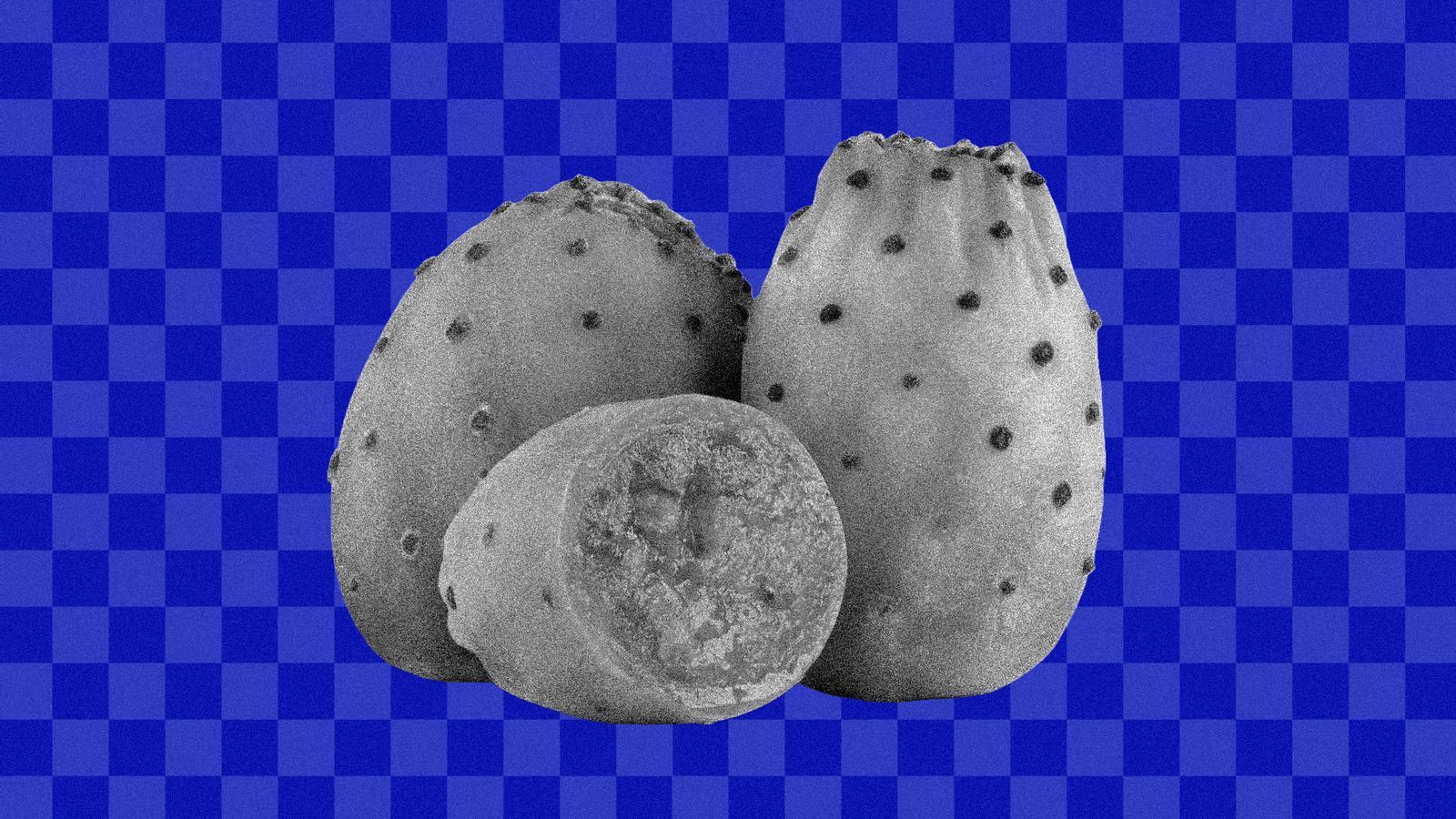
The prickly pear is an invasive plant. This is indicated by the catalogue of species created by the Ministry of Environment and Sustainability of the Government of Catalonia, which lists up to three different types: Opuntia maxima; Opuntia dillenii and Opuntia stricta. They come from Central America, especially, and have spread en masse throughout Catalonia. It is invasive because it competes with and displaces natural vegetation, which is why it does not have a good reputation. But since it is everywhere, it is cut and it sprouts again, a good remedy is to eat its fruits. However, it is true that it is one thing to say it and another to do it, because it is not easy at all.
To begin with, harvesting the fruit without hurting ourselves is of great complexity. The advice is to put on resistant gloves or, even better, to use a stick, finished in iron, which must be poked into the prickly pear, and then twisted slightly so that it detaches. Once on the ground, there is still more work. At the markets, farmers have explained to me that they place them inside a box full of sand, cover it, and shake it, so that the thorns fall off. If we do not have a box where we can put soil, another solution is to roll it on the ground where we have harvested them. And if all this is already done from the start because we bought them at the market, then we must explain how they are peeled and why they are recommended.
How do you peel it?
If the prickly pear has no thorns, we place it on a plate or table, and stick a fork into the middle of the fruit. Next, with the help of a knife, we remove the skin starting from the end of the pressure point we made with the fork. With this gesture, we will find a fleshy fruit that has all sorts of good nutritional properties, states dietitian-nutritionist Anna Grífols. Which ones? It provides fiber to the body, contains bioactive compounds such as polyphenols and betalains, which are partly responsible for the red and violet tones, and, in addition, it also provides water. “It is a fruit that can be part of a healthy diet, and it is locally sourced,” because we have it everywhere and nearby. “Some studies have observed favorable effects on cholesterol, but the quality and number of studies in humans are still limited; therefore, systematic reviews do not allow it to be considered a tool for weight loss or a treatment for diabetes,” states Anna Grífols.
If we had to look for a drawback, the dietitian-nutritionist points out “the seeds, small and numerous, which are edible, but can be annoying,” and also, of course, the small thorns that the skin may retain if they have not been extracted correctly in the process of passing the fruit along the ground and then removing the skin with a good knife. Despite all this, the advice is to eat it, because it is a seasonal fruit, it is nutritious and locally sourced. If it is available, it is better to eat it than to let it go to waste. This is what we have done with other invasive plants, such as the beloved mimosa, which we have turned into a symbol of spring, but which also, like the prickly pear, is located within the catalog of invasive plants. But mimosas are a whole different story.
