Neither anchovy nor boquerón: each time there is much less on the Catalan coast
If it is fresh, as it comes out of the sea, it is called seitó; anchovy, if it is a salted product, but it is not always like that throughout the territory

-
CAT -
CAST
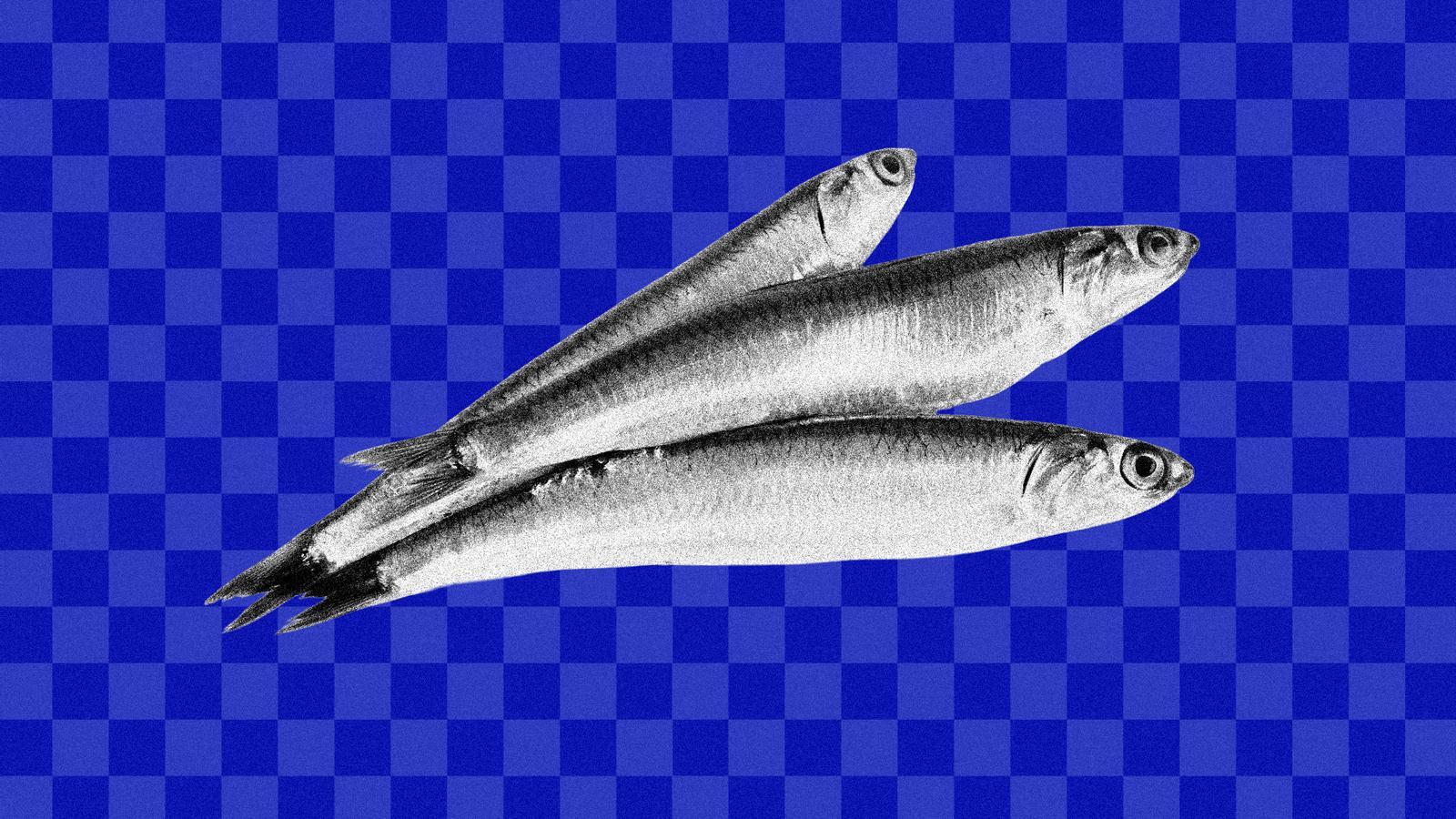
The anchovy (Engraulis encrasicolus) changes its name depending on how we cook it. If it is fresh, and we flour and fry it at home, it will be a 'seitó'. There are fishermen who claim that you don't even need to flour it, just fried directly with extra virgin olive oil is enough. When it comes to eating it, use your hands, because that crunch of the fish is good to eat without the use of a fork and knife. If we salt it, so that it is preserved for a long time, the 'seitó' is transformed into an 'anxova' (anchovy). There are fishermen who assure that it is not even necessary to flour it, just fried directly with extra virgin olive oil and that's it. When it comes to eating it, with your hands, because that crunch of the fish is enjoyable without using a fork and knife. If we cure it in salt, so that it is preserved for a long time, the 'seitó' transforms into an anchovy. One of the most prized recipes is the one from Cadaqués, like the one from chef Albert Raurich, who explains it and details the differences regarding what the author Josep Pla left written. And if we were now clear that there are two names for the same fish depending on how we prepare it, in Llançà, chef Lluís Fernández cooks one of the most desired stews, the anchovy one. He cooks it just as the fishermen of Llançà used to do: without potatoes, with cloves of garlic. It is a stew with fresh fish, but in Llançà they call it an anchovy. So the theory that the 'seitó' and the anchovy are different depending on whether it is fresh or salted disappears in Llançà, because when it is fresh, they already call it anchovy. And when it is salted, too.
Every land has its own way with names, but on the Catalan coast the 'seitó' has lost it all: it is disappearing. In 2018, the Catalan fish markets caught ten thousand tons, while last year, in 2025, one thousand two hundred. In seven years, almost nine thousand tons less. What has happened in these years for the catch to have decreased so much? I ask the scientist Anna Bozzano, and she tells me that there are a multitude of causes that can explain it. The rise in sea temperature, among these, because anchovies like to live between eighteen and twenty degrees, and they no longer find them in our sea. If the temperature is not good, then they do not have the favorable environmental conditions to reproduce, which is with external fertilization: between May and September they lay eggs in the sea and their sperm fertilizes them. That is why during these months of the year they used to be caught in abundance because that is when the anchovies congregate to fertilize the eggs. It is also why in spring and summer they were larger and better because it was the moment of reproduction and, therefore, they accumulate fat.
Fewer boats fishing
The possible reasons do not end here. There are more. The fleet of purse seine boats, those dedicated to fishing for anchovies, has decreased from our ports. And we could still say that for years there has been overfishing of this oily fish. All together is the cocktail that could explain why in our fishmongers the anchovies come from afar. At Mercabarna they assure that the anchovies they sell come especially from Cantabria, Galicia, and Andalusia. In fourth place, from Catalonia and the Valencian Community. We do not have Catalan anchovy, but the demand is the same as always, because it is a fish that is part of our gastronomic imaginary; for this reason, the price increases. In 2022 it increased by 6.65%, and this year, which has not yet ended, from January to August, the trend in prices is also on the rise, 6.89% more.
Therefore, expensive anchovies in the market for making anchovies, and fewer than ever. And without any possibility of change: this August the average water temperature on the surface of our coast was 28.2 °C, almost two degrees above the average value of the last decades. Neither 'seitons' nor anchovies, at this rate.

