Is it the beginning of the democratic resurrection? The party is already thinking about the presidential ones
Once won with great forcefulness the 'midterms', the challenge for the progressives is to make the promise of change a reality

-
CAT -
CAST
WashingtonA protest vote that is also a vote of confidence. The blue tsunami in the midterm elections was triggered by the earthquake of the Republican defeat, following widespread disappointment over Donald Trump's unfulfilled promises. The Democrats' victory in both chambers of Congress is the pendulum shifting to the other side but on the same axis: the desire for change in a country where more and more Americans see that they are losing purchasing power. It is no coincidence that the major issues that have marked this midterm campaign are the cost of living and corruption. And beneath this surface, a strong anti-establishment sentiment.
After the 2024 electoral defeat, in which the candidate Kamala Harris was unable to present herself as the candidate of change, the Democrats found that there was no successor. The entire party had become tied to the Washington establishment and had disconnected from the working class, while Trump continued to exploit his image as an outsider in politics –despite being a millionaire– and paired up with J.D. Vance, who boasted of his working-class origins while omitting his contacts with Silicon Valley fortunes.
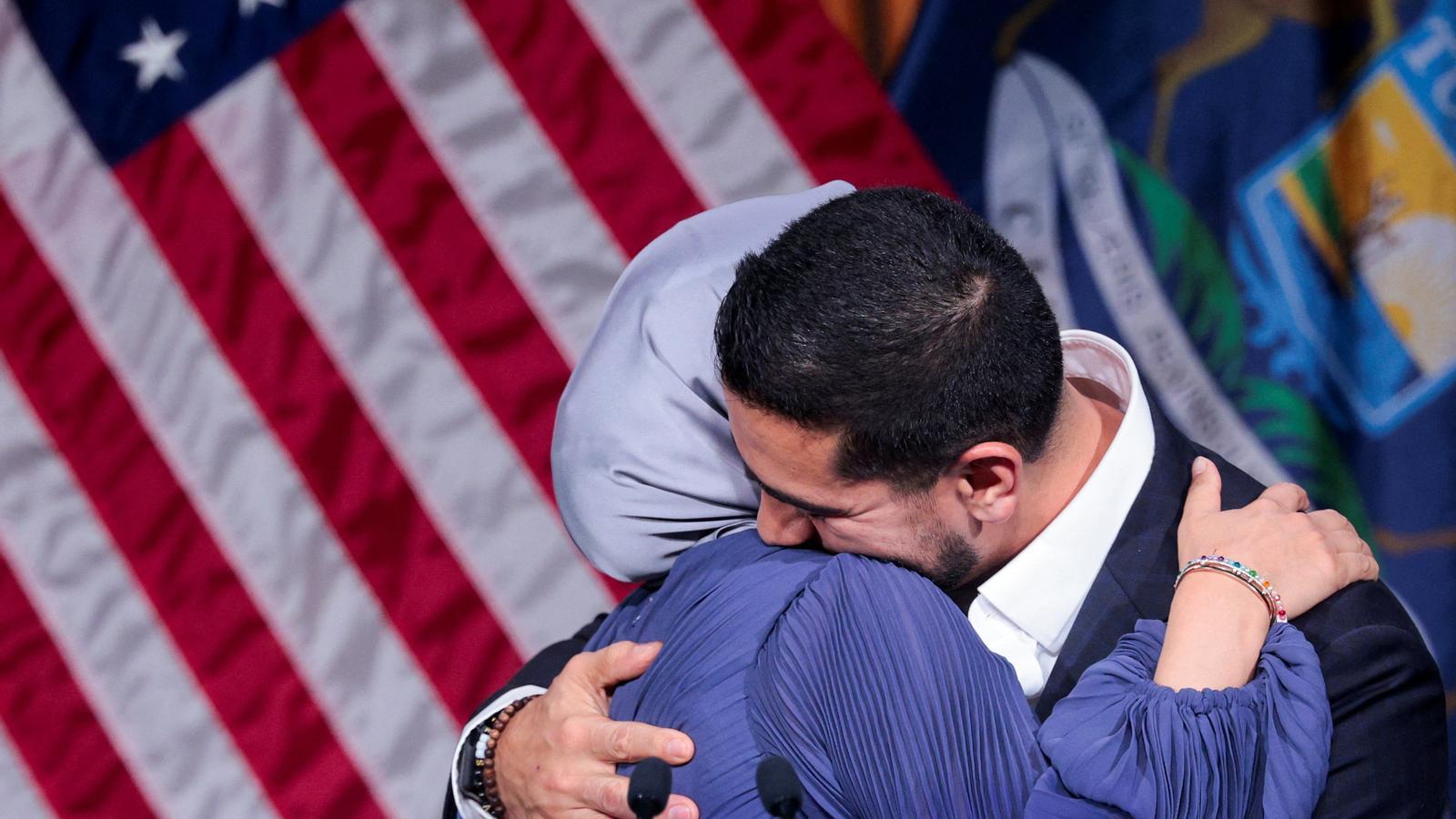
Whether it's James Talarico in Texas or Abdul El-Sayed in Michigan, a good number of the candidates who have managed to regain control of Congress have one element in common: voters see them as one of us. They are outsiders, people linked to the community they are addressing and who treat them as equals. Each with their own formula, mixing Christian morality with a progressive agenda or with a platform more skewed to the left, they have known how to put ordinary people back at the center. The people that independent Senator Bernie Sanders accused the Democratic Party of having abandoned: "It should not come as a great surprise that a Democratic Party which has abandoned the working class discovers that the working class has abandoned it".
In Texas and Kansas, the Democratic victory in the Senate cannot be understood without two key elements: the abandonment by Trump of his rural bases, which were hard hit by tariffs and the Iran war, and the pre-political space that already existed with the Christian communities that the Democratic candidates have managed to mobilize.
In the presidential elections, Trump benefited above all from evangelicals and white Christian nationalism, who saw in the Republican a way to advance their agenda. The alliance between this very specific sector of Christianity and the tycoon has also led to the mobilization of another part of American Christianity, one that is more progressive and does not feel represented by what is in the White House.
The left comes out strengthened
In this testing ground that the midterms have been, the other major takeaway is that the left wing of the party emerges strengthened. El-Sayed's victory has shown that a left-wing campaign can indeed be competitive in swing states like Michigan. With more than 10 million inhabitants, it is the tenth most populous state in the country, and this made it an initial laboratory for how an agenda that is further to the left and markedly populist might work in the rest of the US. In 2024, Trump defeated Harris by a margin of only 80,000 votes.
Although El-Sayed rejects the label of "socialist," the doctor who will now arrive in Congress and will make history as the first Muslim senator, had the support of Sanders and congresswoman Alexandria Ocasio-Cortez (AOC). The tandem of the party's left was the first to sponsor a candidate who, in the final stretch of the campaign, also ended up receiving the blessing of former president Barack Obama. During the joint rally in Detroit two weeks ago, both acknowledged that, despite the differences they had shown in the past, they believed in a common goal.
El-Sayed's victory also puts the Democratic Party leadership on guard, which has viewed with suspicion how the more progressive wing has been advancing since last year Zohran Mamdani won the mayorship of New York and placed the Democratic Socialists of America (DSA) at the center of the political board. From today on, the Democratic Party not only has the task of earning the vote of confidence that the citizenry has extended to it, but it also begins to outline the strategy it must adopt for 2028. A presidential election in which now, thanks to El-Sayed's victory, it seems a little less crazy to imagine the possibility that Ocasio-Cortez might present a candidacy.

