David Selvas: "We need migrants, we are an aging society and there are jobs that we do not want to do"
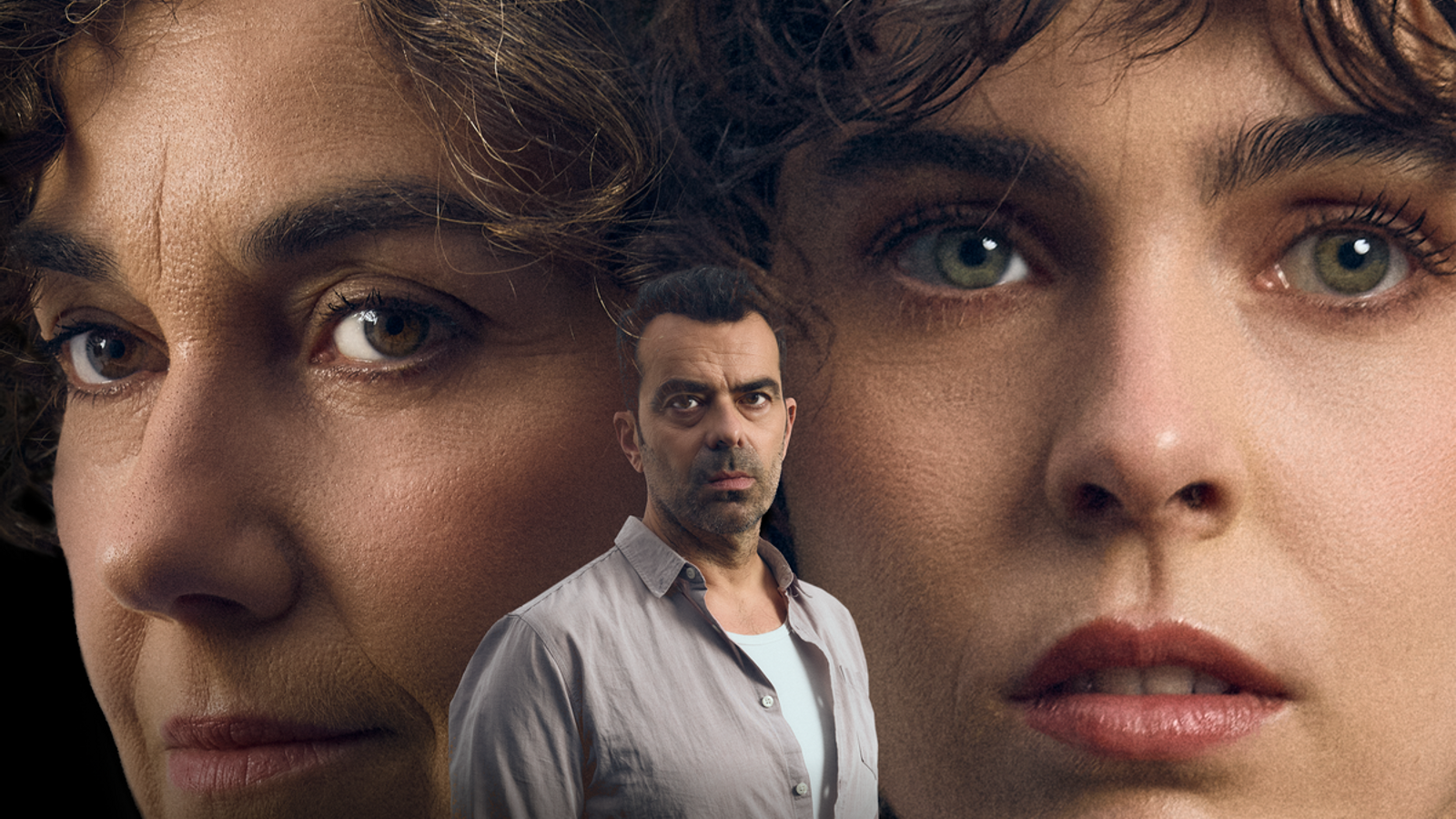
The actor stars in 'A View from the Bridge' with Laura Conejero and under the direction of Sílvia Munt at the Teatre Goya
-
CAT -
CAST
Barcelona"Except for women, we are worse off now than we were ten years ago," says theater director Sílvia Munt to underline the importance of continuing to perform Arthur Miller's plays on stage. Starting this Friday, Munt directs at the Teatre Goya View from the bridge, with David Selvas and Laura Conejero at the helm. Their version of the play arrives ten years after the one that Georges Lavaudant did at the Romea Theatre, with Eduard Fernández as the protagonist. "We have taken the play through a place that helps us connect with today's world, with this flawed and ancestral heterosexuality, with the domains of power. Now this A View from the Bridge it can happen on any corner you want in this world. Seeing it helps us understand it", highlights Munt. "With the passage of time you see it differently. The second feminist wave and the perspective on masculinity, ten years ago they weren't there. This new vision deeply oxygenates the work and makes it continue to resonate with us", states David Selvas.
His character, Eddie, is a worker of Italian origin living in the United States. Although Miller set the text in 1955, ten years after the Second World War, the director and the performers have chosen to bring it as close as possible to the present and thus connect it with the current migration crisis. "Since we have been promised everything, there are people who think they can take the whole pig. But if you take it all, someone is left with nothing. The more space you want for yourself, the less space you leave for the other. This happens constantly, perhaps now with more violence due to the rise of the far right," says Selvas. One of the great values of the text, he adds, is how it delves into fundamental human rights. "Deep down we are all migrants, we could migrate tomorrow and we will want to be treated as equals. We need migrants, we are an aging society and there are jobs that we do not want to do," the actor states.
Another look at the protagonist
One of the key decisions in the show's direction is the approach taken to the character of Beatrice (Conejero), Eddie's wife. "I saw her as a soft woman, but with Sílvia we have created a passionate, strong character, who relates as an equal to her husband, sees what is happening to him, and verbalizes it," the actress points out. In fact, for the director, one of the reasons for bringing the classic back to the stage was the opportunity to reinterpret the character from a feminine perspective. "Beatrice is a woman we know, who is close to us; she could be our mother, our friend, or our aunt. She has character and is the intelligent one in the couple," says Munt.
Alongside Selvas and Conejero, the show's cast also includes Eduard Buch, Jan D. Casablancas, Nil Cardoner, and Laura Gaja. All of them configure a constellation of family ties that brings out the contradictions and desires of the characters. "If there is no desire, the world does not move forward. But desires can start very well and end very badly. They are inevitable for living and irremediable for destruction," the director reflects. "Miller looks at the human being without labeling them as good or bad," she adds. "His characters are perverse, powerful, and envious, and that makes us understand a little more what this dance we have to dance is all about." With this play, the director returns to Arthur Miller and the Teatre Goya nine years after The Price. That show, starring Pere Arquillué, broke box office records, won over critics, and was the great success of the Grec festival. Selvas also returns to an author who has given her great joys. All My Sons, performed at the Teatre Lliure in 2023, won several Butaca awards and was nominated for the Max awards.
