A show connects the protests of Chile with the European reality
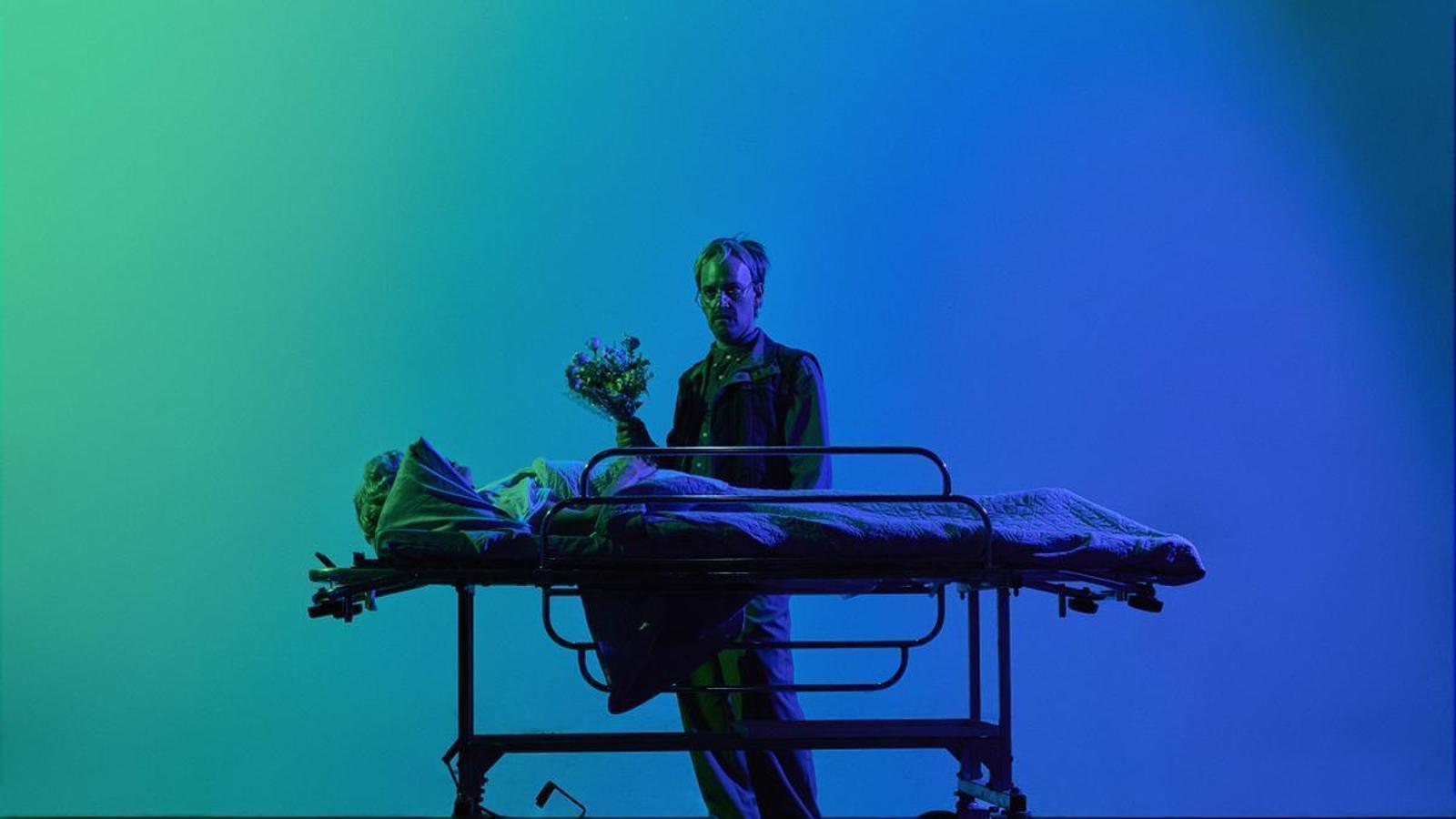
'Human stampede', by the company Bonobo, premieres this Friday at Temporada Alta

-
CAT -
CAST
BarcelonaChilean playwright Pablo Manzi wrote Human Stampede after the Chilean Social Outbreak, the massive demonstrations that the country experienced between 2019 and 2020 as a protest against the high cost of living, socioeconomic inequalities, and the crisis of legitimacy of the political system. "We see that something similar is now happening in Central Europe. This protest is emerging, but there are still no words to articulate it," says Manzi. That is why, he adds, this is a very good moment to premiere the Bonobo company's show on European stages. Human Stampede arrives this Friday at Canal de Salt, as part of the Temporada Alta festival, and will then continue its tour through Italy. "When we came last year with Temis, we already detected that our themes were in dialogue with your political reality," adds Manzi.
Human Stampede presents three apparently unrelated stories but with political and social unrest as a common element. On one hand, a group of neighbors must decide what to do with a homeless encampment installed in front of their building. On the other, an appliance store with financial problems needs a miracle to avoid being forced to close. And the third story revolves around a clandestine faction within the Chilean Carabineros. "We are talking about a country that lived through the experience of the Social Outbreak and what happened afterward. The ground shifted, the country was left in suspense. How have we articulated this? The right has tried to criminalize it, and one part of the left claims the protests while another feels ashamed of them," stresses Manzi.
A play of archetypes
The show walks between humor, the absurd, and discomfort to express the impossibility of achieving what the demonstrations were seeking. "We wonder which narratives the left has abandoned, or given away; which things the right has known how to hijack; how the left looks too much at the past and has stopped thinking about the future," explains the playwright, who co-directs the piece with Andreina Olivarí. For the staging, they have worked primarily with archetypes. "We don't build three-dimensional characters, but rather we play with the idea of roles. We place the characters and, without delving into them, we take them directly to the dramatic situation while maintaining the acting language characteristic of the company," explains one of the actors, Carlos Donoso.
Taking advantage of the visit to Catalonia, Manzi has reflected on the changes he has perceived lately in Europe. "I have noticed that the left is turning toward socialist concerns more linked to the material problems of people. The right has had a surge, but I have the feeling that it is short-term, because it is only based on the negation of a group. When you ask them what their project is, it is not clear," points out the playwright. "In Chile, when the blindfold fell from the eyes of the right, it was seen that, in reality, their project has been to privatize the public sphere even more."
