Why do some cured and semi-cured cheeses indicate on the label that they contain egg?
From the egg white is extracted an enzyme that is used for its anti-butyric action so that the cheeses do not deform

-
CAT -
CAST
Perhaps you have encountered this before. You buy a cured or semi-cured cheese –we have very good ones in our country– and in the list of allergens you read egg. Why? What is the reason that causes a cheese to contain it when, at first glance, we might think it is an unnecessary ingredient? For people allergic to eggs, who can suffer serious consequences if they ingest it, it is crucial information that they must know.
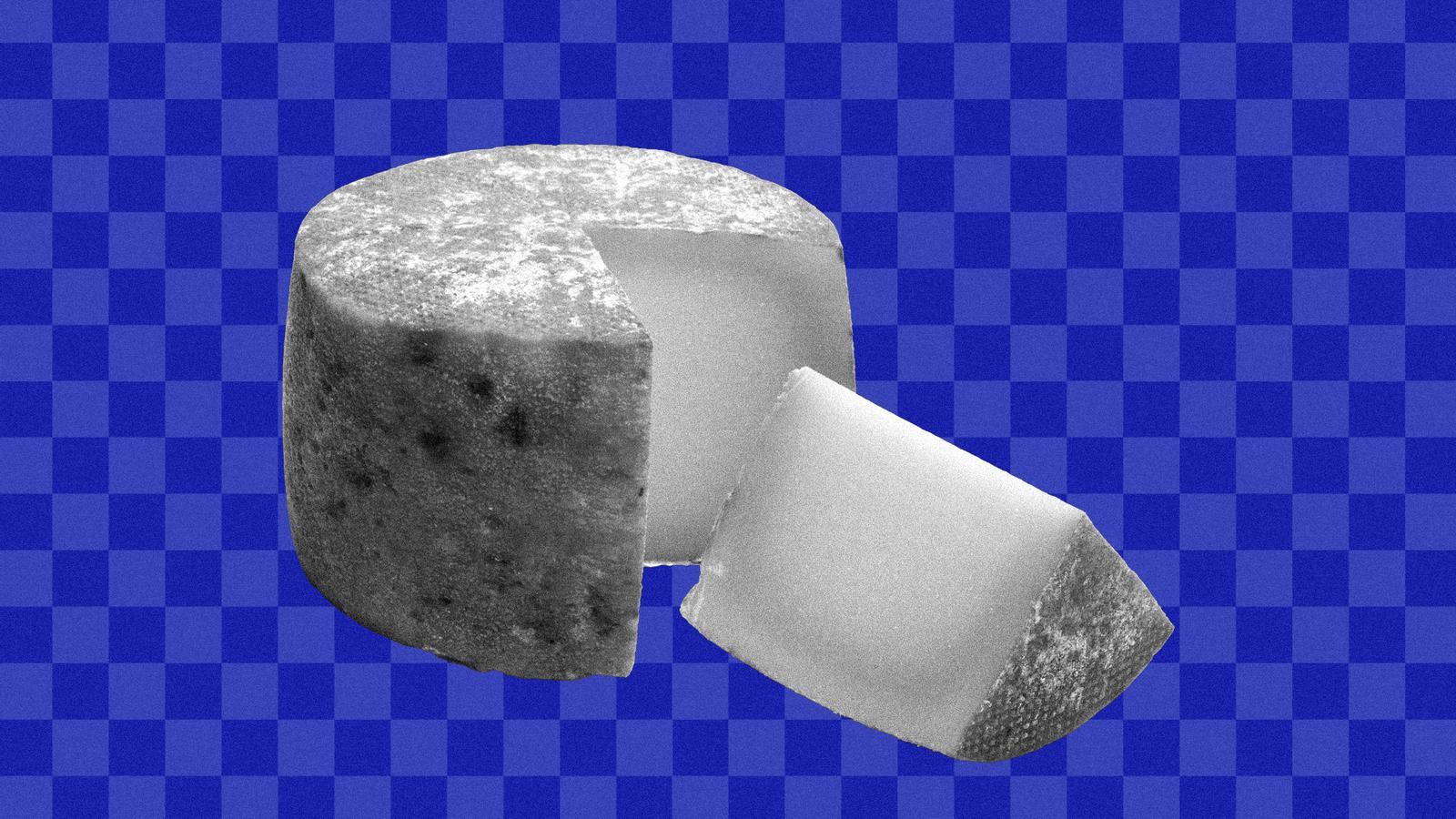
The answer is found in an anti-butyric substance that has been added to the milk to make the cheese: specifically, the enzyme from egg white called lysozyme. With this component, what is achieved is the prevention of the appearance of certain bacteria, Clostridium tyrobutyricum, which have the ability to inflate cheeses and, therefore, deform them: they can end up cracking them from the inside and causing them to have a bad taste. And this can happen in sheep cheeses as well as in goat and cow cheeses. “The reason why the anti-butyric is used is because of the very milk from which the cheeses are made,” says cheesemaker Toni Chueca, who adds that if there are cheeses that do not contain it, it is because they have been made with milk from animals that have had a specific diet, which is the one that does not cause it to contain the bacteria Clostridium tyrobutyricum. In any case, Chueca emphasizes that both artisanal and industrial cheeses can contain added lysozyme –the enzyme derived from egg white–, because everything starts with the milk, which despite being pasteurized can have this defect.
This is the reason why some cheeses contain egg. On the labeling, among the ingredients, you will find that egg takes the form of a preservative, it is E-1105, and it is often indicated in parentheses: derived from egg. In the allergens section, it must obligatorily say: egg. "It must be clearly identified on the label, because the egg can be present inside the cheese and not just on the rind," states dietician-nutritionist Alba Coll, who adds that in these types of cheeses "removing the skin, taking it off so as not to eat it, does not guarantee that the lysozyme, that is, the preservative E-1105, is eliminated."
Mandatory relevant information
This information is relevant for people who are allergic to eggs. “Egg lysozyme is a protein from the egg white and, therefore, it can trigger reactions in people who are allergic to egg protein or eggs, even when ingested through food products made with this enzyme,” reports dietitian-nutritionist Anna Grífols, who adds that, regarding this subject, “we are not strictly talking about food poisoning, but rather an allergic reaction, the severity of which varies from person to person.” In 2025, the European Food Safety Authority reconfirmed that the preservative E-1105 caused reactions in people allergic to eggs. And for that reason, it indicated that the labeling had to state the ingredient in a typographically prominent way. So the word egg as an allergen will be written in a larger size than the others if it appears. “If we buy cheese in bulk, we can ask the vendor for this information so that they can check it against the original label,” concludes Anna Grífols.
