The mushroom season starts late: where and when will we be able to find more?
The extreme heat of the last months has conditioned a lot the growth of mushrooms

-
CAT -
CAST
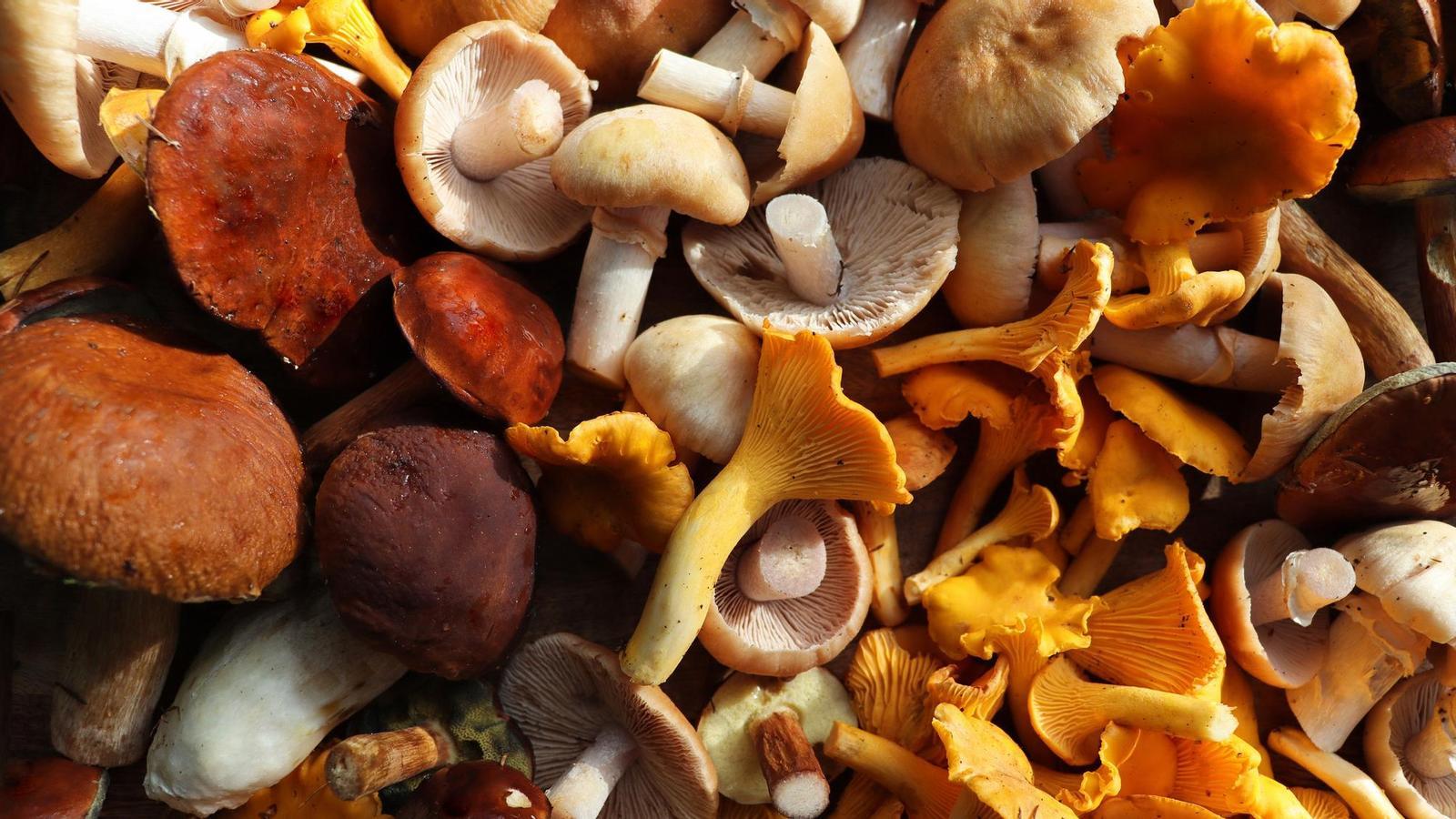
BarcelonaThis year's mushroom season has started quite a bit later than it should have. A very long and extremely hot summer—the hottest in history—has left the forests very damaged and thirsty. Fortunately, the autumn rains did not miss the appointment, but the more abundant and general precipitation did not arrive until October. All of this has meant that in September, mushrooms were very hard to find where they usually appear first, in the Pyrenees and Pre-Pyrenees, as well as in a large part of Europe. This has caused, until now, mushrooms to be sold at a premium price.
In fact, the season will be much shorter than normal in these mountain areas in the north of the country, a hub of attraction and epicenter of the mushroom world every autumn. The earliest mushrooms have not been abundant at all, and, despite the rain, with the cooling of the ground, it is unlikely that many more will appear, especially above 1,200 meters in altitude. Nor do the mid-season ones have a good forecast in these mid- and high-mountain areas. Therefore, chanterelles, porcini mushrooms, saffron milk caps, or winter chanterelles, for example, are already becoming scarcer in this sector.
“People must accept that soon in the Pyrenees and Pre-Pyrenees area, the season will be almost extinct,” asserts Daniel Siscart, a biologist and mycologist, to the ARA. The expert states that in these areas of the country, the overall mushroom production will be only 20%, a fifth of what is usual. Nothing like the good season from last year.
Therefore, with so much rain falling this October, where and when will we be able to find mushrooms in abundance? According to Siscart, this year the big harvest will fall in the pre-coastal area starting in November. “It has been many years since we had such a rainy autumn in the lowlands; on the coast and especially in the pre-coastal area, it could be a very good season, one of the best in recent years and with mushroom production above average,” states the expert.
The best areas to find mushrooms
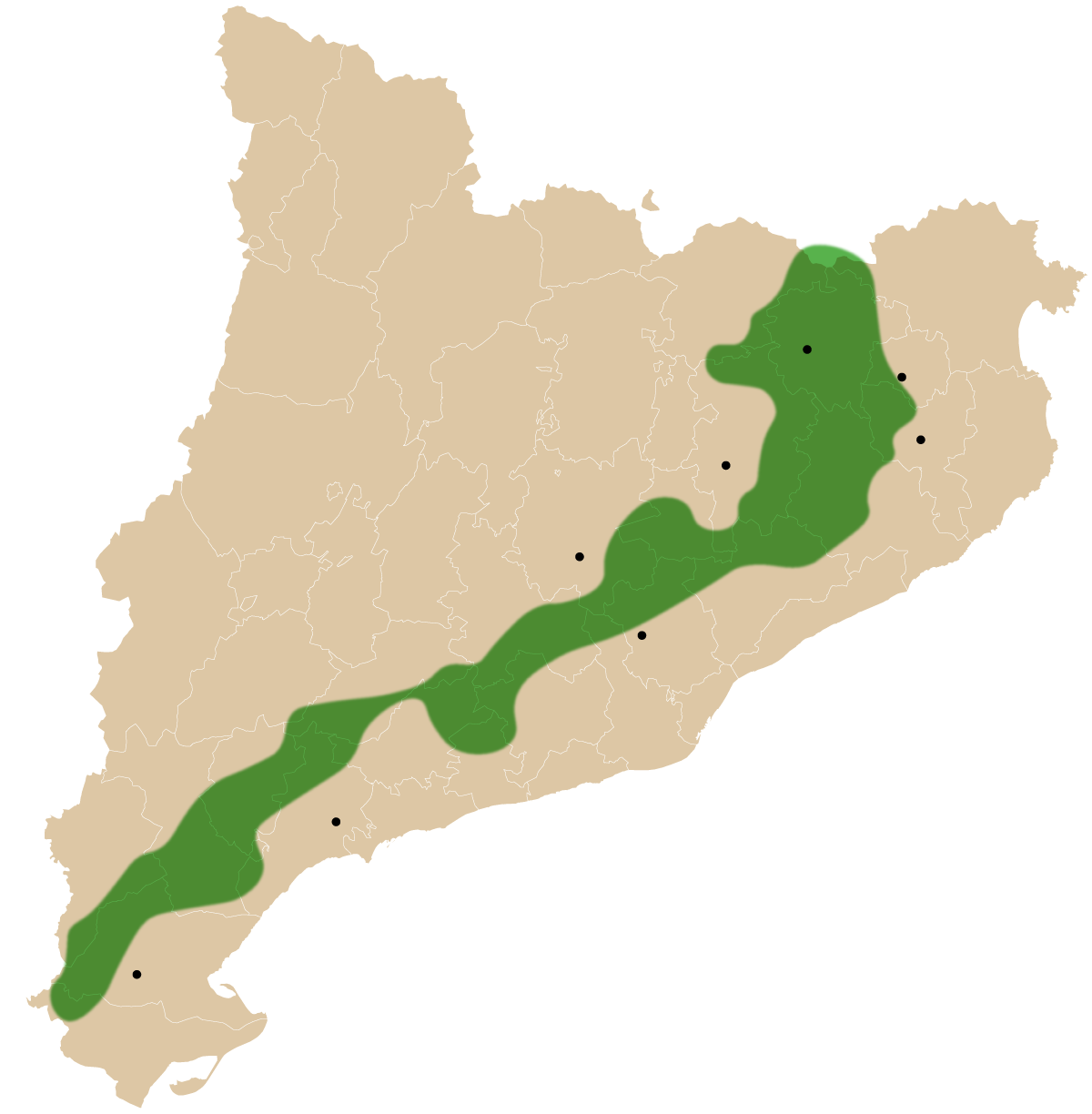
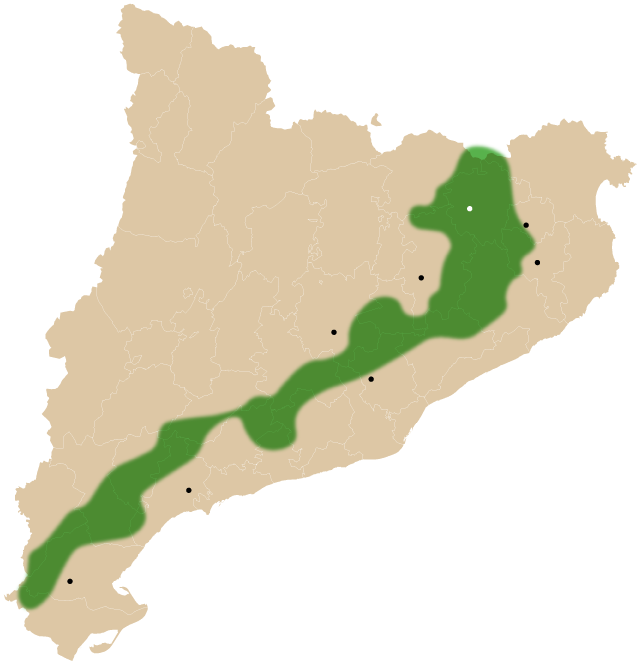
Thanks to the widespread and, in some cases, very abundant rains of this month of October, the natural parks and the rest of the wooded areas of the pre-coastal area can experience a great mushroom season, from the north to the south of the country. It is the opposite of what happened in recent years, when the best weather conditions and harvests were concentrated in the Pyrenees and Pre-Pyrenees.
Olot
Banyoles
Girona
Vic
Manresa
Terrassa
Reus
Tortosa
Olot
Banyoles
Girona
Vic
Manresa
Terrassa
Reus
Tortosa
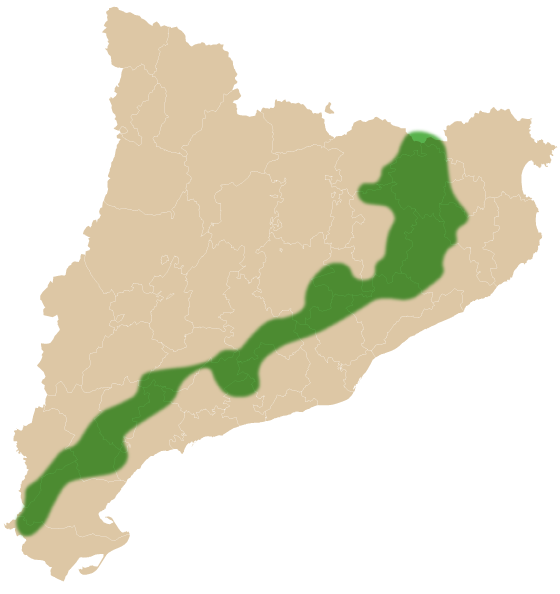
For example, the natural parks of Sant Llorenç del Munt i l’Obac, Montserrat or the volcanic area of La Garrotxa, Montseny, Les Guilleries, the entire area of the transverse mountain range or the Prades Mountains can experience an extraordinary season that will delight mushroom lovers. Even some areas of the coastal mountain range that have benefited from so much rain – such as the Montnegre and El Corredor park – can experience an excellent season.
Low elevations of the Pre-Pyrenees can also improve a season that until now has been lacklustre, while the pre-coastal areas at both ends of the country will depend a lot on whether there are strong mistral and tramontane winds throughout the autumn, which would prevent the growth of mushrooms. We are talking, for example, about the Els Ports de Tortosa-Beseit Natural Park (in the Ebro region) or the Serra de l’Albera (in the Alt Empordà region).
On the other hand, at mid and high mountain altitudes, cold and frost will gain ground during November, greatly limiting mushroom production. In the highest parts of Montseny, the cold can also wreak havoc on this late start to the season. In fact, in a large part of the coast and pre-coast, the season can extend until the beginning of December if there are no “major setbacks” regarding the weather, Siscart explains, such as strong winds, late heatwaves or premature cold snaps.

The most abundant mushrooms of this year
Early-season mushrooms have had a bad autumn so far. But all indications are that mid-season and late-season ones could be especially abundant along the coast and the pre-coastal areas. For now, those known as saprophytic mushrooms, which feed on dead organic matter and appear within a few days of obtaining optimal conditions, have begun to fruit. With so much rain, they have been activated. This is the case for oyster mushrooms, parasol mushrooms, fairy ring mushrooms, or field mushrooms. Some other types of mushrooms that we can find now in the forests are early summer porcini or russulas.
But the most sought-after and popular mushrooms have yet to bloom. This is the case of the saffron milk cap, which grows mainly under pine trees. Its main flowering is expected especially during the month of November at medium and low altitudes, and "it could have a very good season" in the pre-coastal area, assures Siscart. "Instead of October as is usual, this year everything is running late and we will have to wait until November," adds the mycologist.
A situation that will also be experienced by other full-autumn mushrooms such as the pine mushroom, the blushing wood mushroom, the porcini, or the yellowfoot. All of them—including the saffron milk cap—are mycorrhizal mushrooms that, unlike saprophytes, depend on living trees and may take more days or weeks to come out once they have received the necessary temperature and humidity, especially after so many months in a row of extreme heat.
On the other hand, the silver-grey tricholoma, the wax caps, or the wood hedgehog mushrooms will still have to wait, as they are late-season mushrooms. Finally, it must be remembered that we should not eat mushrooms that we do not know or that we doubt are edible, as they can be toxic and even deadly. Some can be confused with edible species. One of the best known is the death cap (Amanita phalloides), the most poisonous mushroom known.

Call to “not raze” the forests
The pre-coastal mountain ranges are near densely populated areas, such as the Barcelona metropolitan area. Taking into account the good season expected in this sector, this suggests that its forests and natural parks may receive many more visitors than usual in search of mushrooms. In this sense, Siscart calls for not "destroying" the forests.
“May people only pick the mushrooms they know, may they not pull them all up and leave a forest destroyed and crushed,” the expert appeals, reminding that we can always touch, smell, or take photos of the mushrooms without the need to harvest them. “Let's leave them alone and not disturb the fungi so much; may everyone enjoy the forest and the mushrooms, but without devastating them,” he expresses.

Mushrooms and the climate crisis
The climate crisis is altering the ecosystems of our home and the entire planet. And mushrooms, so sensitive to weather changes, are undergoing significant changes in their behavior. A clear example is this year, as the exceptional heat of recent months has greatly delayed the start of the season. If it hadn't rained so much, the situation in the forests would be critical.
“The trend is that, with the rise in temperature, we will have a more arid landscape, and this will reduce the production of mushrooms and their regularity,” warns Siscart. “Until now, the mushroom picker had a very clear idea of the time and area where they could find mushrooms; but now, if they want to be successful, they have to be much more aware of the weather forecast and how the conditions in the area they are interested in are evolving to know if they can find mushrooms or not,” concludes the mycologist.

