The fight against the climate crisis runs aground
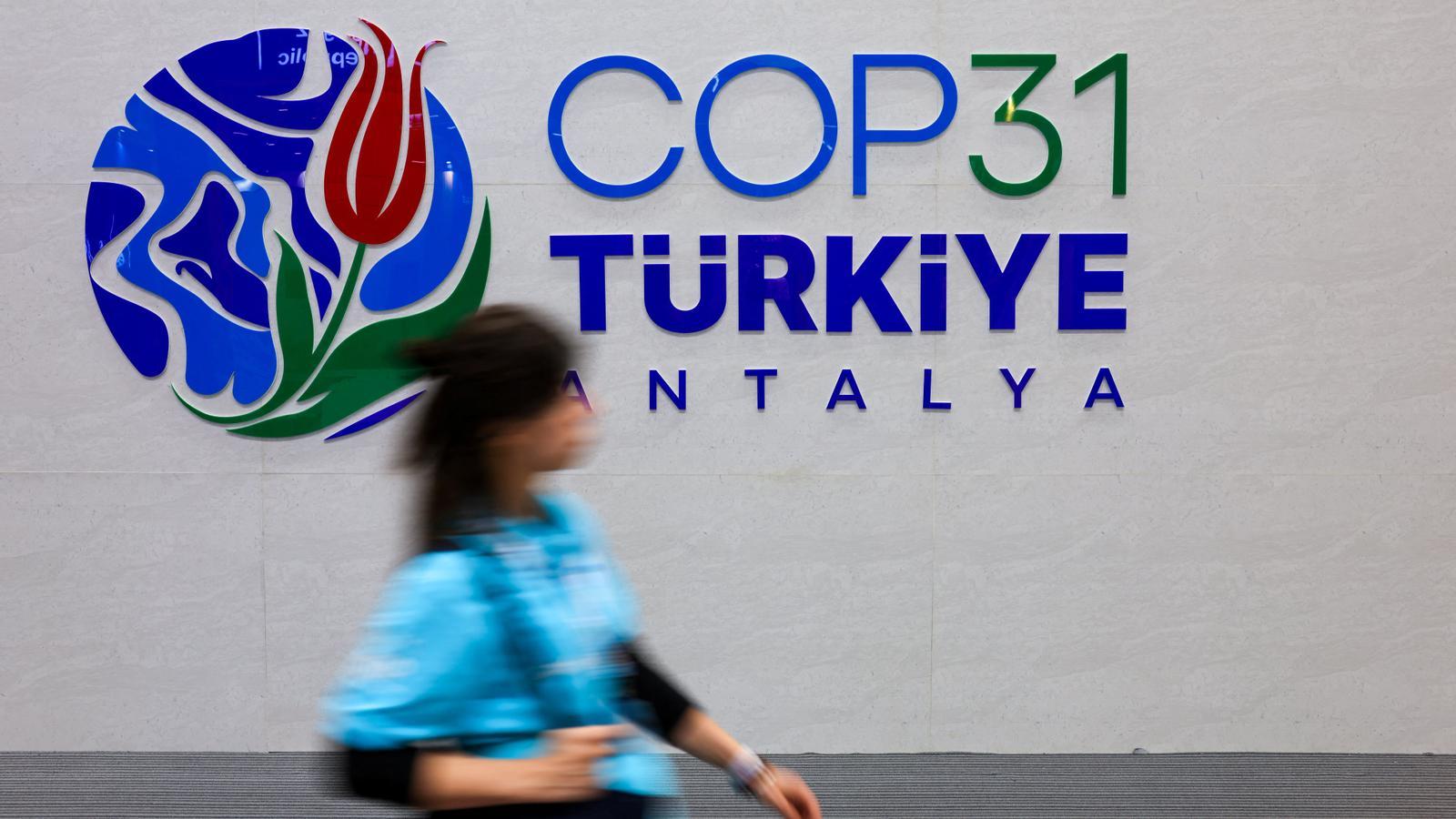

BarcelonaWith many difficulties and ups and downs, but also with commendable persistence, international diplomacy has been weaving agreements to fight against the climate emergency since the 1997 Kyoto Protocol. The goal, let us remember, was to lower polluting emissions to prevent a rise in temperature from causing irreversible changes on the planet and meteorological catastrophes. The summits sponsored by the UN have followed one another, some with more success than others, but it turns out that this weekend the COP31 held in the city of Antalya, in Turkey, ended without an agreement and experts do not hesitate to describe it as a historic failure.
What happened? Well, powers like China, Russia, and India, plus the oil-producing countries of the Persian Gulf, have blocked any mention of the end of fossil fuels. This caused the European Union, the United Kingdom, and the majority of underdeveloped countries to refuse to sign such a watered-down agreement, which does not touch the core of the climate emergency. The failure is striking, but it cannot be said to be surprising, especially because we come from a summit in which China, Russia, and the United States (which does not directly participate in the summit by Trump's decision) reached an agreement to increase oil refining.
Therefore, the failure of the Turkey summit is not only a failure of climate policies, but also of the multilateral diplomacy system that until now had allowed for progress, even if in a modest way. With the United States actively boycotting any green policy from the outside, with Russia dependent on oil to sustain its war effort in Ukraine, and China and India not wanting to make any sacrifice that puts their economic development at risk, it was impossible to reach an agreement. The result is, therefore, a victory for those who want to weaken the international order that emerged after the Second World War and return to spheres of influence and the rule that no one can tell the superpowers what they can and cannot do.
The experts consulted by ARA point out that it was better to block the agreement than to subscribe to the minimum text proposed by Turkey and Australia, which were the co-organizers. Apart from making no reference to the end of fossil fuels, the necessary resources for the planet's poorest countries to cope with the effects of the climate crisis were also not put on the table. This will inevitably lead to more migration, which is what the countries that refuse to make concessions want to avoid.
The fight against climate change is stalling at a very dangerous moment, just when denialist options are gaining weight in many countries (one of them may be Spain next Sunday) and the end of combustion engines and the use of oil in general is being called into question. And this coincides, precisely, with extreme meteorological phenomena, which we saw here with the 2024 DANA and have seen with this summer's fires due to the heat wave, and which this year could escalate even further due to the super-El Niño.
