The useful idiots of the right
-
CAT -
CAST
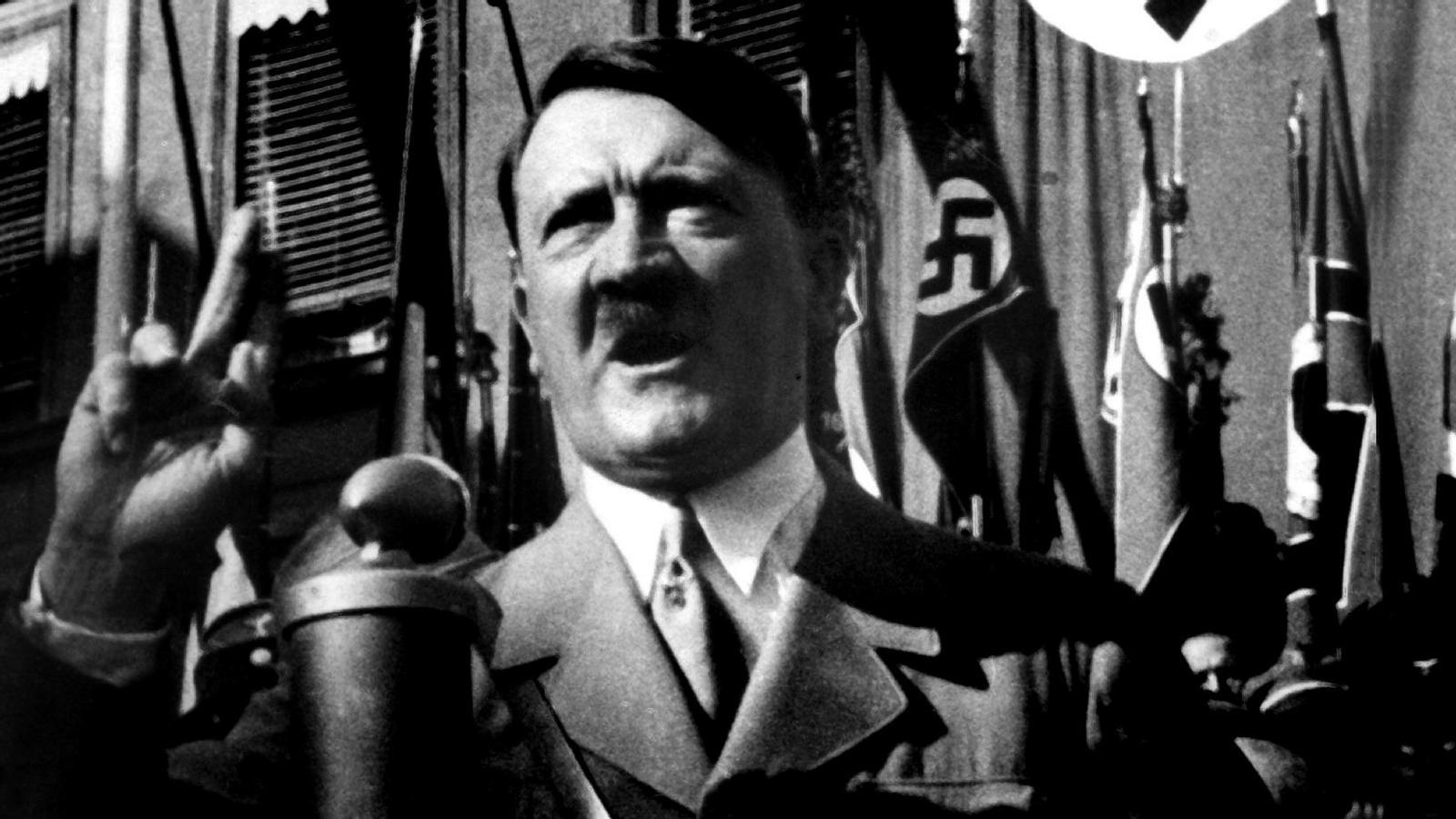
BarcelonaFrench historian Johann Chapoutot has delved into Weimar Germany to see who made Hitler's rise to power possible. He examines this in detail in The Irresponsible (Angle Editorial, translated by Andreu Gomila). Now that we see, here and everywhere, how many people buy the fatalistic and angry narrative of the far-right ("first our own"), this reading is well worth it. The parallels are so evident that they are unsettling. It is a book that emotionally refers, and provides the entire historical context, to The White Ribbon, the icy film by Michael Haneke.
The author says, describing what the Nazi party (the German National People's Party) was doing in 1932: "They are racist and antisemitic, they want to regenerate the German nation and they imitate a social justice discourse that is quite convenient for winning votes". Where it says "antisemitic" put "anti-Muslim" and where it says "German nation" put "Catalan nation" or "Spanish nation", and there we have it. If back then, almost a century ago, there was the Soviet communist scarecrow (and that of the Spanish republic), now the bogeyman is "the invasion of immigrants", the fear of poverty and cultural difference, fears wrapped once again in a primary and visceral identitarian discourse.
Hitler did not reach the top by magic or by a sudden collective madness. The conservative and liberal right-wing parties, a good part of the business sector and the banks (embracing the manna of rearmament), the intellectual elites, the high officials (judges, police, army), and the rentier and landowning aristocracy and the impoverished peasantry opened the doors for him. Support for the Nazis also came from the tabloid press magnate Alfred Hugenberg, a precursor to Rupert Murdoch or Silvio Berlusconi, but with a solid intellectual background. He came to own 26 newspapers and to disseminate articles with his ultranationalist, reactionary, and racist editorial line in 1,600 publications. Furthermore, he controlled German film production.
The Weimar Republic, born in 1919, had a liberal, democratic, parliamentary, and social constitution. It was a beacon of hope amidst extremism and in the aftermath of the punishing Treaty of Versailles. But that rule of law was gradually destroyed from within and from above, step by step, with abundant collusion, while the economic crisis fueled radicalism. Many chose to sacrifice democracy in exchange for a strong leader whom they believed they could control from the shadows.
Hitler did not come to power democratically
"The extreme center put the far right in power," writes Chapoutot, who emphasizes debunking the idea that Hitler came to power democratically. In reality, the Nazi party never even reached 38% of the vote before Hitler was appointed chancellor by decree in 1933. They handed him power. Chapoutot describes that decisive historical moment as the "suicide of a republic," if not an "outright assassination." Are we currently in a similar process? What does Donald Trump represent today?
Weimar soon became a presidential regime, headed by Hindenburg, the embodiment of the Prussian knight, obsessed with blocking the way not only for the communists but also for the social democrats. To achieve this, he did not hesitate to abuse power and allow governing by decree, bypassing the parliamentary path. Theorized by Carl Schmitt, a kind of direct presidential democracy emerged.
In the summer of 1930, the grumpy old Hindenburg dissolved the Reichstag and called for elections: the SPD emerged weakened but remained the leading party (24.5%), the center-right governing party fell back to 14.8%, the communists climbed to 13%, the conservative right fell to 7%, and other sister parties also collapsed. The one that rose was the Nazi party, the NSDAP, which went from 2.8% to 18.3%. At that moment, Hitler was not even a German citizen yet: he acquired nationality on February 26, 1932.
The SPD continued to support a right-wing government as the lesser of two evils, even though the indefatigable Chancellor Brüning carried out a very harsh austerity policy with bloody social cuts (Keynes would not publish his key work until 1936). Afterwards, successively, a rapid drift would come with the cabinets of Franz von Papen, Kurt von Schleicher, Hitler-Papen, and Hitler alone. It was the beginning of the end.
