Ayensa, Cavafy, Greece
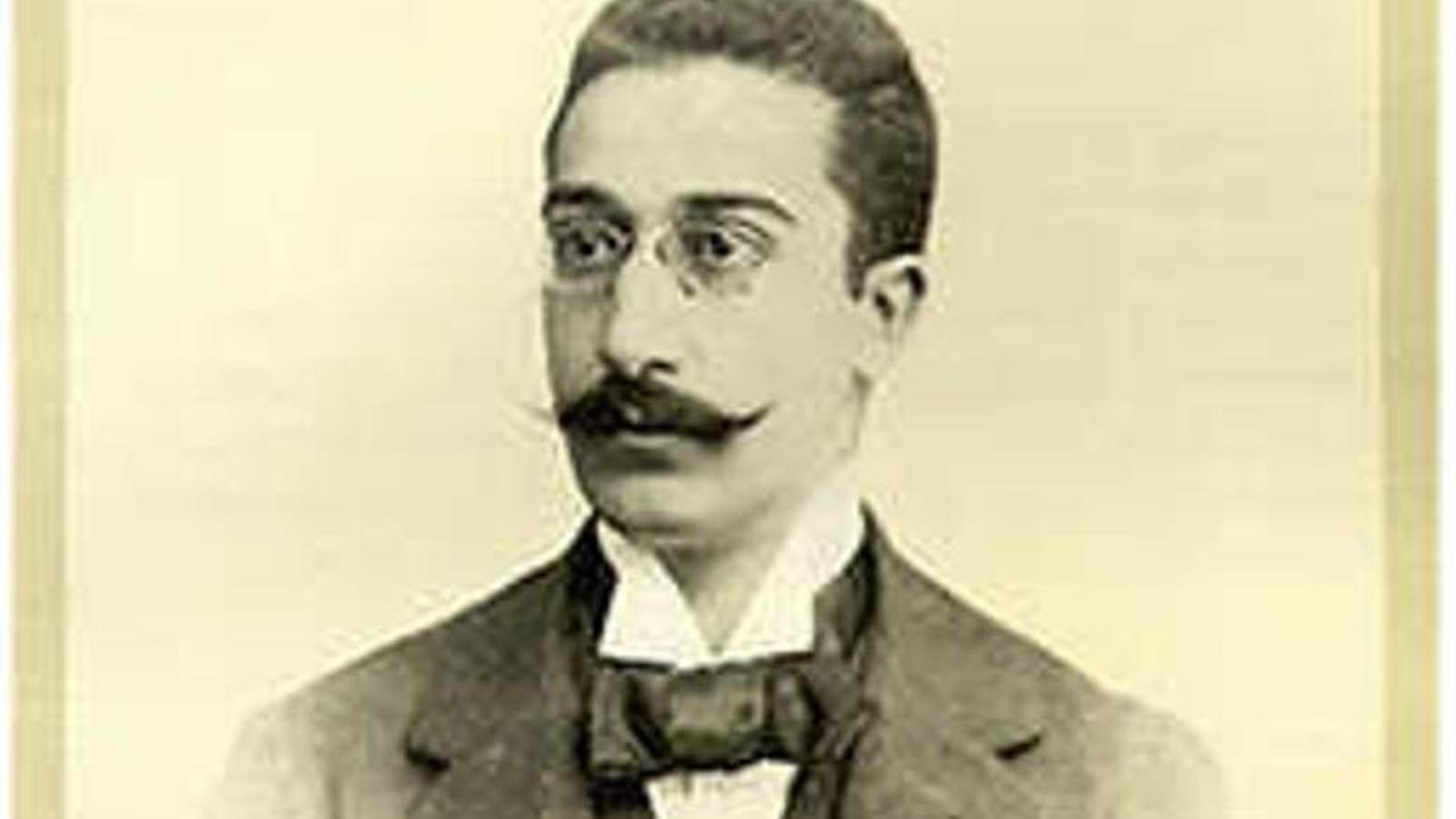

This Wednesday, at the Calders bookstore in Barcelona, a new revised edition of the Complete Poetry by Cavafy is being presented, translated by Hellenist Eusebi Ayensa Prat. The previous 2024 edition, which sold out, was published by Flâneur, and the new one is released by Edicions Proa. It is a first-rate editorial and literary event, because Cavafy's poems are part of the 20th-century Weltliteratur, and Eusebi Ayensa's translation is undoubtedly on par with the original and the high lineage of translators Cavafy has had in Catalan, which includes the names of Carles Riba, Alexis Eudald Solà, or Joan Ferraté. Ayensa's version has been distinguished with a series of prestigious awards (the Serra d'Or Critics' Prize, the Aurora Bertrana Prize, or the National Translation Prize of Greece) that attest to its quality. The volume also offers an illuminating study by Ayensa himself on Cavafy's poetry, and a generous amount of unpublished material that makes this the first time we have all of Cavafy available in Catalan.
The excitement does not end here. The Valencian singer-songwriter Elies Monxolí has recently published Univers Kavafis (Edicions Cal·lígaf), an impressive book-disc both in form and content, with a collection of excellent songs based on Cavafy's poems translated by Ayensa, featuring luxury collaborations such as Manel Camp, Javier Costa, the Greek singer Alexandra Gravas, or Lluís Llach, author of the ’Ítaca most unforgettable, the one we learned to sing. The album can also be heard on Spotify (I will insist that you do not miss it: both Monxolí's compositions and the performances of the musicians and vocalists are worth taking your hat off to). But the book-disc offers a beautiful edition, illustrated by the painter Alekos Fassianos, one of the great names of current Greek art, which makes it a piece that one wants to have (like the new Kavafy-Ayensa edition at Proa, quite luxurious). Cavafy was a firm supporter of surrounding ourselves with beauty to take refuge from coarseness, ugliness, and evil.
La tercera pota is the latest essay published by Eusebi Ayensa, in this case with the publishing house Bromera, with an eloquent title, in some ways a bit Hölderlinian and Byronian: Why Greece, today? It is a vigorous refutation of the supposed decline of contemporary Greece and a vindication of the role of this small European and Mediterranean country as a great power in today's world, through a review of some great names of its culture from Cavafy to the present day, from Odysseas Elytis or Yannis Ritsos to Nikos Kazantzakis, Theo Angelopoulos or Cornelius Castoriadis, without forgetting great tragedies that determine the appearance of today's Europe, such as the Balkan wars or the refugee tragedy. It is also, indirectly, a vindication of us, the Southern Europeans, often belittled or ridiculed, when in reality the heart of civilization as we know it continues to beat here, in this scorched Mediterranean, overcrowded, massacred by speculators and denied of blood.
