The family that changed the way of making coffee
A Chinese fund is the current owner of the coffee maker company born in a small Piedmontese village
-
CAT -
CAST
Montebuglio is a quiet little village in the Piedmontese Alps. Today, about 180 people live there, living their lives around a small square, the church, and the village bar. On Tuesday, February 16, 2016, however, the usual tranquility was broken for a few hours. There was more traffic than usual on the road leading to it: a shuttle bus service had been set up from neighboring Crusinallo, and a crowd of people conquered the village's four streets. Everyone was heading to the same place: Renato Bialetti's funeral.
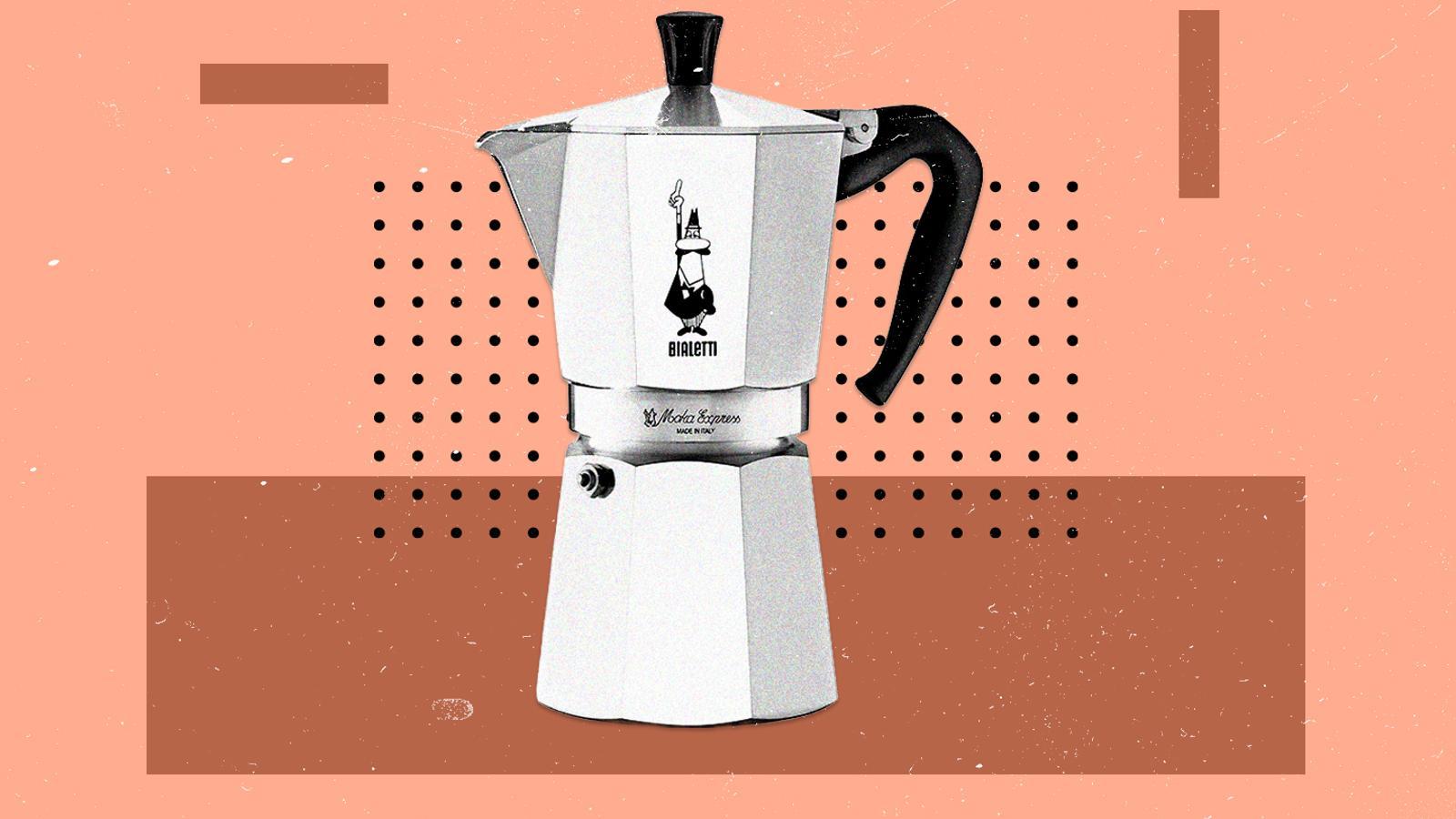
The scene they encountered when they arrived speaks for itself about who the deceased was. In front of the altar was a huge 24-cup Moka Bialetti coffee maker. Inside, the ashes of Renato Bialetti were resting. Born in 1923 in that same village, he was the man who had turned that octagonal aluminum coffee maker into a global phenomenon. Today, Bialetti remains one of the most recognizable brands in the coffee world, with an annual turnover of around 150 million euros. But how did a small Piedmontese company turn a kitchen utensil into a global icon?
The father's invention; the son's drive
To find the answer, one must go back a generation. Alfonso Bialetti was born in Montebuglio in 1888, but he left for France at a very young age, where he worked as a foundryman and learned the techniques for shaping aluminum. In 1918, he returned to Piedmont and, a year later, opened a small workshop in neighboring Crusinallo dedicated to manufacturing pieces with this material. It was there that, in the early thirties, he began to toy with the idea of a metal utensil that would allow for preparing coffee at home. In 1933, from that intuition, the Moka Express was born, the famous octagonal three-piece aluminum coffee maker.
Until after the Second World War, production was quite artisanal and hovered around 70,000 units per year. The big leap came in 1946, when his son, Renato Bialetti, returned from a German prisoner-of-war camp and took the reins of the business. He focused his efforts on industrializing production and betting heavily on advertising. In the fifties, the omino con i baffi also arrived, the little man with a mustache created by the cartoonist Paul Campani based on the features of Renato himself. The character appeared in the Carosello television campaigns and became the brand's logo. Sales skyrocketed: Bialetti went from manufacturing tens of thousands of coffee makers to exceeding one million units per year.
From Italian symbol to Chinese capital
Over the years, however, the family gradually lost control of the company. In 1993, Rondine, owned by businessman Francesco Ranzoni, bought Bialetti, and five years later both companies merged. The new Bialetti Industrie expanded the business beyond the coffee maker that had made it famous: it opened its own stores, entered the espresso machine and capsule market, launched the Moka for induction hobs, and even began selling its own coffee. In 2007, it went public. All this in a market that was beginning to change significantly and where capsule coffee makers were gaining ground.
Although in 2024 Bialetti had a turnover of 149.5 million euros, 5.9% more than the previous year, it was carrying losses and a heavy burden of debt. In April 2025, the Chinese fund Nuo Capital, controlled by the Pao Cheng family, acquired a majority stake in Bialetti.
