A Europe lagging with late payments

-
CAT -
CAST
BarcelonaSMEs and self-employed workers woke up worried this week: the European Commission has deleted from its legislative plans for 2027 the regulation against late payments, a legal instrument considered essential for the more than 34 million European companies of these dimensions and key to the European strategy for SMEs. The Multisectoral Platform against Late Payment (PMcM), chaired by Antoni Cañete, who is also president of Pimec, has denounced the Community executive's permeability to pressure from large company lobbies. And also that of a group of fourteen countries, led by Germany, that demanded by letter to Brussels that it forget this initiative.
The argument? The bureaucratic burdens and other costs that the rule would entail. But the platform warns that the real bureaucracy is that which millions of European SMEs endure every day to manage to get paid. It is estimated that European SMEs spend ten hours a week claiming late payments, with the corresponding financial costs.
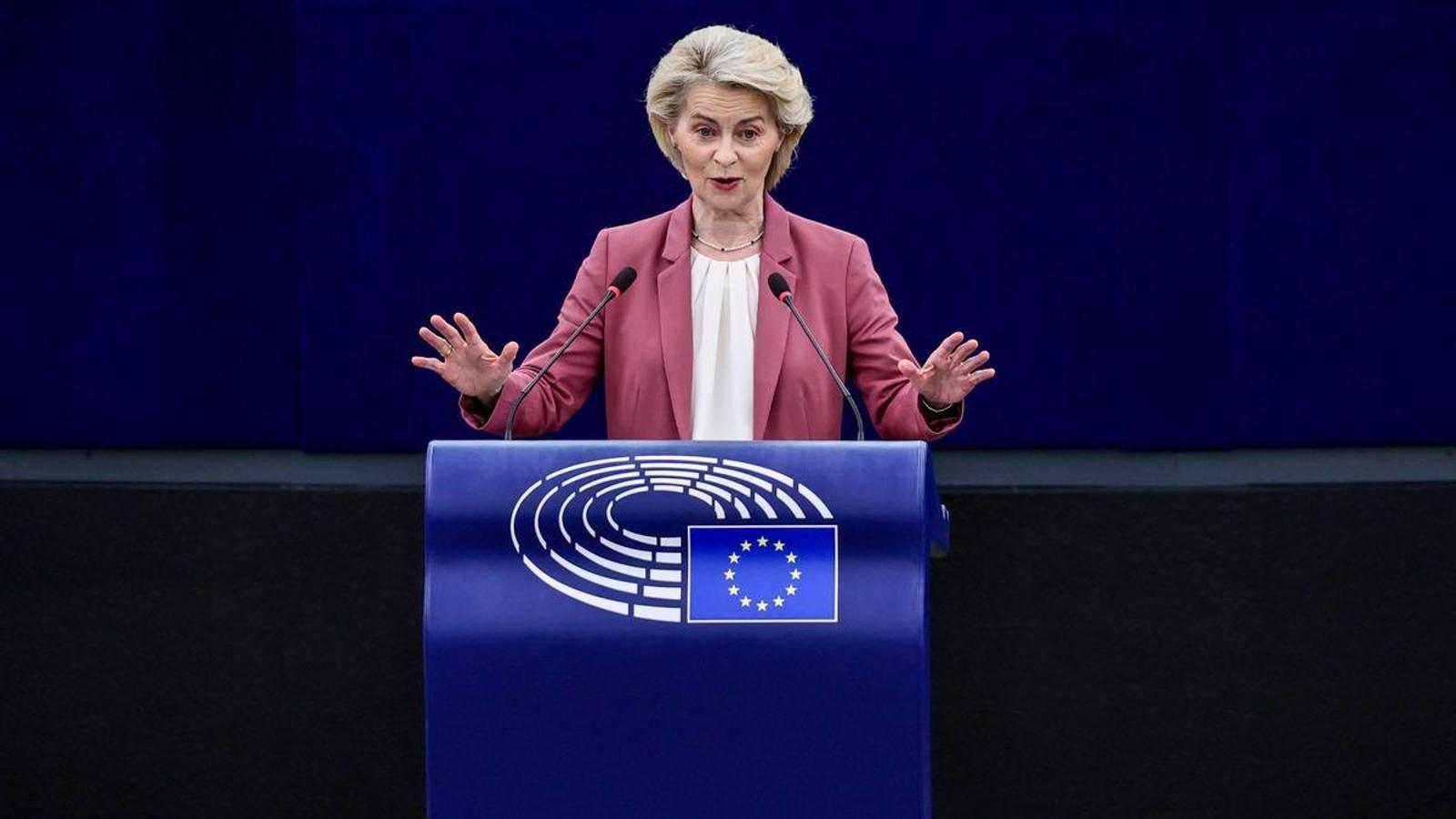
It is truly a step (or more than one) backwards, taking into account that the President of the European Commission herself, Ursula von der Leyen, warned in her 2022 State of the European Union (EU) speech that the regulations needed to be reviewed because “it is simply not fair that one in four bankruptcies is due to unpaid invoices”. And last year she also promised regulations so that SMEs could get paid quickly. But times have changed. The Commission that emerged from the 2024 European elections, leaning to the right, has chosen to make the 2024 European Parliament regulation proposal a dead letter, kept in a drawer, due to pressure from large German companies and other countries.
All of this contradicts the recommendations of the Letta and Draghi reports, which gathered recipes to increase European autonomy and competitiveness. And among these was the need to move towards greater regulatory harmonization. And one of the ways is through regulations instead of directives, a formula to guarantee common rules of the game and avoid regulatory fragmentation between member states. But the Commission seems to have opted to be delinquent in the fight against late payment, which financially suffocates small and medium-sized entrepreneurs, and to favor the maintenance of the advantages that benefit the largest ones.
