Illa confirms that the body found in the sea of Sitges is that of the minor who went missing in Granollers
The boy, with autism, disappeared on the 4th at dawn, scared by the downpours
BarcelonaThe Mossos d'Esquadra are investigating the discovery of a body floating in the sea, between Sitges and Castelldefels, near Port Ginesta. Sources consulted by ARA indicate that the corpse, which is in an advanced state of decomposition, is wearing clothing that would match that of Rami, the 12-year-old boy with autism who went missing in Granollers during the heavy rains.
Although the Mossos emphasize that they still do not have evidence of scientific confirmation, the President of the Generalitat, Salvador Illa, has confirmed that it is the minor and has sent a message of condolence to his family and friends.
According to the ACN, the body was located yesterday afternoon by a local fisherman who alerted 112. The corpse has been transferred to the Institute of Legal Medicine of Bellvitge, where fingerprinting is planned to try to determine its identity. If this is not possible, a DNA analysis will then be performed to compare the results with samples from possible relatives.
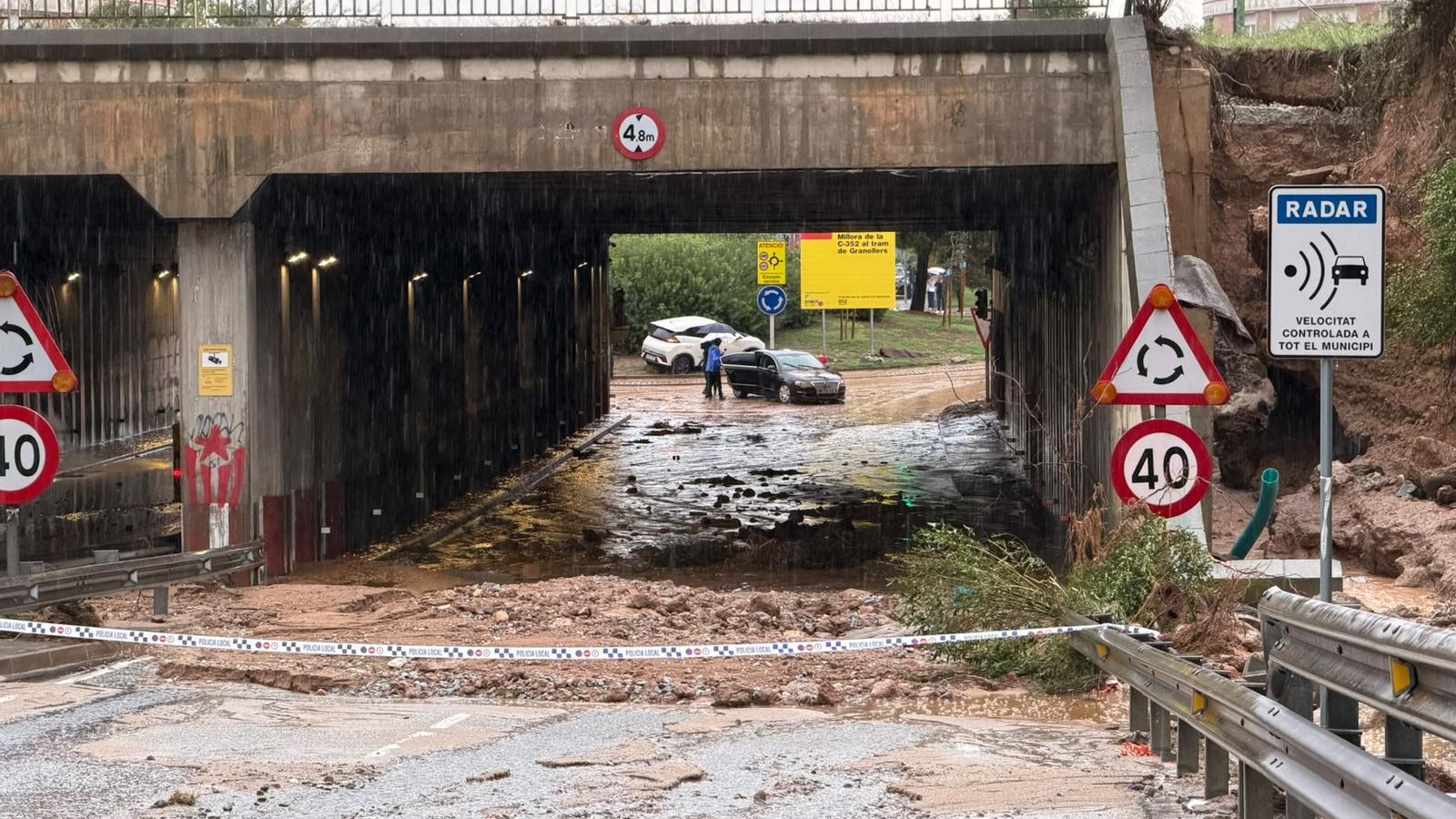
The finding comes eleven days after the heavy rains that affected different parts of Catalonia and coincided with the disappearance of two people. One of the missing persons is a man who fell into a stream in Pineda, whose rescue was suspended a few days ago. The other missing person is Rami, 12 years old and with autism, who disappeared at dawn, probably frightened by the intensity of the downpours. It was not the first time the boy had gotten lost, but he had always been found a few hours later. During the days following the minor's disappearance, a large search operation was deployed along the Besòs riverbed and in the Vallès Oriental, with the participation of emergency personnel and volunteers. Subsequently, the search was extended to different points of the Catalan coast.
As the ACN has pointed out, investigators are working with the possibility that sea currents could have moved the body from another point along the coast to the area where the fisherman found it.
