The lessons of Eumaeus
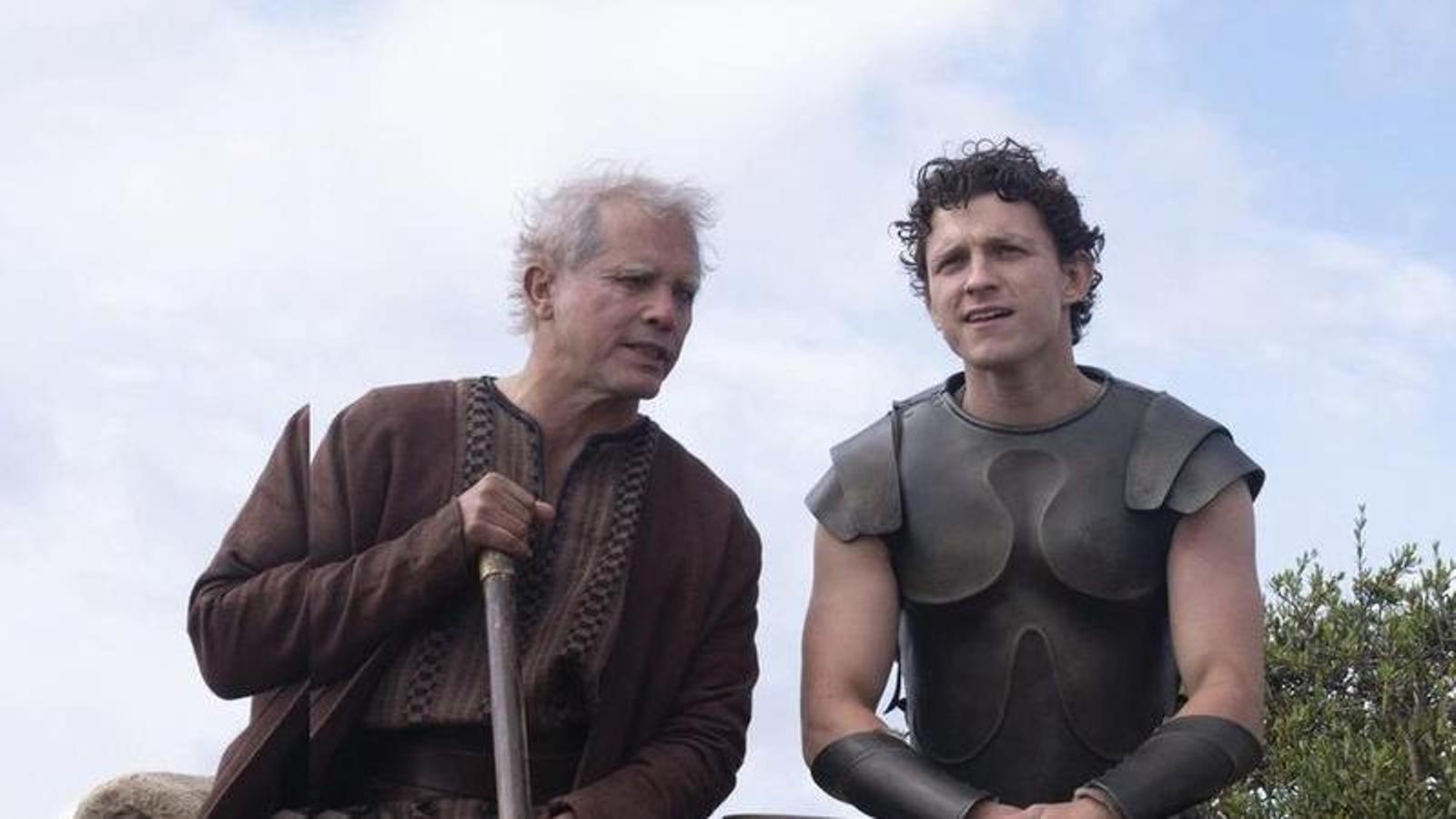

Within Homer's Odyssey, one of the most beautiful characters – allow me to put it that way— is Eumaeus, or Eumeos, depending on the different versions (it is fascinating work, which obviously does not belong here, the comparative reading between the magnificent Catalan translations of the Homeric poem: that of Carles Riba, that of Joan Francesc Mira, and the recent one by Pau Sabaté, which do not confront each other, but rather add to and complement each other). Eumaeus is the swineherd of Ulysses or Odysseus, to whom he has remained loyal during his twenty-year absence. Along with Penelope and Telemachus, Eumaeus is the only one who still believes that Ulysses will one day return to Ithaca. He is the first to recognize him, but first he welcomes him into his home, convinced that he is a poor old man wandering without a home, without direction, and without identity. Eumaeus barely asks him questions; he sees someone in need and shares what he has with him: shelter, food, and a place to spend the night under cover. It seems little, but it is a lot: it is human dignity. In one of the most memorable passages of the Odyssey, Eumaeus converses with his guest and informs him of the misfortune of Ithaca and the difficult situation in which Penelope finds herself, cornered by a multitude of greedy, cunning, and parasitic suitors. He also tells him his own story: Eumaeus himself was of royal blood, son of Ctesius, king of the island of Syros. However, a slave girl handed Eumaeus over, when he was still an infant, to some pirates, who sold him as a slave to Laertes, Ulysses' father. Since then he has been the palace swineherd (the "divine swineherd," in one of the Homeric epithets associated with him), and his lofty origin serves as a reflection of Ulysses' own destiny, who left for the Trojan War as a king and warrior and returns to Ithaca, twenty years later, as an old beggar, dispossessed and uprooted, whom everyone presumes dead. Everyone except those who still love him. Eumaeus's intervention is one of the most delicate parts of the Odyssey. If you want to see a good film adaptation (without judging Christopher Nolan's, which I haven't seen yet), the 2024 film The return, directed by Uberto Pasolini and starring Ralph Fiennes, Juliette Binoche, and Claudio Santamaria as Ulysses, Penelope, and Eumaeus, respectively, is well worth it.

Eumeu teaches us that remaining firm in one's convictions, also in love for one's country, necessarily involves welcoming and showing generosity and respect for those who arrive, especially if they arrive with nothing. That respect and consideration should never be denied to anyone, and even less to a poor person. It is the lesson of the gift of hospitality, the law of hospitality that the cyclops Polyphemus degrades and turns into criminal and sinister behavior (“because you are my guest, I will devour you last”) but which Eumeu honors and ennobles, sharing his poverty with a helpless person who turns out to be the legitimate king of that punished land. The Odyssey is one of the foundational narratives of European civilization, and Europeans — Catalans, Mallorcans — should always keep its valuable teachings in mind.

