Accessibility as a premise of any architectural project
aia-bcn understands accessibility as an intrinsic part of architecture, and places it at the same level as sustainability, structure, installations, functionality or aesthetics.
-
CAT -
CAST
Since its establishment, over 30 years ago, the architecture firm aia-bcn has maintained that architecture and accessibility form an inseparable pairing, a statement of intent that begins with its name and continues in all of its projects, regardless of their size. The team led by architects Xavier Garcia-Milà, Marta Cardona, and Carla Habif Hassid starts from the idea that “good architecture is accessible because architecture must be designed for the use and comfort of every person, and ensure real equality of conditions.” For this reason, they pay special attention to the accessibility chain, which refers to all the scenarios that a person travels through in their daily life, from the moment they wake up until they arrive at work, the restaurant, or the theater, passing through public roads or transport, and, once there, being able to move with full autonomy through the space. They emphasize that “accessibility cannot be addressed in isolation because it is not enough to be able to enter a space: one must be able to orient oneself, circulate, understand information, participate in activities, and use services with autonomy, safety, comfort, and dignity.”
Beyond a regulatory issue
Accessibility benefits everyone, regardless of their age and/or physical, sensory, or cognitive condition. The three partners note that “if to overcome a slope there is a large ramp, beautiful and well-lit, people will take the ramp; they will not take the steps next to it”. Fortunately, awareness towards this universal design is growing and there are more and more buildings, public elements, and facilities that are conceived in an accessible key.
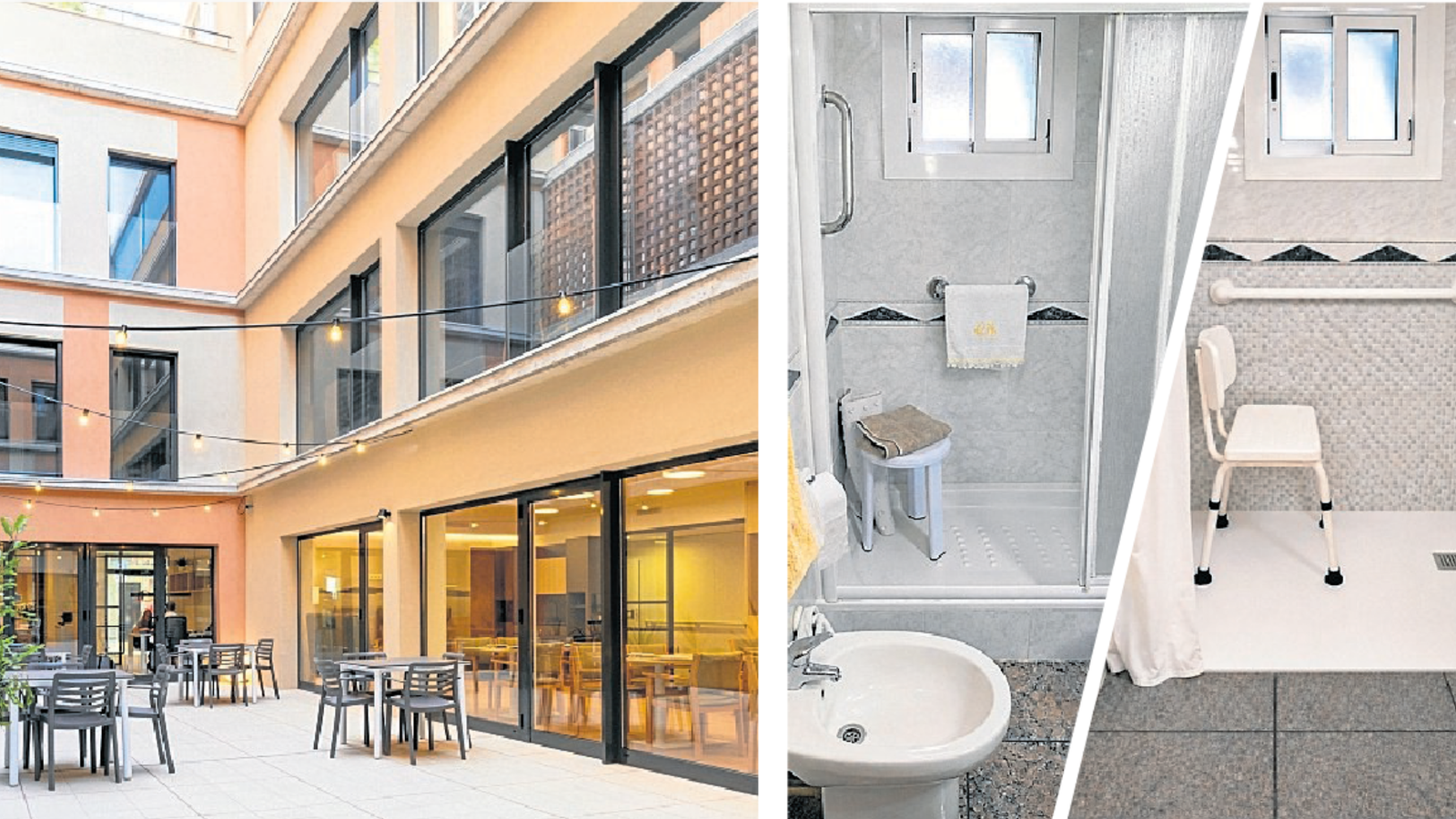
In this sense, architects differentiate between two complementary ways of working: universal design, which translates into "thinking about spaces from the beginning so that they can satisfy the needs of the greatest number of people possible and where current regulations prevail", and individualized functional adaptation, which is applied when the specific needs of a person or a specific group are known –such as a home or a residence for the elderly–, "in which we can go beyond general standards and seek solutions adjusted to their situation and preferences".
Accessibility plans as a roadmap
When the intervention affects an entire environment or municipality, the new accessibility code prevails, in force since March 2024 and which aia-bcn considers “an opportunity to incorporate this accessibility in a comprehensive and transversal way and to advance in the improvement of existing environments”. The current Catalan regulation, which requires municipalities to have accessibility plans and existing buildings to achieve certain conditions according to their uses and circumstances, constitutes a roadmap to identify barriers and propose improvement solutions, a tool that aia-bcn also offers through its consulting service.
