Low hours for the hard media right of the United Kingdom

-
CAT -
CAST
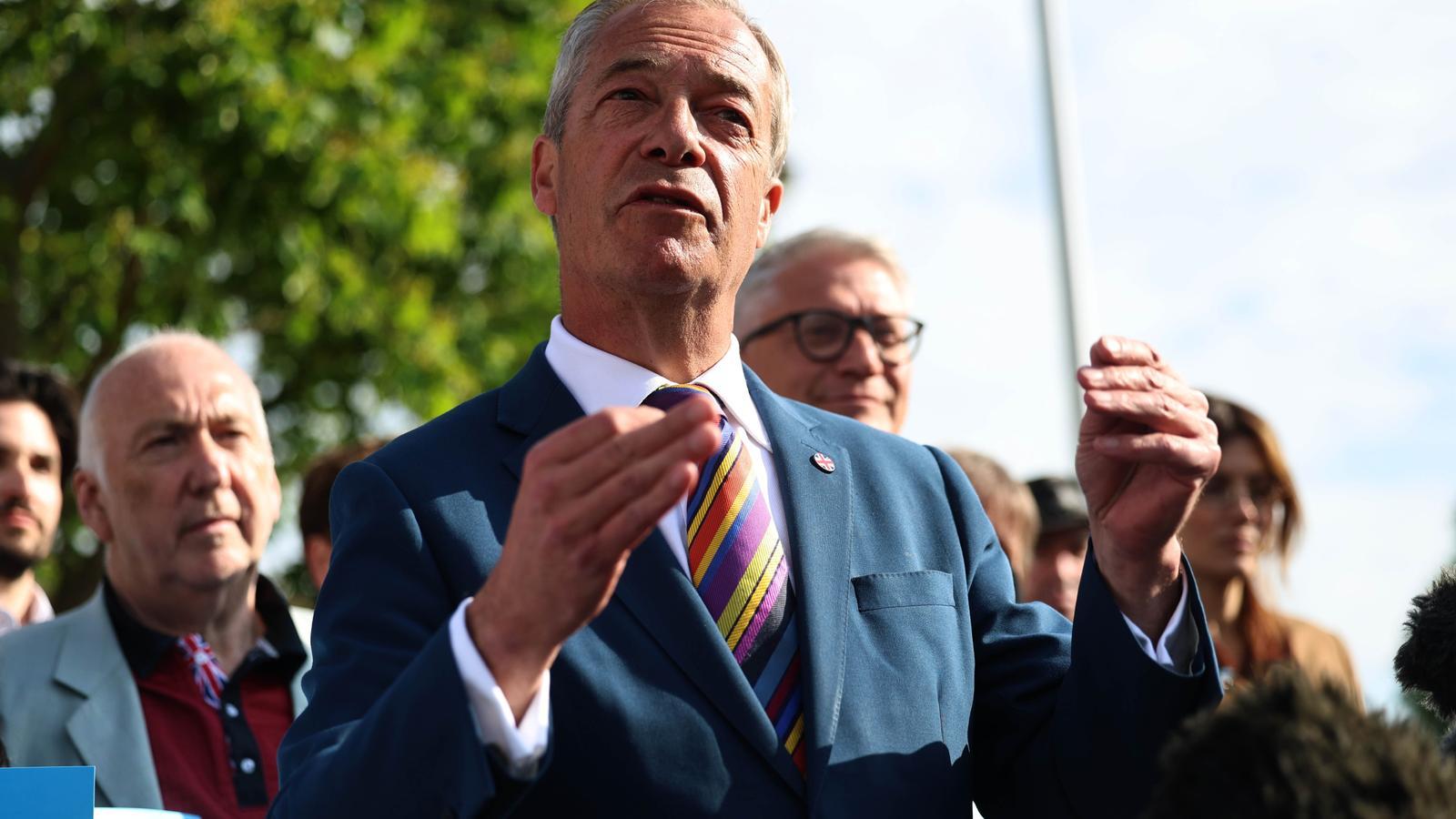
In recent times, various news stories have been accumulating that suggest a recentering of the British media. The trend was started by the conservative The Sun in the 2024 elections, when it gave explicit editorial support to the Labour Party's Keir Starmer over the Tories. It hadn't happened since 2005 and was interpreted as a turn towards slightly more moderate positions now that Lachlan Murdoch has taken the reins of his father's publishing empire. More recently, the Telegraph has changed hands and been acquired by the German group Axel Springer, which is also ideologically reorienting it. They want it to remain a conservative figurehead and try their luck at turning it into a global newspaper competing with the Wall Street Journal and, to achieve this, they have trimmed some of the more far-right leaning voices it contained. The most obvious example is Nigel Farage, who has seen his contract terminated, although his camp claims it was he who left, given the drift he observes in the newspaper, where other more extreme figures have lost their platform.
This leaves GB News as the great totem of the most backward thinking in the country. There is an offensive by regulators to curb its highly toxic line, but in the meantime, the channel defends itself well and, among its viewers, has a higher level of credibility than the BBC. That is to say, they have managed to make a media outlet that is criticizable from many sides, but serious and with reasonable general standards, be viewed with more distrust than themselves, despite their crude and abundant manipulations or their climate denialism. The country's drift in recent years, from Brexit to the waves of racist attacks, is largely explained by the media system that fueled this polarization. Perhaps we are witnessing the beginning of the pendulum's change of trajectory in the United Kingdom. Perhaps, perhaps, perhaps.
