Airplanes, attacks and victims
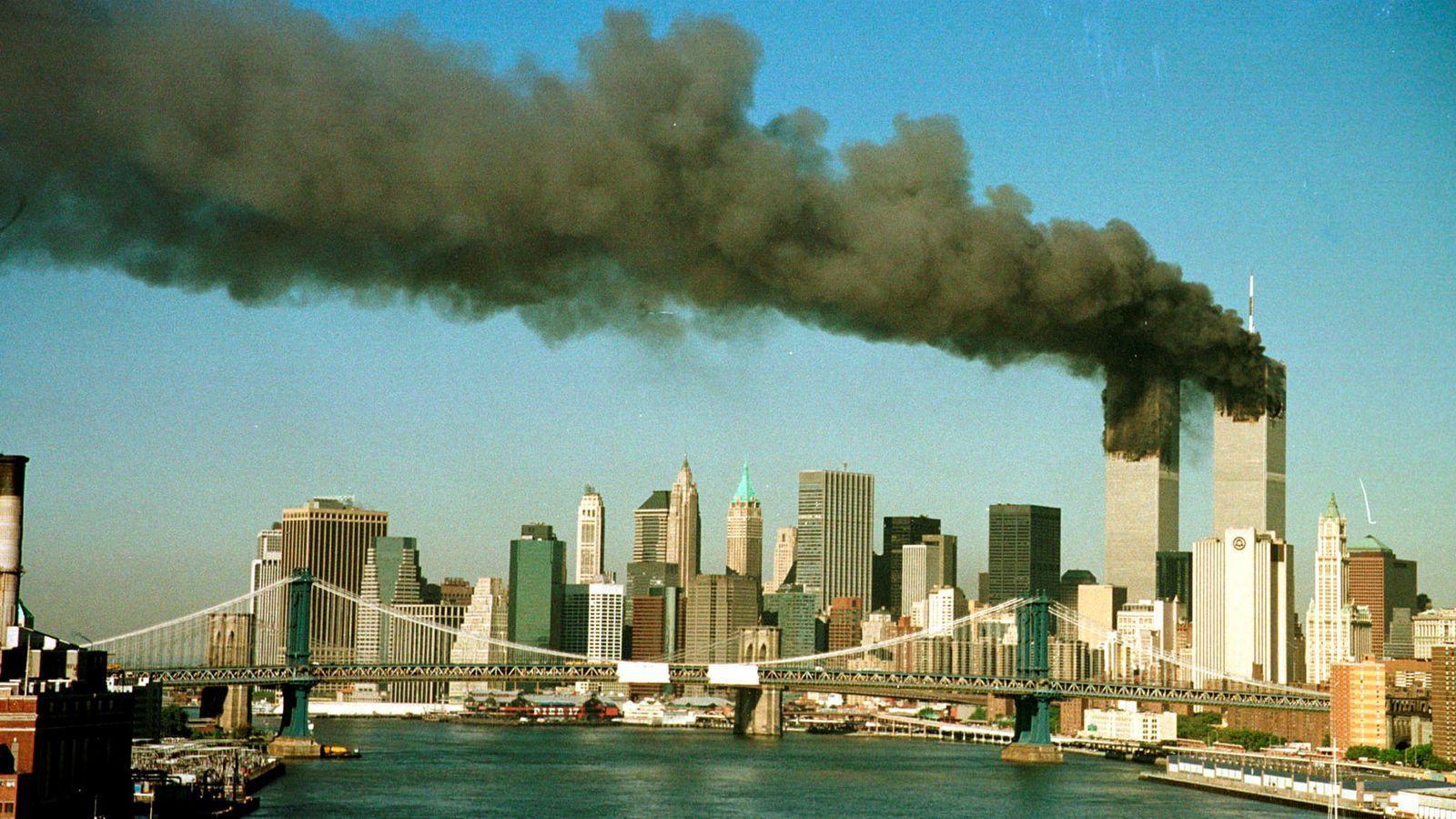

The 25th anniversary of the 9/11 attacks has generated premieres on platforms to commemorate, above all, the victims. There are affected and tearful tributes, such as the one proposed by Netflix with Turning Point: 9/11 and the War on Terror, a production that tries too hard to argue that a transformative social legacy remains from that tragedy. They are interviews with young people who were children on the day of the catastrophe and also survivors and relatives of victims who explain how their lives changed. A dispensable option for being forced and sensationalist.The Disney+ platform has released a three-episode series from National Geographic. Each 9/11 anniversary, this label seeks an alternative approach to the attacks. 9/11: One Day in America retells the experiences of the Twin Towers and Pentagon survivors in a very emotional way. It encourages the reunion between rescuers and the rescued amidst the chaos and panic. Each episode collects several unheard-of stories, those that make one shudder but have a, at the very least, moderately happy ending. Each witness separately explains the hours leading up to the catastrophe, remembering what seemed like it would be a normal workday until the planes crashed into the building where they worked. The stories will intersect in the midst of the desperation. There are incredible ones, where you notice how the most insignificant detail becomes a providential fact for the resolution of the drama, such as a window cleaner entering the elevator of one of the towers at the last minute. The reunion after twenty-five years brings a bit of comfort to the harshness of the tale. The insistence of the music, which tries too hard to underline an emotion that does not need embellishments, is unnecessary. It is very likely that you will need a few tissues before finishing each episode. In the documentary, a psychological emotional response that runs through all the productions commemorating the tragedy appears repeatedly: survivor's guilt. An irrational reaction that the protagonists often mention as an aspect that has hindered their ability to recover. Despite this, 9/11: One Day in America has the ability to speak to us about the possibility of rising from trauma through real examples. In the productions, terms like jihadism, Bin Laden, Mohamed Atta or similar are never mentioned, so the trigger for it all is deliberately erased.If you are still in the mood for more air disasters, Netflix has released this summer the British miniseries based on true events Lockerbie. An excellent recreation of the 1988 terrorist attack that blew up a plane flying from London to New York and crashed over the town of Lockerbie. A key precedent for understanding some aspects of the management of 9/11. The rigorous reconstruction of the investigation, the clarity with which the events are exposed, and the actors' performances make the series an addictive option that, furthermore, manages to provide a humanistic reading of great tragedies in a very pertinent way.
