The USA proposes sanctions on Spanish ships due to the arms blockade on Israel
Washington proposes taxes of 200,000 dollars for each ship that docks at the country's ports

-
CAT -
CAST
WashingtonThe Federal Maritime Commission (FMC) of the United States proposed this Wednesday that a series of sanctions be applied against Spanish vessels as punishment for Madrid's blockade on arms shipments to Israel. In its stance against the genocide in Gaza, Pedro Sánchez's executive denied in 2024 the use of its ports to transport weaponry to Tel Aviv.
In its statement, the FMC says that "Spain has created unfavorable maritime conditions for U.S.-flagged vessels" and, consequently, proposes that the Donald Trump administration apply "corrective measures," which include charging a "fee of $200,000 for each Spanish vessel and imposing certain restrictions on imports of Spanish products to the U.S." The FMC is an independent federal agency, meaning it is not under any of the major ministerial branches such as the Department of the Treasury or the Department of State.
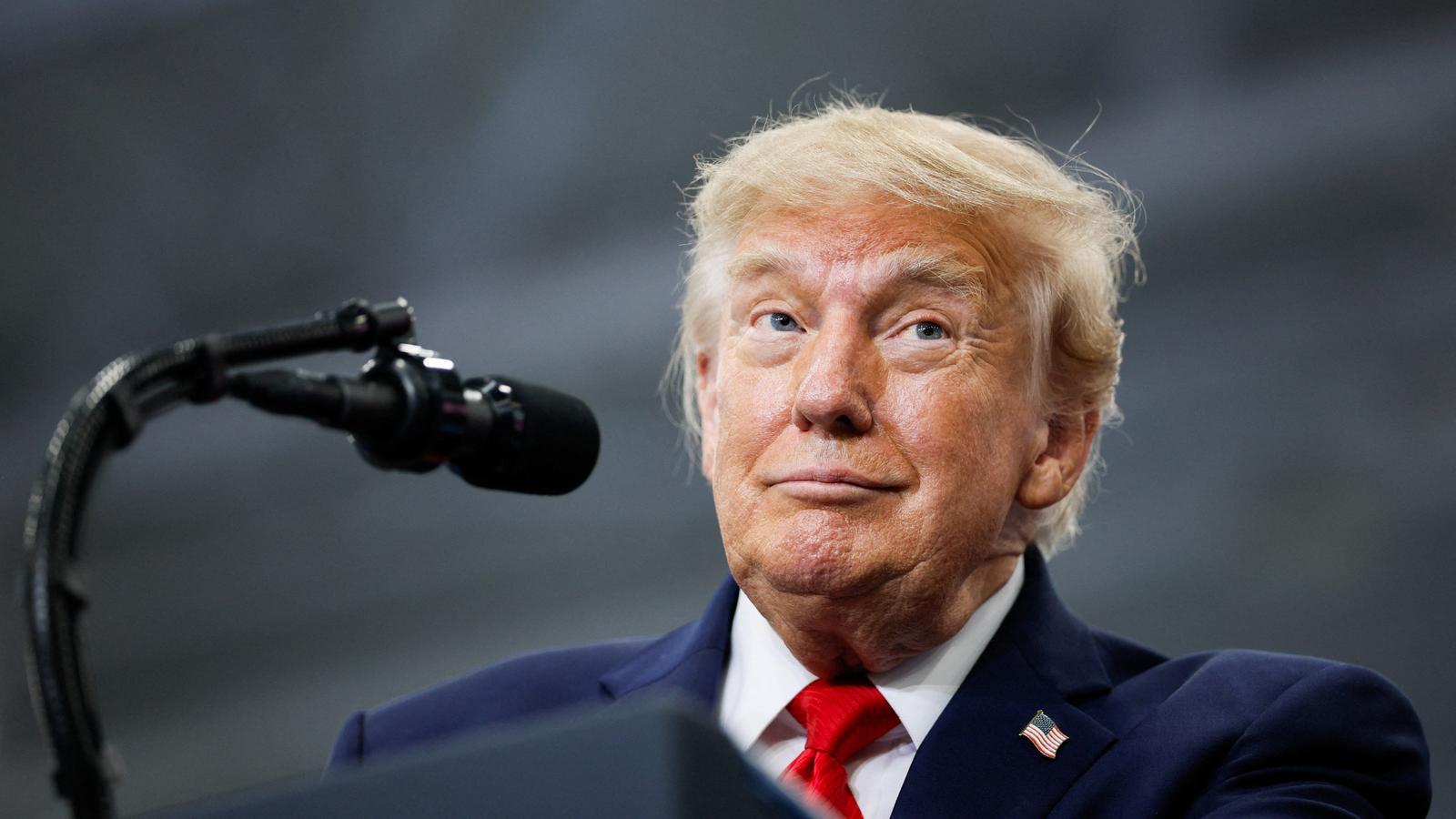
In the 23-page document, the FMC explains how, since Spain began preventing port calls in 2024 to provide military aid to Israel, the agency initiated an investigation into whether this negatively impacted Washington's interests. In its text, the FMC also cites as legitimate reasons for instituting these punitive measures the fact that "Spain has damaged bilateral trade and the defensive effects of NATO" with this action. An argument similar to the claims made by U.S. President Donald Trump, who has always threatened to impose punitive tariffs on Madrid for not complying with the 5% of GDP for defense.
The tycoon has never been able to apply these sanctions because Spain is part of the European Union bloc. However, it remains to be seen if this logic also applies to the fees proposed by the FMC for Spanish vessels. The document is only advisory and, in any case, the decision to restrict imports or apply sanctions depends on the Department of the Treasury.
Awaiting the EU's reaction
The Moncloa is already analyzing the conclusions of the FMC report and the possible implications of the proposed measures, according to sources from the Spanish executive. Madrid emphasizes that "Spain will defend its interests and those of its companies, in coordination with the European Commission and the member states".
The publication of the report arrives at a quite different moment than when they received the previous trade threats from Trump. After the migration crisis in Ceuta, the EU made its internal cracks and divisions palpable after Giorgia Meloni's Italy decided to apply border controls on Spanish travelers, despite the fact that all are part of the Schengen area. The decision of the far-right prime minister was more of a political move than an effective one: Meloni justified this decision as a reaction to the border crisis in Ceuta, even though the autonomous city is not included within the Schengen area.
The reaction of Meloni and other European countries that turned their backs on Madrid at a time that required a show of unity from the EU showed a crack through which Washington could continue to probe in order to weaken the European bloc. The FMC report, in fact, may be an initial attempt to see how Europe will breathe again. Furthermore, it arrives at an especially critical moment for Sánchez, on the eve of the early general elections.
