The Houthis of Yemen announce a maritime blockade against Saudi Arabia
The closure of the Bab el-Mandeb Strait would halt Saudi oil exports to Asia
-
CAT -
CAST
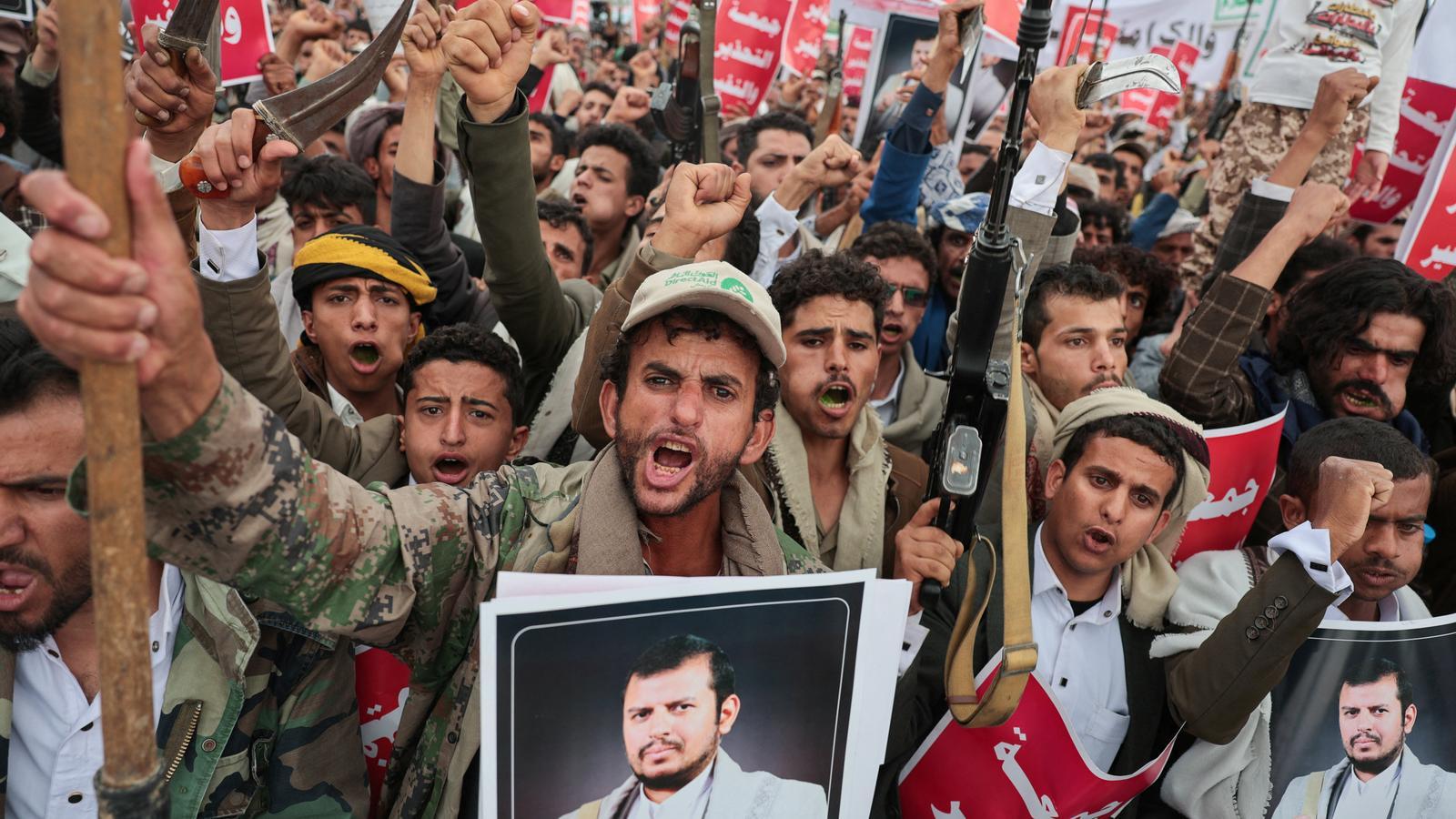
BarcelonaThe Houthi movement in Yemen announced on Monday a naval blockade against Saudi Arabia, expanding the war in the Middle East and adding instability to global hydrocarbon trade. The Iran-linked armed group stated in a communiqué that it declares "a maritime embargo against the criminal Saudi enemy, based on the eye-for-an-eye equation, with immediate effect," in response to what it described as an "unjust and oppressive siege" imposed by Riyadh on Houthi-controlled areas of Yemen.
The complete closure of the Bab el-Mandeb Strait, the southern gateway to the Red Sea, would halt Saudi oil exports to Asia and could reduce global oil supply by 7%, according to Reuters. This impact would be added to that already caused by the war between Iran and the United States, with the blockade of the Strait of Hormuz, which could further drive up hydrocarbon prices.
The Bab el-Mandeb Strait is a waterway located between Yemen and Djibouti and Eritrea that connects the Red Sea with the Gulf of Aden and the Arabian Sea, with a width of only 29 kilometers at its narrowest point. It is the gateway to the shortest route between Europe and Asia, making it one of the most important maritime corridors in the world and allowing vessels to access the Suez Canal. In 2023, when the war between Israel and Hamas began in the Gaza Strip, the Houthis already blocked this passage and attacked ships passing through the strait with drones and missiles. The direct consequence was the temporary interruption of transit through this vital corridor and shipping companies were forced to reroute around the southern tip of Africa.

- If you want to see the map in more detail, open the high-resolution version in another tab.
The Houthis fired missiles last week against Saudi Arabia, after accusing Riyadh of having bombed the airport of Sanaa, the capital of Yemen, under the control of the pro-Iranian militia. The regular army of Yemen attacked the airport to prevent the landing of an Iranian plane carrying a delegation of Houthis from Tehran, but the rebels attributed the bombing to Saudi Arabia.
The Houthis also accuse Riyadh of tightening the air blockade and limiting imports by sea through the port of Hodeida, a crucial entry point for humanitarian aid to the areas controlled by the rebel group. For its part, the internationally recognized Yemeni government –mainly supported by Saudi Arabia, which has been intervening in the country since 2015– denounces that the Houthis use the port and the airport to receive weapons, especially from Iran.
The Houthi military spokesman, Yahya Saree, said this Monday that the continued blockade of Sanaa airport "is unacceptable" and has promised to respond to the blockade "with a blockade and with all escalation with escalation". In addition, he has made "a general call to arms" and to prepare "for all scenarios".
The president of the Yemeni Parliament, Sultan al-Barakani, has lamented that the Houthis "have chosen war" and has accused them of acting on behalf of Iran. He has described the naval blockade as a "suicidal step" that will put the rebels "in confrontation with the whole world".
Partial withdrawal in Lebanon
Regarding the front in Lebanon, the United States government has announced that the "pilot zones" have begun to be implemented in three towns in southern Lebanon, which would allow the withdrawal of Israeli troops and the transfer of control to the Lebanese army. The operation is part of the framework agreement signed by Israel and Lebanon on June 26 in Washington and was announced the day before the US President, Donald Trump, meets at the White House with his Lebanese counterpart, Joseph Aoun, to discuss peace negotiations with Israel.

