Iran threatened this Thursday that it will destroy "all" American "infrastructure" in the region if the United States attacks it. The warning comes after the White House threatened to destroy all of Iran's power plants and bridges next week if Tehran does not agree to sit down and negotiate. For its part, the White House has assured that Iran continues to talk with them and wants to reach an agreement. Meanwhile, the attacks have continued. Iran claims to have continued targeting US objectives in the Gulf and that its projectiles have hit Jordan, Kuwait, and Bahrain. Tehran has also accused the American attack near a children's cancer hospital of being a "war crime", and the US has attacked an airport in Iran, without causing casualties.
The agreement to bring peace to southern Lebanon clashes with the reality on the ground
Hezbollah rejects the agreement and Israel does not seem willing to withdraw from the south of the country
16/07/2026 - 20:30 h

-
CAT -
CAST
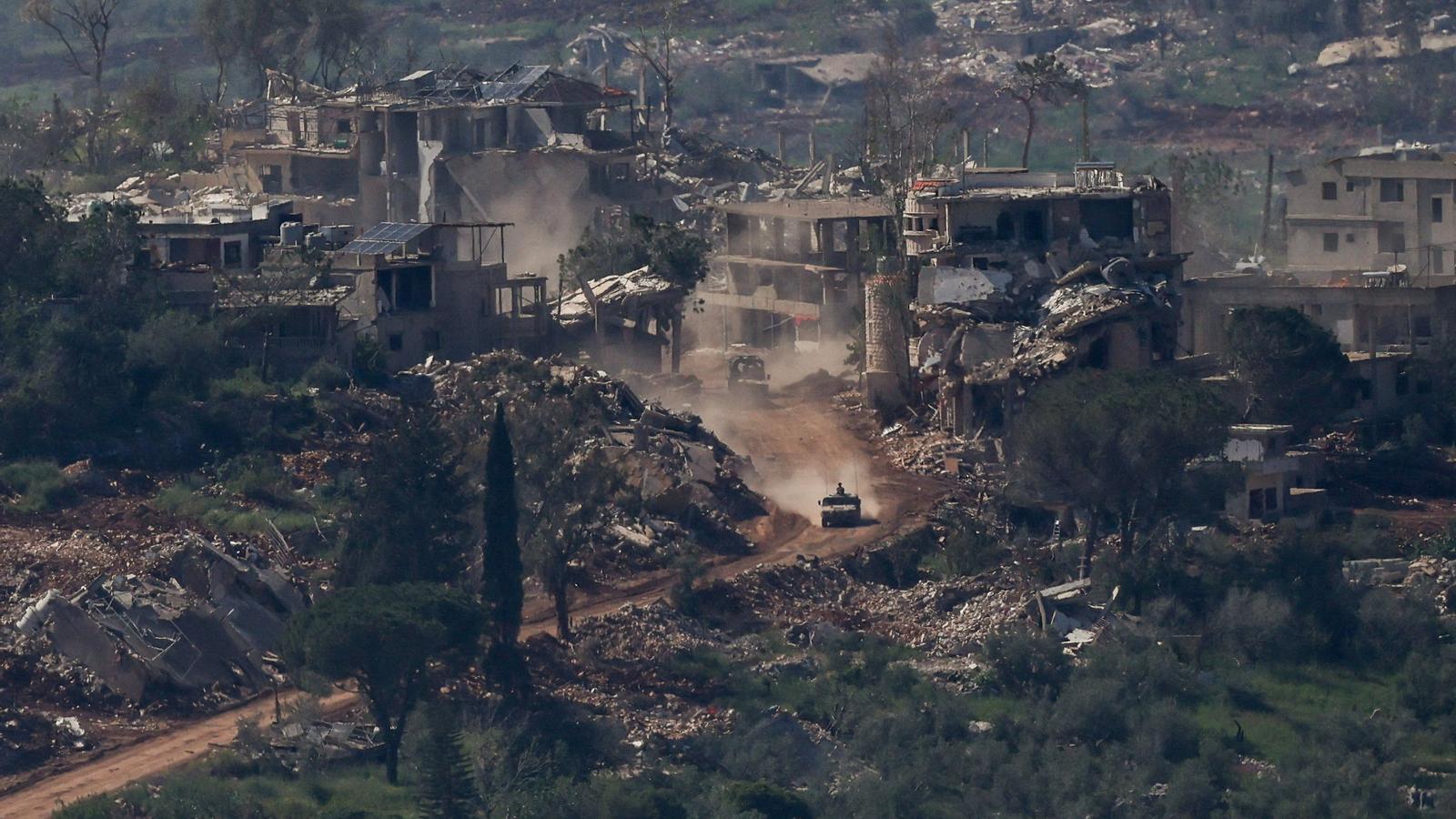
BeirutThe explosions continue to set the pace in southern Lebanon while in the negotiation rooms, attempts are being made to shape the future of the border. In Washington, they are talking about taking steps towards the first "pilot zones" foreseen in the framework agreement between Lebanon and Israel. But just a few kilometers from the demarcation line, the reality is very different: the Israeli army maintains its positions and continues operations against what it considers Hezbollah infrastructure, and the border towns are still waiting for a withdrawal for which no date has been set.
On paper there is an agreement. On the ground, almost nothing has been resolved. The latest round of talks, held this week in Rome – the sixth since direct contacts began under US mediation – allowed for progress on the technical details necessary to implement the agreement reached at the end of June. But it also highlighted the main problem: moving from political commitments to reality.
The so-called pilot zones will be the first test of the agreement. On paper, the mechanism is simple. Israel would gradually withdraw from certain areas, the Lebanese army would take control, and the end of Hezbollah's military presence would be guaranteed there. But implementation remains full of obstacles. Although there is not yet a definitive official list, Beirut is asking for a clear timetable, and Israel insists on first verifying that these areas are free of the Shiite movement's military infrastructure and defining who will oversee the process.
This difference reflects the main point of disagreement: for Lebanon, the Israeli withdrawal must pave the way for the state to take control; for Israel, the withdrawal depends, above all, on guaranteeing its security. In the midst of this is the Lebanese army. Its mission will not only be to deploy troops, but also to take control of areas where the Shiite movement has maintained a dominant military and political presence for years. The challenge will be to identify and eliminate the movement's military infrastructure without causing an internal conflict.
Beirut maintains that any action must comply with Lebanese law. Israel demands a verification system to ensure that its troops do not abandon areas that could once again become a threat. Washington seeks to intervene as a guarantor of the process. But the obstacle is not only military, but also political.
Hezbollah observes the process from the outside. The movement has not participated in the US-mediated negotiations between Beirut and Tel Aviv and rejects an agreement it considers contrary to its interests. Its leaders maintain that the future of its weapons cannot be decided without them. Deputy Hassan Fadlallah has called the agreement "unworkable," while the Lebanese government defends precisely the opposite: restoring the state's authority over the territory and strengthening the army as the only recognized military force.
While Beirut tries to move forward, Israel remains firm in its conditions. Donald Trump has asked Benjamin Netanyahu to withdraw the Israeli forces deployed in Lebanon and Syria, but Jerusalem's message is different. Defense Minister Israel Katz has insisted that Israel will remain in the so-called security zones as long as it considers there to be threats near its borders. On the ground, this stance translates into a continued military presence and new operations in towns in southern Lebanon, where explosions continue to fuel doubts about the real implementation of the agreement.
Fundamental differences between the US and Israel
The political test will arrive Tuesday in Washington, where Lebanese President Joseph Aoun is scheduled to meet with Donald Trump. The meeting comes after the definitive cancellation of Netanyahu's trip to the United States and the communication from Israel Katz to the Pentagon about Israel's intention to maintain its positions in Lebanon, Syria, and Gaza. The exchange reflects a fundamental difference between the two allies: while Trump seeks diplomatic progress in the Middle East and believes a partial withdrawal by Israel could favor this goal, Israel insists that its military presence is a security necessity and is not willing to abandon positions it considers strategic.
For Aoun, the visit will be an opportunity to measure the real extent of the US's influence over Israel. The Lebanese president is seeking a timetable for the first pilot zones, more support for the army, and guarantees that Washington will use its influence to push for an Israeli withdrawal. Reports about the establishment of new permanent Israeli military posts in the region add further complication to a process that is already moving forward amid deep differences. It has also not been decided who will oversee the process. The future of the United Nations Interim Force in Lebanon is in doubt, and new agreements involving greater US involvement and the possible participation of European countries are being considered, although Israel has reservations about the UN mission.
The framework agreement has opened a diplomatic opportunity after months of war. But the real test begins now, far from the negotiation tables. In southern Lebanon, where Israeli troops remain deployed and the Lebanese army must assume a role it has never played, the implementation of the agreement will depend on decisions that no one seems fully prepared to make.
Iran threatens to destroy US infrastructure in the region if it continues to attack
