We are running out of langoustines because we have more white shrimp than ever (and it is sold at a low price)
In spring, the boats of Palamós have managed to capture more than 200 kilos per boat and day

-
CAT -
CAST
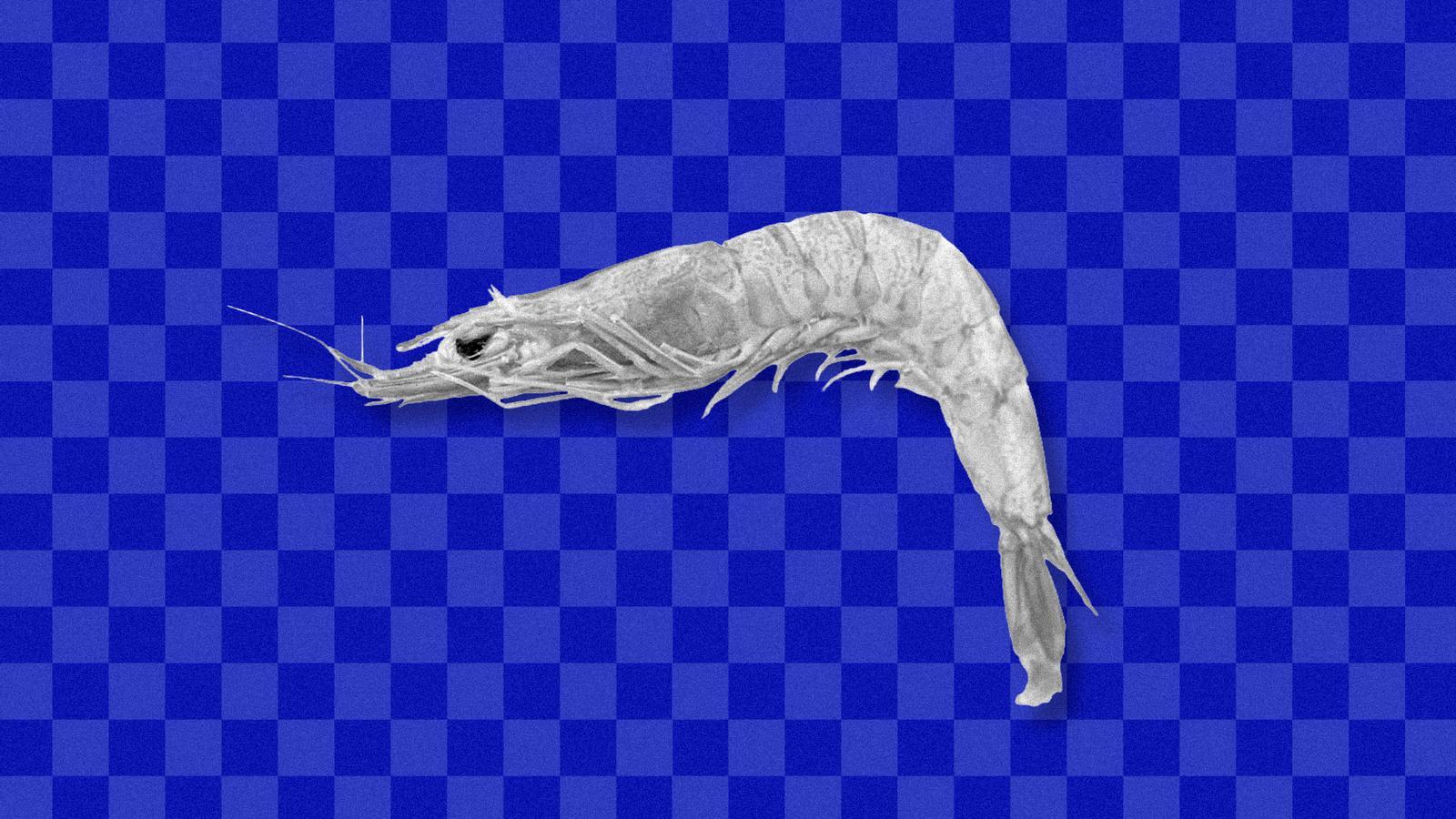
Do you know the white shrimp? It is that small one, larger than the plump one, which until about ten years ago was from the south, from Andalusia, and was prepared breaded, fried, and eaten as a tapa or as an appetizer. And how good! Well, the white shrimp is now Catalan, we can say it that way. Meridionalization, the scientific term that explains the phenomenon, has caused species from the south to move north, where they seek suitable temperatures to live and reproduce. And the fact is that in our country the white shrimp has found them. Miquel Mir, patron mayor of the fishermen's guild of the port of Palamós, assures that during the months of March and April each boat has caught 200 kilos per day this year.Marine scientist Anna Bozzano explains that white shrimp has always been traditional to Andalusia. "It used to be found in the west of the Mediterranean, near Gibraltar, and the resulting cuisine was battered and fried," and it was eaten whole. Since white shrimp needs a higher sea temperature to live, it has moved north, where it has been found. "If it's comfortable there, then it can reproduce more," and hence the large quantity caught by boats from Catalan ports. In the markets, it is a shrimp that is well-received, and in homes, it is easy to cook and eat. Furthermore, the price is usually low, so we have all the arguments to understand its good acceptance: abundance and low price.
They compete with langoustines
But it's not all roses. White shrimp have entered into direct competition with langoustines, which have begun to decline, because they live at the same depth, which is 300 or 400 meters. If two coexist, one is disadvantaged, and in this case it is the langoustine. “Since the shrimp swims, it has a larger distribution of space. It also eats more and reproduces in large quantities,” explains Anna Bozzano, who adds that langoustines take longer to lay eggs for the first time. "Shrimp take less time, at the first year of life they already lay eggs, and that's why they reproduce quickly." Curiously, white shrimp have a short lifespan, compared to langoustines, but the key factor is that the former reproduce early and, moreover, in abundance, therefore, what ends up happening is that white shrimp occupy the space that langoustines had.
Regarding the sea temperature, it should be noted that in the Mediterranean, from 80 meters to 5,000 meters, the temperature is constant, at 13 degrees. “It has been thousands of years without increasing, but in recent years it has risen, and these current 13.5 or 13.6 degrees are what are causing species changes,” explains the scientist, who adds that in reality “the increase in the temperature of the water where white shrimp live is only a few degrees, but enough for them to be comfortable there”.
To catch them, the popularly known head of the shrimp must be two centimeters. From this size they can be fished and sold. A fact: white shrimp, like all species, have predators, but their egg laying is so high, and so functional, that it also explains the reason for their abundance.
So let's welcome the white shrimp, even though it reduces the presence of our beloved langoustines. It is tasty, economical, and allows us to be creative in the kitchen: beyond breading, we can add them to omelets and in surf and turf dishes. To counteract the price increase of red shrimp this summer, we will always have white shrimp, and they will stay for a while, because the sea water temperature does not seem likely to decrease in the coming years.

