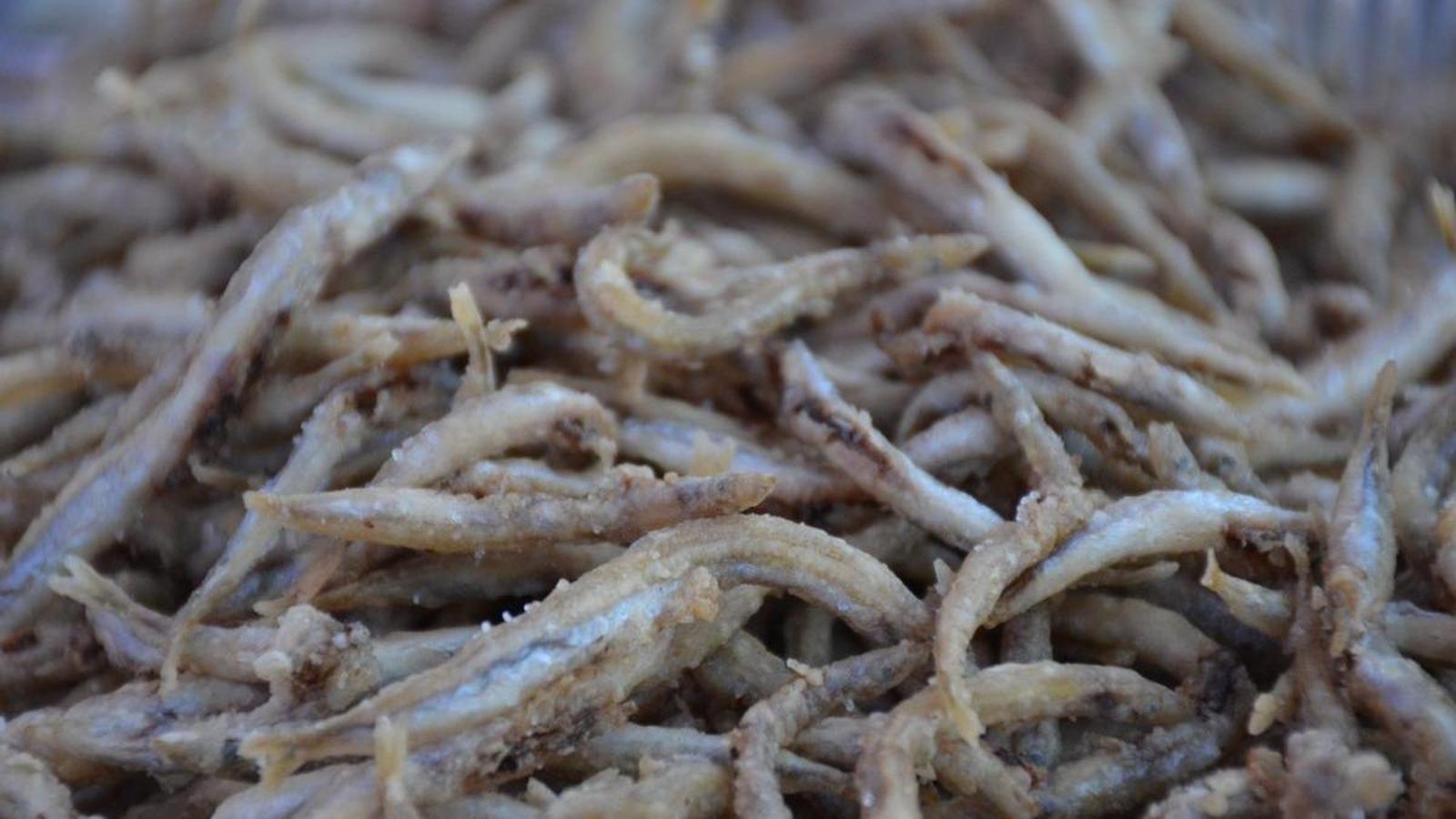
The delicious little fish from the Costa Brava that is like a "sea popcorn"
L'Estartit organizes the III Gastronomic Days of the Sonso, with different menus and dishes around this product that will be served in the town's restaurants for a month

-
CAT -
CAST
EstartitThe sonso is one of the most prized fish on the Costa Brava. Very small in size, around 10 centimeters long, it is usually served floured and fried. An excellent tapa to whet the appetite, the kind you just keep eating, present in many of the seafood restaurants and bars in Catalonia. In recent years, however, sonso catches have fallen significantly on the Catalan coast and, from the Generalitat, at the behest of the European Union, a management plan has been drawn up that regulates catch limits and long closed seasons during autumn and winter.
This year, the sonso fishing campaign began in April and, this weekend, in l'Estartit, for the third consecutive year, gastronomic days dedicated exclusively to this fish have been held. This is a campaign organized by the Nautical Station that involves the entire guild and several restaurants in the town with the aim of promoting this product and raising awareness of the fishing profession. From Friday to Sunday, hundreds of residents and visitors have filled the promenade to enjoy popular breakfasts, workshops, demonstrations, concerts, and a wide range of menus and tapas centered around the sonso, designed for all budgets, in a dozen local establishments. The participating restaurants have prepared tapas and menus specifically for the occasion, which can be ordered for a month, until June 15.
Fried, with eggs or in a small casserole
One of the highlights of the sonso festival in l'Estartit is the traditional fishermen's breakfast. One of those responsible for preparing it is chef Toni Cabrera, from the Alba restaurant, in Plaça de l'Església. On Saturday morning, from 10 am to 12 pm, he fried nearly 30 kilos of sonso and distributed them in paper cones for everyone. Afterwards, from midday, he continued working at the restaurant, where he works with his daughter Anna, serving their menu for €48. It offers fried sonso as a starter, grilled mussels, seafood rice, dessert, and Peralada wine. "For the sonso, we always have the fryer at 180 degrees and the olive oil very clean. We flour them with rice flour, nothing else, and before frying them, we place them well separated so they stay loose, not piled up like fritters," comments Cabrera. The flouring only involves flour, no egg or water, it's not a batter or a tempura. "They turn out very crispy, they are like seeds or sea popcorn, you start and you can't stop," certifies the chef.
Another of the restaurants with a monkfish menu for a month is Les Corones, with great renown in the town. Theirs, at €65, begins with Andalusian-style monkfish, followed by more shellfish starters, grilled fish, and dessert. Regarding the monkfish, chef Pere Miquel Carreras explains: "We make it with wheat flour, although we also have the option for celiacs with chickpea and corn flour. The most important thing is that it is very fresh. It must be dried well so that it doesn't absorb too much water and the flour sticks without forming a crust." Finally, the last restaurant with a set menu is Hotel Medes II, which, for €45, offers a crispy monkfish salad with parmesan, a fish sausage, and grilled mackerel with beurre blanc, as well as wine and dessert.

Besides the menus, in different establishments in the village, sonso dishes can be ordered à la carte until June 15. In addition to the classic fried dishes, you can find quite a few variations, especially with eggs: some fried, others poached, with artichoke, truffle, or even in an open omelet in the style of Andalusian camarones Andalusia. There are also more daring proposals, such as a small casserole with clams, garlic and chili, with the sonsos cooked almost as if they were elvers.
From 400 kg to 20 kg of sonso per day
L'Estartit is one of the ports with the most tradition of sonso fishing. Of the nine boats in the fleet, three are sonseres and, often, in front of the Medes, fishermen from other guilds come specifically to look for sonsos. This species is caught in shallow waters, of little depth, near the beach, with an artisanal technique of minor art that encircles the fish. "Twenty years ago we fished 400 kilos a day for nine months a year and the fish went for one euro per kilo. Ten years ago, catches dropped to 40 or 50 kilos, the price multiplied and there are fewer and fewer catches. We are worried," explains Joan Massagué, head fisherman of L'Estartit.

Faced with this scenario, the Generalitat's management plan, which integrates politicians, scientists, fishermen, and social agents, negotiates year after year the best formula to guarantee the supply of "sonsos" and at the same time promote the recovery of the species. Right now, "sonso" boats go out, every other week, for about four months a year and catch around 20 to 30 kg per day. At the beginning of the season, the fish is smaller, in the fry stage, the size of an eel, and can fetch 50 to 60 euros per kilo. From May onwards, catches increase and the price drops by half, until summer, when "sonsos" are larger and more economical. The larger the "sonso", however, the more bitter it is, because the gut cannot be cleaned and increasingly dominates the taste.

Regarding the fishing technique, Massagué adds: "The fishermen go out in the morning, when the sun rises, and with the sonar they locate the schools on the coarse sand. When they clearly see the school, they encircle it with the net until it is inside a giant bag. It is a hybrid between a small encirclement and a bit of trawling. Then they weigh the catch and everything that exceeds the fixed amount is returned alive to the sea".
