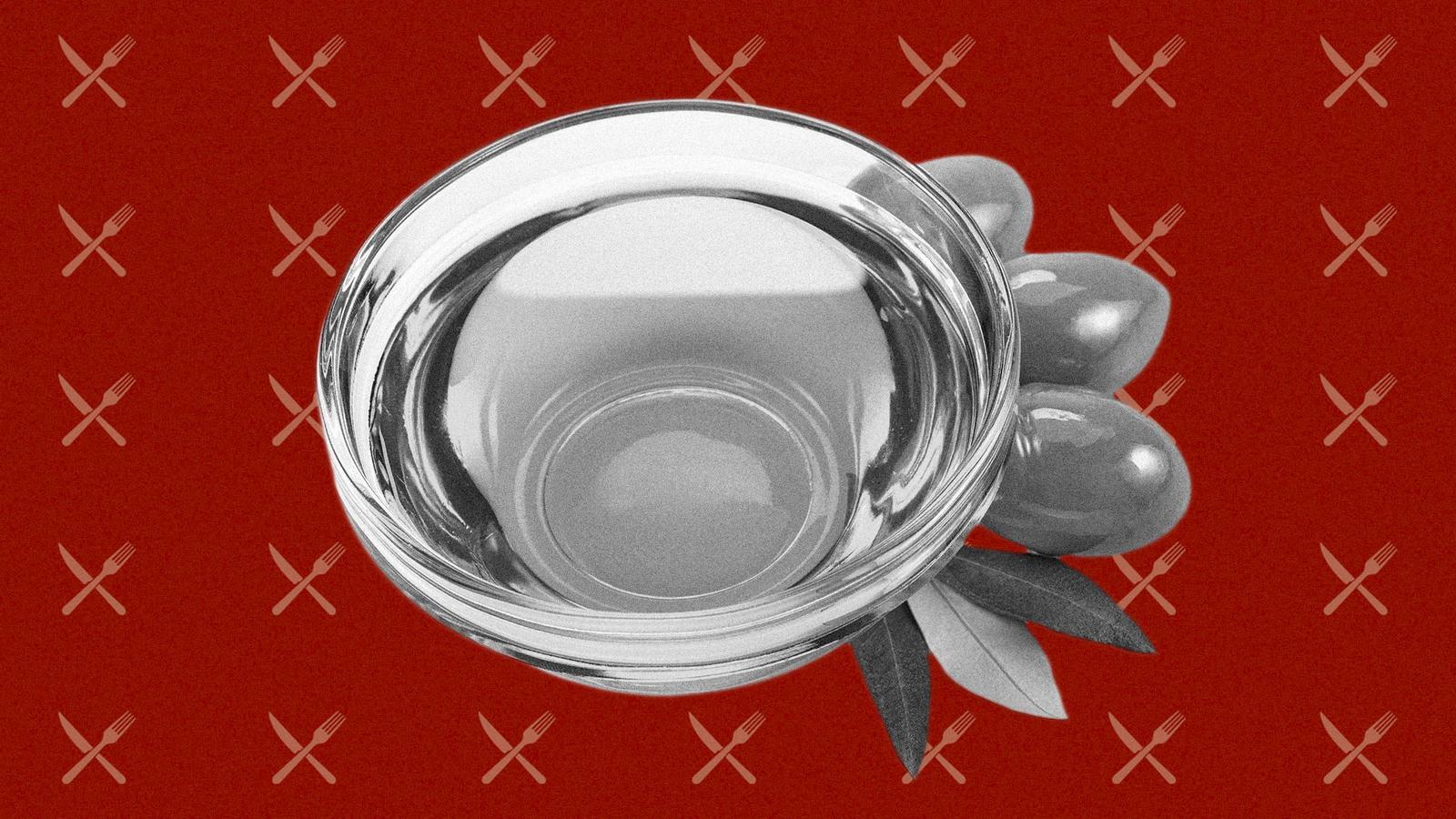
You can reuse extra virgin olive oil up to ten times if you follow these tips
When the oil smokes it is a bad sign, because it will mean that it is oxidizing, and therefore it is losing qualities

-
CAT -
CAST
Extra virgin olive oil is the liquid gold of our kitchen. We revere it, respect it, and know that it is one of the healthiest fats, and probably the most studied. When From 180 degrees, extra virgin olive oil begins to oxidize, but it is also true that it will do so more or less depending on the amount of time it is kept at this temperature, and "it will also depend on what we cook in it," states dietitian-nutritionist Anna Grífols, who adds that despite this, "extra virgin olive oil is much more stable than is often believed thanks to its high content of two components: oleic acid and natural antioxidant compounds such as polyphenols and vitamin E". A maximum of two times
To the point: we can reuse extra virgin olive oil between one and two times, "as long as we have never taken it to high temperatures, as long as it has not reached the smoke point, if it does not contain burnt residues, if it has been filtered and if it has been stored correctly after use". On the other hand, "when extra virgin olive oil darkens, when it smells rancid, when it produces a lot of smoke or when its texture changes, it is a clear sign that the quality has been lost", says Grífols, who assures that this advice is general, the one that people can follow at home. "We could reuse it ten times if we did not heat the oil beyond 180°, if we fried vegetables in it, if we completely covered the food, if we filtered it after use and if we then stored it in a suitable place". Since meeting all these requirements is difficult, the recommendation is to reuse extra virgin olive oil a maximum of two times. A note on the idea that frying vegetables in it makes it more profitable: "It is not the same to fry vegetables in extra virgin olive oil as battered or protein-rich foods, because the organic and protein residues they leave behind accelerate the degradation of the oil and, moreover, increase the production of potentially toxic compounds", states Grífols, who underlines the idea that extra virgin olive oil should not smoke: "When it burns or is used too many times, it stops being a protective food and becomes a source of oxidized compounds that do not help our health".Finally, extra virgin olive oil can be solidified (not frozen) if you need to keep it for months with the same properties as when you bought it. "Below zero degrees, we manage to solidify the saturated fats in the oil, which are 15%," says dietitian-nutritionist Anna Costa, who suggests the idea of taking an ice cube tray and adding sauces that contain extra virgin olive oil (like a pesto sauce) and then using them according to the use we want to give to our dishes. The extra virgin olive oil will have been preserved intact with all its benefits, for health and for cooking.
