Black harvest of Santa Pau bean, the “caviar of the Garrotxa”
The extreme heat of the summer has caused the worst campaign of this legume with protected designation of origin and the producers claim aid to guarantee the continuity of the crop
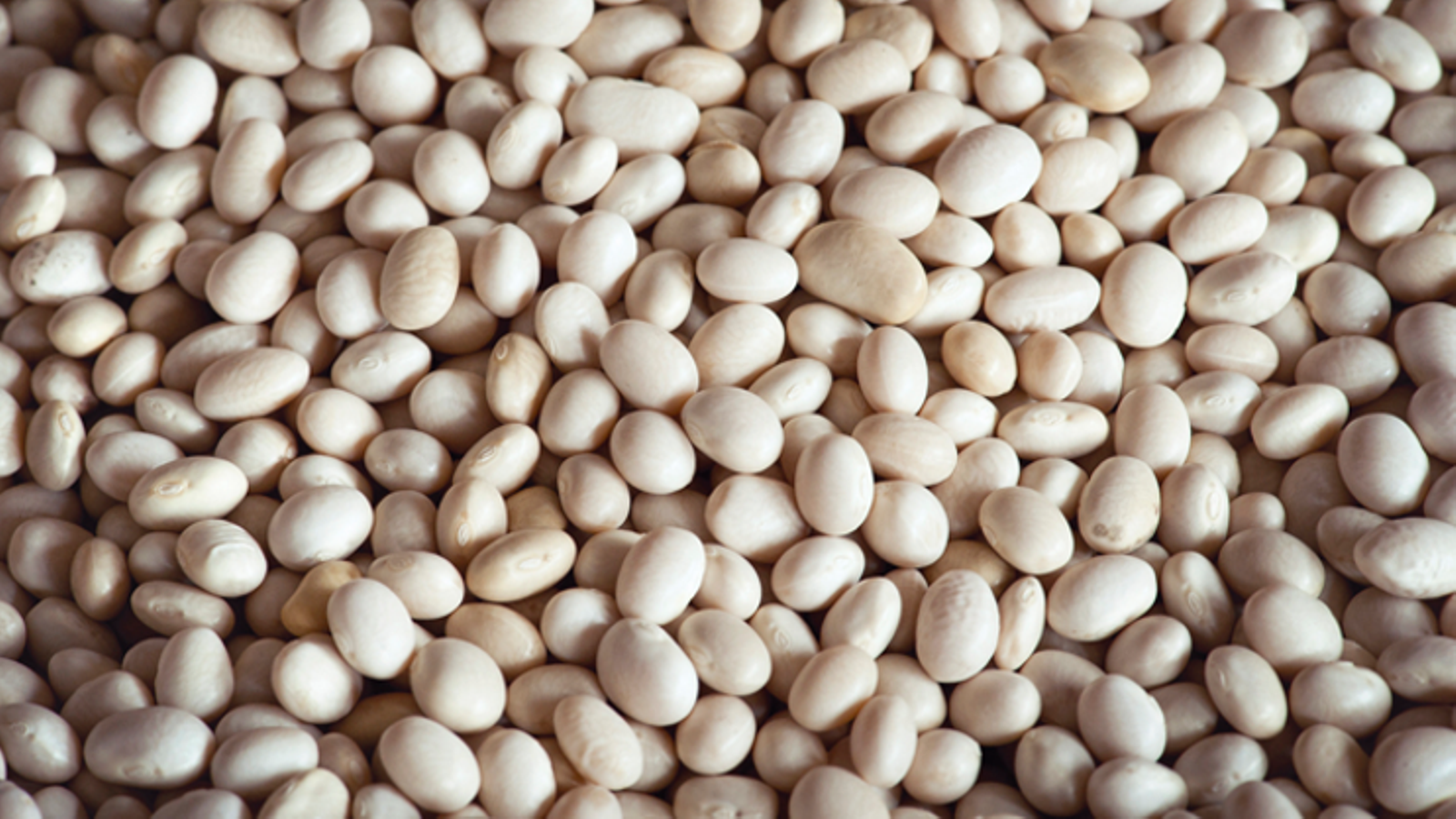

The Santa Pau bean is a highly prized product. A legume with a protected designation of origin, similar to a white bean, but smaller, that grows in fields near the volcanoes of the Garrotxa Natural Park. The volcanic soil provides it with unique qualities: it has a thin and shiny skin, with a creamy and not at all floury texture, and pairs well with both meat and fish. Currently, around Santa Pau, about a dozen producers grow it within the Garrotxa PDO, the only one in the region, with about 50 hectares sown, and a few other farmers outside the seal. They sell the product, raw or cooked, directly to consumers and also to restaurants and shops in the region.
The bean, however, is very delicate, especially vulnerable to inclement weather. And, in the fields of Garrotxa, this year's harvest has been disastrous. Due to the ravages of climate change, the 2022, 2023, and 2024 seasons were also bad, except for last year's, which was good. The '26 one, however, has been the worst that producers can remember. The plant needs very specific temperature conditions to grow: it is sown in the spring, because it requires water (not much) to sprout and bloom and a moderate temperature for the flower to set and bear fruit. This year, however, the spring has been dry and the summer especially hot, a fatal combination for the Santa Pau bean.
“For now, we have zero harvest. Those who planted first, as always, at the end of May, but with those beastly temperature spikes and the drought, we saw how the beans disappeared from the field. Desperate, we planted some in August because it rained a little. Now we have something in the field, but, if it’s a fairly normal year, with the first frost we will have nothing left. It is more difficult for us to get some beans than it is to win the lottery,” explains Joan Orris, one of the main producers, with about 20 hectares of cultivation.

Losses and administration aid
Aware of the fragility of the crop, farmers in La Garrotxa do not pin all their earnings on the sale of beans. Most also have grain, cereals, rapeseed, or livestock. But the bean is their main emblem, the typical product of the area, and the fruit that gives them the best economic return, so a bad harvest means significant losses: “The expense of growing it is there, but the profit is zero. It is wasted money that you have to subtract from somewhere else. And it is not the first year; there is no business that has the patience to endure this,” certifies Orris.
For this reason, producers are demanding aid from the administration that guarantees them a minimum compensation in case of losses and ensures generational renewal. They have been negotiating aid with the Department of Agriculture for three years, and now it seems they are close to getting it. They have also been working side by side with the university for some time to obtain varieties more resistant to climate change. This is how Lluís Suñer, president of the PDO, predicts the future of the guild: “If they do not ensure some type of aid or insurance to cover our backs, we have to think about it before venturing into it. We have invested a lot in the mechanization of the process and in the creation of the PDO. We were excited, because there is demand, everyone who tastes the bean wants to repeat. And we have young people who would like to make a living from it. But we need some help, as we would be very sad if it ended up being lost”.
The remainder of the 25 continues on the market
However, despite the poor harvest, Santa Pau beans have not disappeared from the market. Producers have reserves from the previous year stored away, which they keep in refrigerated chambers to prevent the dried legume from dehydrating over time. In this way, they can maintain the supply to nearby shops and the restaurants they have been working with for years. They also set some aside for the Bean Festival, which is held in January, where they will hold exhibitions and tastings.
One of these historic establishments is Can Xel, in Santa Pau, right next to the crop fields. Meritxell Roig, the restaurant's cook, explains that the reserves from the '25 harvest allow the supply to be extended a little, but that they have had to reduce its presence on the menu and adjust quantities to demand. “We are very sorry, the relationship with the territory is important, all the products are local, and the bean is iconic,” explains Roig. Right now, they serve it cooked with crumbled sausage or as a side dish for grilled meat. “It is a super versatile product. Whether with fish or meat, cold or hot, it gives you a lot of options and does not limit you. You can use it in spoon dishes, sautéed, or mashed like a hummus,” comments Roig.

“The caviar of the Garrotxa”
And, as it could not be otherwise, the bean is also an essential product of Les Cols, a symbol of the fusion between cuisine and landscape in La Garrotxa and distinguished with two Michelin stars. The head chef, Martina Puigvert, defines it as the “caviar of La Garrotxa” and considers that this year's poor harvest is also a sign of the natural and living character of the product, closely linked to the climate, the land and the way of caring for it. “This year, which has been so hard for farmers, we also think from the restaurant that we are somewhat responsible for transmitting this and, when serving them, for appreciating them even more and giving them the value they have. It is a privilege to be able to have some saved from other harvests. It is more exclusive than ever”, reflects Puigvert. And concludes. “We are sad and worried, although we maintain the hope of being able to continue offering and caring for it”. At Les Cols, they accompany the beans with pig's trotters and a cherry pepper oil, served with a boxwood wooden spoon, a tribute to the spoon makers of Tortellà, all paired with a drink that looks like beer, but is the broth from the cooking of the beans.

