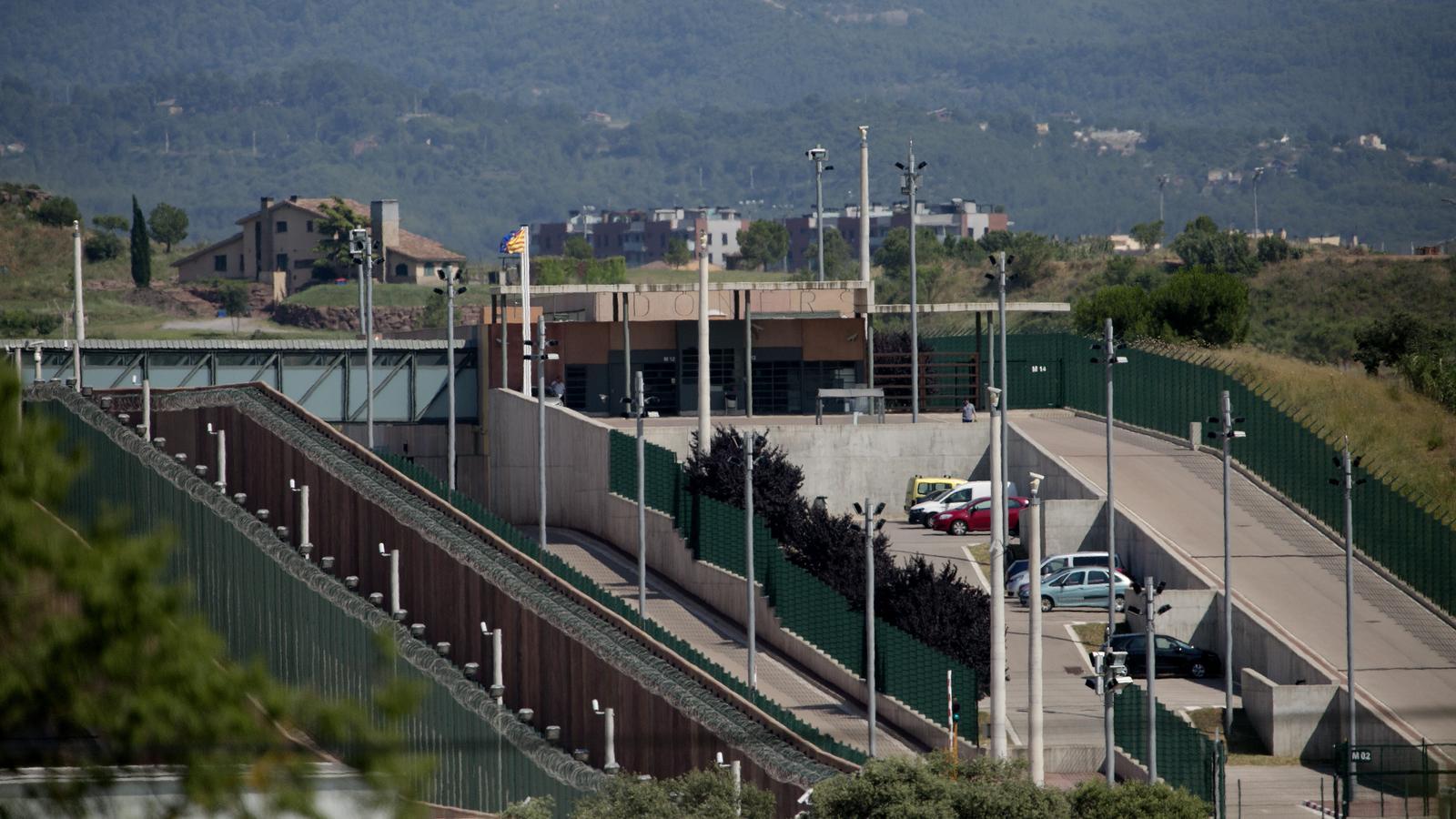

BarcelonaCatalan prisons are one step away from reaching their maximum capacity. According to data from the Department of Justice, as of August 31st there were 9,597 prisoners for a total of 10,016 places, meaning prisons are at 95% of their capacity. This is the case because in the last five years there has been a notable increase in inmates: 1,800 more. Beware, however, of making simplistic interpretations and relating this increase to immigration, because the peak of inmates in Catalan prisons was reached in 2009, with 10,525, and until 2013 it remained above 10,000.
The subsequent reduction in inmates was due to two factors. On one hand, the improvement of economic conditions, and on the other, a penitentiary policy aimed at reducing the time spent in prison to the minimum, as well as more sentences that opted for other types of sanctions, such as community service, instead of deprivation of liberty. Thus, the bottom was reached in 2021, with 7,716 inmates. Since then, however, the figure has not stopped rising, partly also because more repeat-offender thieves who previously avoided prison time have been successfully jailed.
Be that as it may, the pressure on prison workers does not stop increasing, since as the unions denounce, the staff are sized to attend to 7,500 prisoners, and not 10,000. This is causing problems in some centers in enforcing isolation regimes. ARA has learned that, at the Lledoners center, some of these more dangerous prisoners had to sleep in the intake module because the isolation one was full. Or that in Figueres some inmates have had to spend the night in the infirmary due to a lack of beds.
The Government says it is aware of this situation and is accelerating the construction of new modules to increase the capacity of Catalan prisons with a few hundred more places, but it is not enough. If the goal set by the Constitution for prison, which is reintegration into society, is to be truly met, human resources must also be increased: prison officers, monitors, psychologists, etc. Society will feel safer if it knows that the reports used to grant conditional releases can be made under the best conditions and with all guarantees, something that is currently not at all clear due to the overcrowding of prisons.
Catalonia has built its own penitentiary system since it assumed the powers in 1984 on its own, as no other autonomous community, except the Basque Country, which received them in 2021, has requested them due to the difficulty and wear and tear they entail. But it is precisely these types of powers that allow for making a difference and demonstrate a genuine and sincere will for self-government. For this reason, the current administration should act with diligence to prevent all the work of previous Ministers of Justice to build this unique model, more focused on reintegration than on punishment, from being at risk.
