Investors rush to protect themselves in case the AI bubble bursts
The price of CDS linked to AI, which serve to cover default risks, is skyrocketing due to high demand

-
CAT -
CAST
BarcelonaA market that reached 2 billion dollars in July now exceeds 9 billion dollars. It is that of credit default swaps (CDS) linked to debt issued by the main technology companies tied to artificial intelligence (AI). These are financial derivatives that became popular during the 2008 financial crisis and which, in essence, allow for protection against possible defaults by bond issuers. They are bets against a possible downturn with the risk of losing money if the trend turns around.
Companies linked to AI, such as data centers, are in full swing, but are loaded with debt to finance the deployment of the necessary infrastructure. And this has caused investors in these securities to rush en masse to buy these hedges, which has sent their prices soaring to over 1,000 basis points in some cases. It is a threshold considered dangerous and which multiplies the possibilities of default up to 50% and 60% in the next five years. It has also penalized the Nasdaq, the Wall Street index with the highest technological weight.
"AI and data centers are not in question, but the possible profitability of the investment is," taking into account the debt necessary to deploy it, explains Jaume Puig, general director of the GVC Gaesco group. In fact, "there are many investments that are made long-term and that in the first few years have been bad and have collapsed," he recalls. Investors are asking themselves and have doubts about whether the promised or expected benefits of these technologies can arrive before the bills come due, that is, before the moment when the debt issuers have to return the capital. And even more so taking into account the rise in interest rates due to the conflict in the Persian Gulf and the growing competition from public debt.

Basically, the doubt is whether the funded projects will generate enough cash to be able to meet the capital return commitments within the expected deadlines. Puig explains that the peak of planned investment will be around 2028 and, in any case, the problems could occur that year or the following ones. He adds that there is "a confusion between the long and the short term, because the problems, if they arrive, occur at the end, not while the project or technology is under construction".
One million for every 10 million invested.
One of the main examples of the situation being experienced in these businesses is the cloud infrastructure provider CoreWeave, dedicated to offering massive computing power for AI, with bonds that must yield 15% (the riskier an asset is perceived to be, the more return it must provide to attract investors). Furthermore, the five-year CDS (standard term) are situated above 1,100 points. This means that a premium to cover a possible default costs more than a million dollars annually for every 10 million invested.

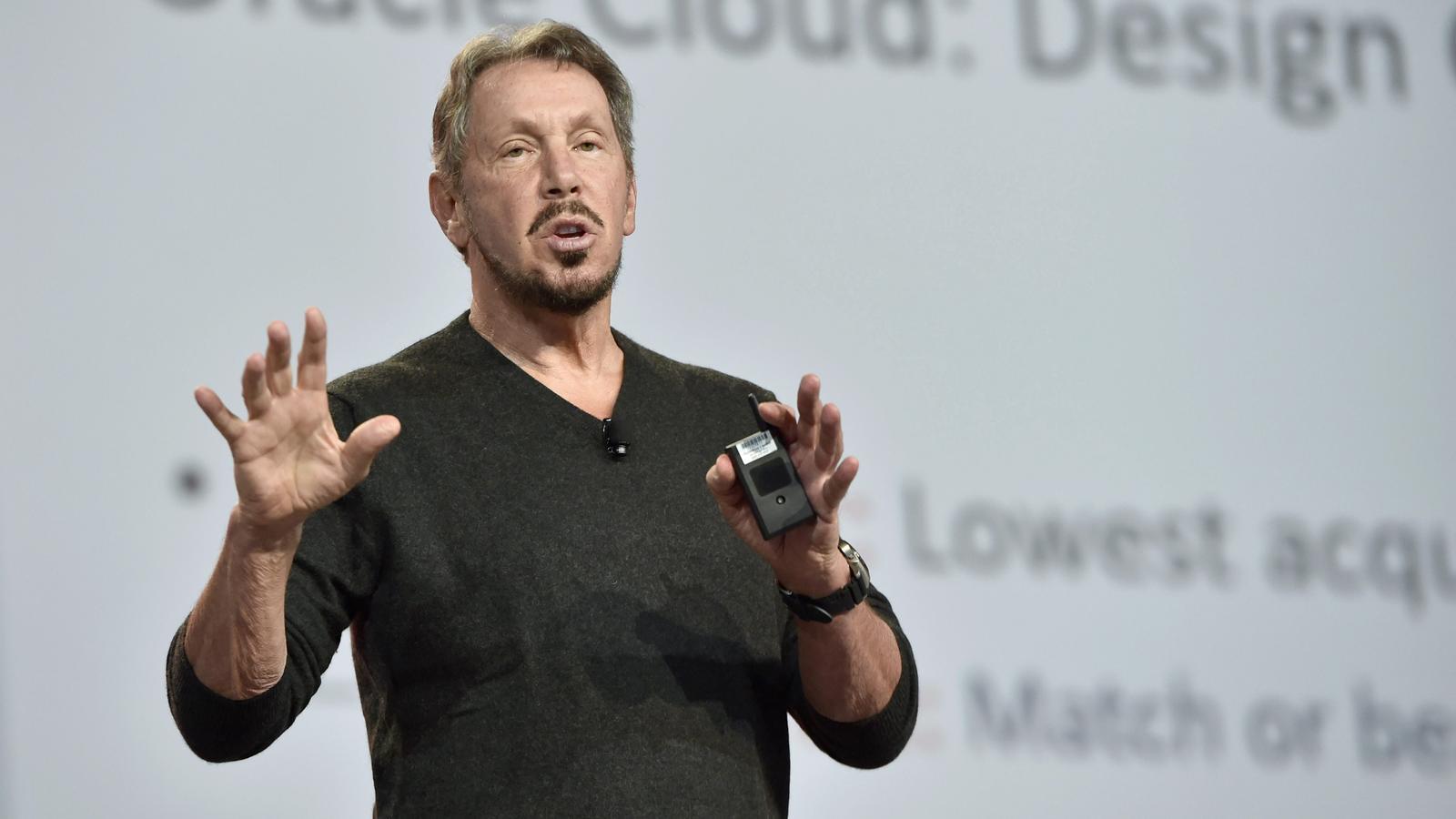
And it is not the only large technology company affected by this market movement. Also Oracle, Larry Ellison's tech company –one of the world's great fortunes–, close to the President of the United States, Donald Trump, and a defender of the government of Israel. Currently, the company is a giant in cloud computing services and enterprise software for company management and is related to AI through supercomputing infrastructure for training it, its integration into data products, and AI agents and enterprise software. The five-year CDS linked to the debt issued by the company exceed 320 basis points, up from 140 at the beginning of the fiscal year. And Elon Musk's SpaceX, which since June has doubled the valuation of its five-year CDS, to more than 230 basis points.
And all this is only a small part of the debt related to AI, which is growing exponentially. Oracle has accumulated 169 billion dollars in loans, of which 25 billion in bonds have been issued this year. SoftBank, a Japanese conglomerate, has received a similar amount since last January. And SpaceX, whose revenues have soared due to its businesses, has issued 65 billion in debt this year, recalls The Economist.
The loans of the 'hyperscalers'
The British magazine recalls that, in addition, there are the main hyperscalers (large technology companies that offer cloud computing services and digital infrastructure at a massive scale) Alphabet, Amazon, Microsoft and Meta–, which have borrowed 214 billion dollars this year, 2.5 times more than in 2025. Another 79 billion dollars in data center debt has also been issued through special purpose vehicles (SPV) –companies created for a limited financial or legal objective–. In most cases, these are joint ventures between cloud providers and financial institutions.
And there is also the 84 billion dollars borrowed by chip manufacturers like Nvidia, also involved in the rise of CDS, and other companies in the semiconductor supply chain. And to all this, we must add the emissions from other companies that provide data center equipment and United States electric companies –along with water, energy is an essential element for data centers–. Thus, the total debt is approaching 850 billion dollars, four times the amount issued in 2023. And the sum of it all adds more than 3 trillion dollars in debt to the companies' balance sheets. That is why there is so much nervousness.
