Francesca Piñón recommends Dickens's journalistic articles
The actress explains that her grandfather introduced her to the classics
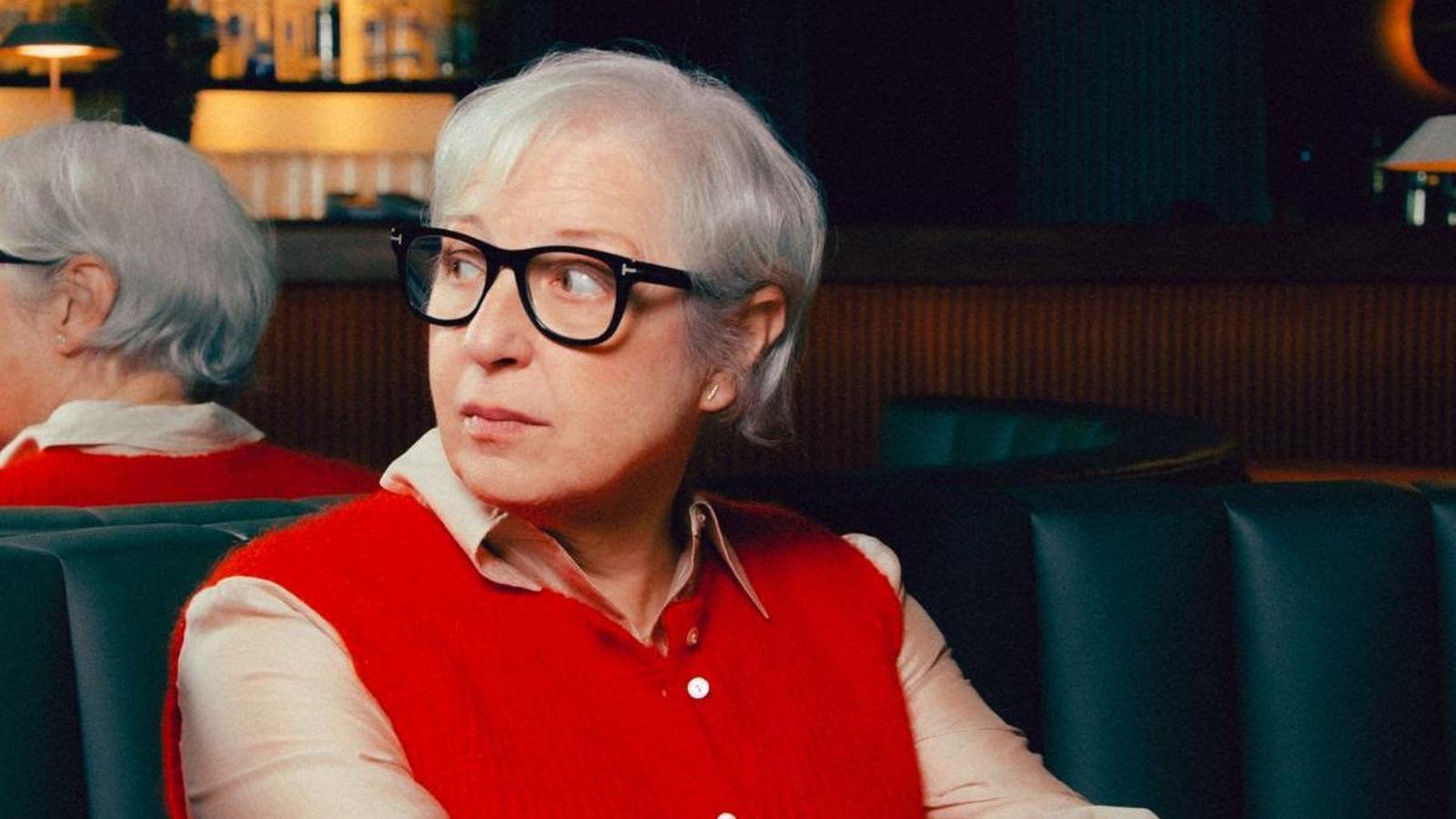

BarcelonaActress Francesca Piñón was an introverted child. "Reading and cinema saved me. My childhood was spent reading and watching films," she says. As a child, she took refuge in reading, and it has accompanied her all her life. "At twelve, my grandfather made me read Tolstoy, Dostoevsky..., and I got used to that literature. It wasn't until adolescence that I discovered contemporary authors on my own. And now, with age, I've gone back," she explains. She defines herself as a "nineteenth-century" reader: her literary century is the 19th.
For this reason, one of the latest readings that have enthralled her is a collection of newspaper articles by Charles Dickens (1812-1870), Pasiones públicas, emociones privadas, an edition translated and commented on by Dolors Payás (Gatopardo, 2024). "It's a social critique of Victorian London and at the same time very current. Dickens wrote for the newspaper and also did gigs explaining what was happening at that time," says the actress. The volume not only aims to be a description of a time but also delves into people's lives. Dickens began his career as a parliamentary journalist at a very young age and maintained his activity as an columnist throughout his life – as a chronicler, essayist, opinion writer – while writing masterpieces like Oliver Twist and Great Expectations. "I really like Dickens and all English literature," assures the actress.
It is also true that theater allows her to discover new worlds. This summer she premiered at the Grec Festival Factory, and she has looked for literature about Andy Warhol, his era, and his universe. When she reads poetry, her go-to author is Sylvia Plath. But if she has to make a recommendation, she would stick with the anthology of 20th-century English-speaking poets Cares a la finestra (Galaxia Gutenberg) which Montserrat Abelló chose and translated.
