"We've had enough": the ghost of the boycott arrives at world tennis
Just the year that the big favorites fail at Roland Garros, the players demand to earn more at the four Grand Slam tournaments

-
CAT -
CAST
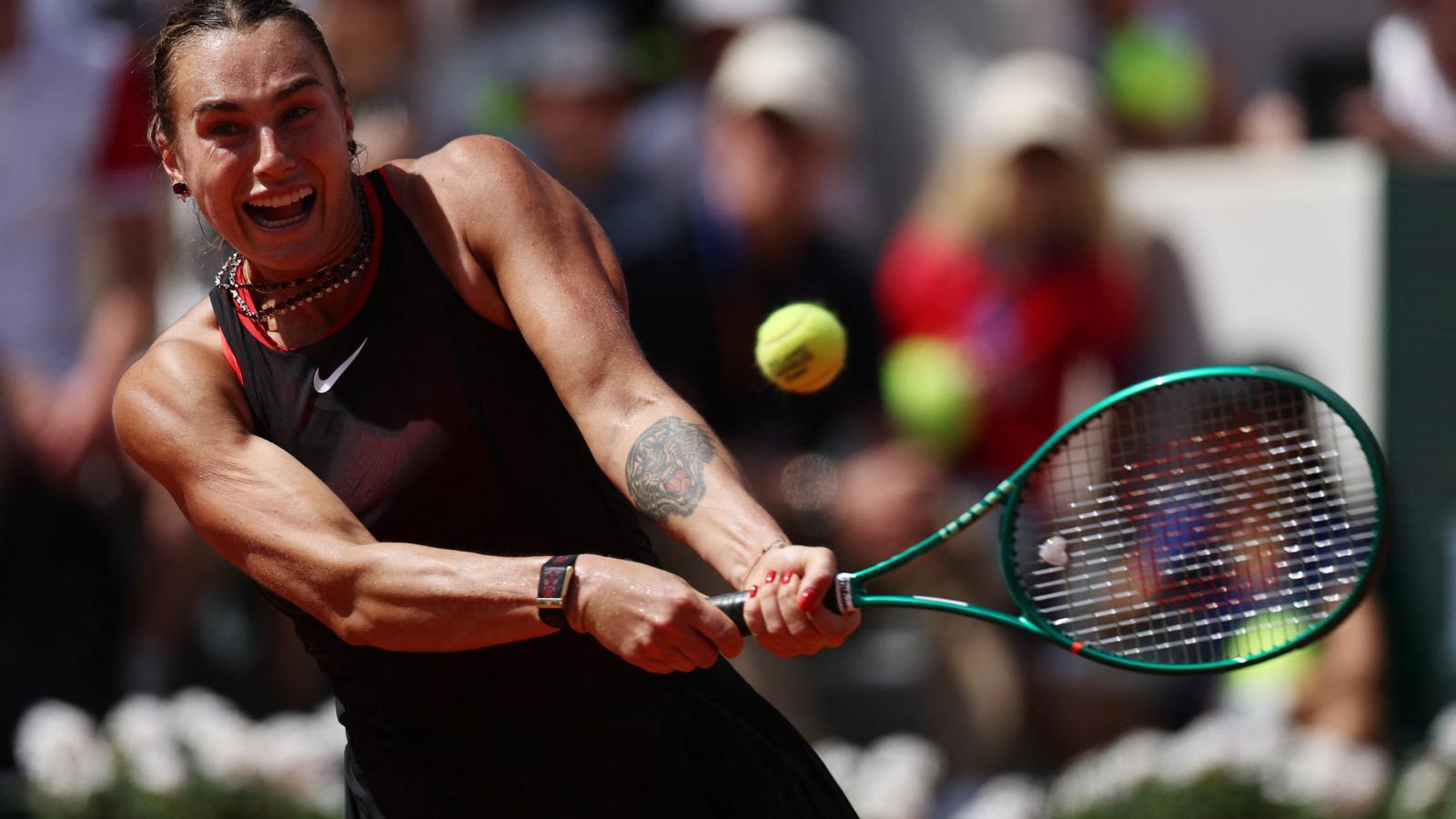
BarcelonaThe organizers of Roland Garros are in despair. First they discovered that Carlos Alcaraz would not be going due to injury. So they prepared to place the crown on Jannik Sinner, who was coming off winning all the clay court tournaments he had played. But the Italian felt unwell in his third-round match against the Argentine Juan Manuel Cerúndolo and surprisingly fell in five sets. "I haven't slept well and I've been wiped out, without energy," he explained afterwards. The organizers had Novak Djokovic left, who at 39 was aiming for one last major triumph. But he also fell, in his case against the Brazilian João Fonseca. While awaiting what the young Madrilenian Rafa Jódar might do, the tournament has been left without stars in the men's draw.And all this in a strange context. The main players, men and women, have been raising their voices in recent months to complain about the prizes they receive. Currently, Grand Slam tournaments allocate 12% and 15% of their profits to awarding prizes to players, which they consider to be too little given the huge amounts of money involved in Melbourne, Roland Garros, Wimbledon, and the US Open. Last season, a players' revolt was already simmering, which has escalated this year. Almost all of them have decided to show their discontent not only with their statements but also with their actions. For example, many refuse to participate in Roland Garros organizers' proposals to make viral videos. In press conferences, they answer increasingly briefly and never spend more than fifteen minutes with journalists. If the organizers don't go beyond 15%, they don't go beyond 15 minutes. The first to strongly raise their voice was the best player of the moment, the Belarusian Aryna Sabalenka, world number 1. "When you realize the numbers we generate and see what we players receive... I think we are the ones who put on the show. We are fed up. I feel that without us there would be no tournament, there would be no entertainment. We deserve to be paid a higher percentage. At some point, maybe, we will boycott the Grand Slams, yes. I feel that it is the only way we have to fight for our rights, there is no other," she said. Other players have since joined. Djokovic supported her: "The new generations are arriving and I am happy to see leaders of our sport, like Sabalenka, taking a step forward and truly understanding how tennis politics works." And he added that he was a little disappointed with the two great players of the moment, Sinner and Alcaraz, because they weren't saying anything.
But the Italian finally also decided to raise his voice, even though he is usually a reserved person who avoids controversy. "It's more about respect, because I think we give much more than we receive. And it's not just for top players, it's for all of us. We're talking about money, but the most important thing is respect, and we simply don't feel respected. I think players are a bit disappointed with Roland Garros. I understand that players are talking about a boycott," he said. Before Paris, the players began to coordinate to exert some pressure, moving from words to actions. For now, these are actions that do not affect the tournament much, but they are causing concern within the ATP circuit about a possible strike in the future.
Currently, the male and female champions of Roland Garros earn 2.8 million euros. The figure is high, but in a joint statement the players said: "Roland Garros generated 395 million in revenue in 2025, a 14% year-on-year increase, but prize money only rose by 5.4%, reducing players' share of revenue to 14.3%. With estimated revenues of over 400 million euros for this year's tournament, prize money as a percentage of revenue is likely to remain below 15%, well below the 22% players have requested to align Grand Slams with the ATP and WTA tours. As Roland Garros seeks to register record revenues, players are receiving a decreasing share of the value they help create.
Players demand decision-making power
In most tournaments, such as those in the Masters 1000 category, players usually receive 22% of the total winnings. At the four Grand Slam tournaments, organizers refuse to reach this percentage. In fact, in Paris they still paid less until recently, but this April the organizers announced a 9.5% increase in prize money. Players, however, remain angry. “The announcement of this improvement does nothing to address the structural issues that players have consistently and reasonably raised over the past year. There has been no involvement in player welfare nor any progress in establishing a formal player consultation mechanism within decision-making. The Grand Slams continue to be resistant to change. The absence of consultation with players and the continued lack of investment reflect a system that does not adequately represent the interests of those who are central to the sport's success,” read the players' statement, who also demand to be consulted on issues relating to schedules and the calendar.
The big names in tennis earn a lot of money thanks to their talent, but underneath it remains an unbalanced sport. Players are not protected because they are self-employed and have to pay for their own travel, hotels, and coaches. Without a fixed salary, they depend on advertising contracts and tournament prizes, which are little if you don't get past the early rounds. Currently, whoever loses in the first round of Roland Garros receives around 78,000 euros, a figure that is reduced after paying taxes and which in many cases does not allow one to make a living from this sport, as the expenses of traveling around the world are very high. For now, this edition of the French tournament is moving forward amidst surprises and long faces, waiting to see how far players can go in the near future.

