To be in government is not to have power
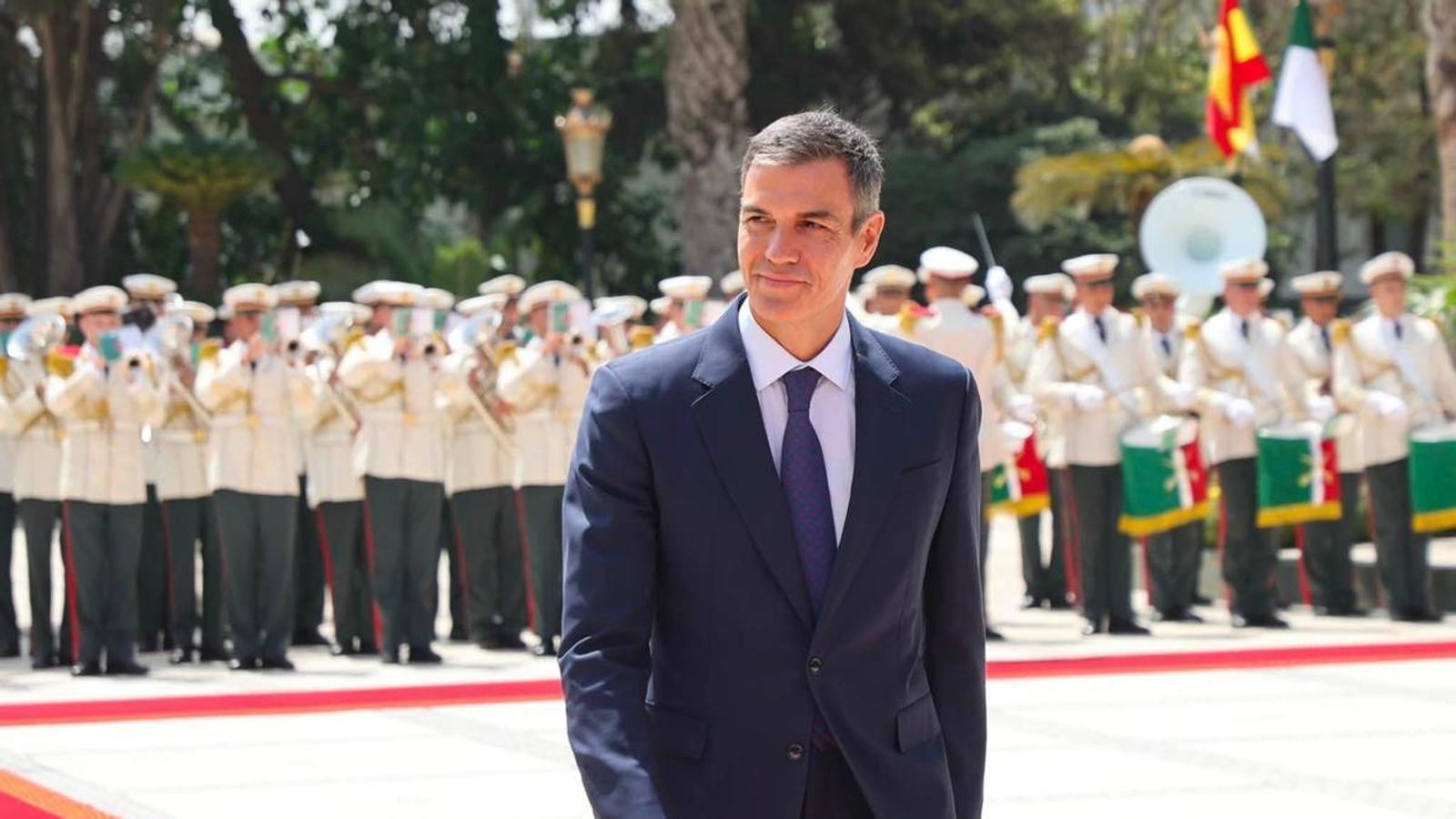

Power is a Lernaean hydra, a multi-headed dragon. Part of the power is embodied in formal institutions, but there are centers whose greatest strength lies precisely in their informal nature. Montesquieu's separation of powers, which is the scheme of checks and balances that predominates in increasingly worn-out modern democracies, does not by any means encompass the spheres of influence and decision-making that intervene in the economy, politics, or society. Although in the free, open, and democratic world we think of the preeminence of the political, the truth is that in this area, even if there is a tendency to overact, verbal excesses are in reality a demonstration of weakness and impotence. Power, when it is real and authentic, tends to be quiet and to move in a certain clandestinity. When opacity surpasses the evident, we will be facing a society that has lost the value of transparency and where the reign of concealment prevails.Political organizations and leaders lose all credibility to the extent that they hold government, but govern very little, either due to incapacity or due to the blocking by the opposition, which can be stridently political, but can be accompanied by an empowered judiciary, economic sectors that want more benevolent policies, or media outlets predominantly against whoever formally holds the government. In Spain, to say that Pedro Sánchez holds power would be a fallacy. He has made very brave social and economic decisions, but he cannot approve budgets, and his theoretical allies in Congress cause his major legislative initiatives to falter. At the same time, the bodies of the judiciary show him - day in, day out - who really is in charge.The great economic powers express themselves in the Bernabéu box or in the newspapers demanding tax cuts and greater economic liberalization, especially of public services. Meanwhile, the bishops blame the governing left from the pulpit and the pseudo-media fill the communicative space with disqualifications, lies, and half-truths. The left-wing electorate that does not fall for the fictional narrative of anti-Sanchismo, knows that it is in "resistance" mode and that its policies are being blocked while it suffers a ruthless attack from a justice system that is everything but just. Whoever governs does not have the power, does not have hegemony in the Gramscian sense: it is a tenant farmer who wants to be evicted, whether civilly or criminally.
In Catalonia, although with many nuances, the reality is not so different. There is not the level of aggressiveness and polarization of Spanish politics, nor are the levels and interests of power so strong, but the current government seems to reign more than to govern. Mostly, at least for now, a large part of Catalan society has bought into and agrees with the appeasement of the warrior ardors of independence and with a model of calm management. However, there are indications to think that we are not in the post-Process, but in a temporary retraction while the discourse and forces reorient themselves towards the far right: we are in a kind of "landscape after the battle" while more sordid future battles are sensed.Meanwhile, moderate, or not so moderate, pro-independence sentiment continues to dominate the narrative and intensely preserves its hegemony in the media, especially public media, and in cultural policy. In Catalonia, the Government does not suffer parliamentary deadlock and has managed to approve a budget, in exchange, however, that especially Esquerra but also Junts continue to shape many of the major policies and that the latter act as spokespersons for business interests. To date, a differentiated political narrative has not been achieved, nor the primacy of clearly transformative political objectives.It seems evident that those who voted for the PSC and Comuns wanted a non-nationalist government and social policies that would reverse the years when power allowed social services and basic infrastructure to decline significantly. Voters who wanted more housing, less tourism, and a greater predominance of public services, in addition to abandoning the cultural provincialism of post-Pujolism and tribal discourses. There is no parliamentary majority and concessions must be made, logically, but the weight of the old is still so great that the danger is that it may seem that nothing has changed. In general, the progressive electorate does not like their representatives to only hold power and not transform, that the lives of all are not improved. When this happens, and there is past evidence of this in the socialist party, people lose hope and motivation. And the solution is usually to stay home.There is an awkward sarcasm that often reproaches that social democracy takes government with the left hand and usually exercises it with the right. It is also said, remembering the Maragall era, that in Catalonia, whether nationalist or not, when one governs, one does nationalism. The left always suffers, fortunately, from the demand for coherence. We should avoid giving the impression that what was meant to be an alternative ends up in mere alternation.
