Alícia: food and science at the service of people
The Catalunya La Pedrera Foundation promotes, through Alícia, research and food innovation to improve the health and quality of life of people. The development of materials for addressing nutrition for people with severe hypertriglyceridemia highlights the therapeutic value of food.
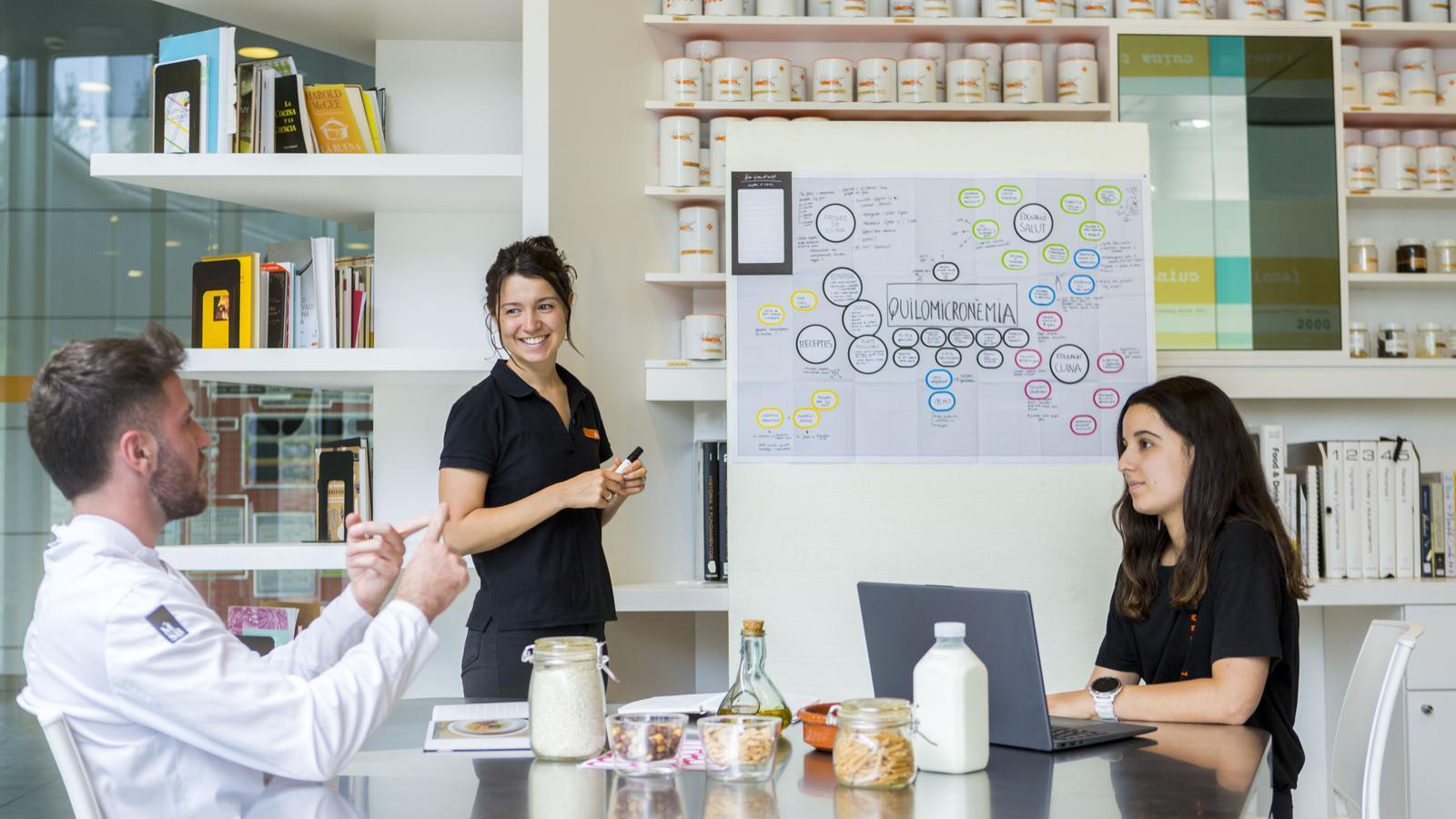
Nutrition is one of the pillars of health and well-being at all stages of life. Improving people's quality of life is the core mission of the Catalunya La Pedrera Foundation, which in the food sector works with Alícia, a center for culinary research and innovation. With the conviction that everyone should be able to eat well, whatever their circumstances, Alícia transforms scientific and gastronomic knowledge into practical solutions that contribute to curing, caring for, and preventing diseases, complementing their treatment, and improving day-to-day nutrition.
Alícia, an acronym for Food and Science, has social commitment as its reason for being. Taking care of people also means ensuring good nutrition. For this reason, the Catalunya La Pedrera Foundation emphasizes this fundamental part of life through different lines of work. Promoting healthy habits, accompanying the elderly as they age, promoting local food, boosting a sustainable, safe, resilient, healthy, and accessible food system, and promoting local gastronomy are the great pillars upon which its mission rests.
One of Alícia's hallmarks is that it combines scientific evidence with culinary practice. Professionals in science, nutrition, gastronomy, and cooking work together and collaborate with hospitals, universities, food companies, producers, restaurants, and other entities. Every one of these projects has the challenge of transforming scientific knowledge into solutions that people can apply to their daily lives.
Nutrition and cancer is one of the main lines of work of the culinary medicine it develops. Through the OncoAlícia platform, the Foundation provides tools and supports patients, families, and healthcare professionals with access to information based on scientific evidence, nutritional recommendations, and recipes adapted to the needs of each phase and treatment. The research that Alícia carries out also allows for the creation of nutritional resources for other diseases, such as dysphagia, diabetes—through the 'Diabetes a la Carta' web portal—, kidney disease, and various rare pathologies.
The didactic workshops at Món Sant Benet promote healthy eating habits among the youngest, while guides and resources aimed at the elderly help to adapt their diet and preserve the pleasure of eating. Other initiatives, such as the collaboration with MANS to develop legume-based dishes, link healthy eating with organic and local agriculture, gastronomic tradition, and social inclusion.
Cooking as therapy
But what happens when eating becomes a challenge for health reasons? It is in this area where scientific research and culinary knowledge acquire a particularly relevant dimension. Chylomicronemia is an example of this.
Familial chylomicronemia syndrome and other forms of severe hypertriglyceridemia of genetic origin is a rare disease that causes fat metabolism disorders. People who suffer from it require a very low-fat diet, often less than 15 or 20 grams per day, when the average is about 70-80 grams. This is really complex, since just two tablespoons of olive oil, 5 walnuts, or 5 medium sardines already provide this amount. It is, therefore, one of the most demanding dietary restrictions that exist. To provide a response, the Catalunya La Pedrera Foundation, through Alicia, has developed with the Lipids and Vascular Risk group of the Endocrinology Service of the Hospital Clínic Barcelona a set of practical resources.

The initiative includes a guide, developed with the participation of affected individuals, which provides them with a set of practical and educational resources such as the fat-meter. A practical and educational resource that allows for understanding the fat content of different commonly consumed foods. It also features a recipe book with over 40 recipes and video recipes, among other tools.
Knowledge and innovation
All materials, aimed primarily at people with familial chylomicronemia syndrome, are open and free of charge for everyone. They are useful for other patients with severe hypertriglyceridemia who require an intense restriction of fat consumption, and, at the same time, they constitute useful educational tools for anyone interested in better understanding the fat content of foods and making healthier dietary decisions, one of the pillars of cardiovascular prevention. They can also serve to facilitate the work of health professionals so they can educate their patients.
The initiative aims to contribute to improving the quality of life of affected people and facilitate adherence to a dietary treatment that is essential to reduce the risk of complications, given that nutritional intervention remains the cornerstone of treatment and is indispensable even in the era of new targeted drugs. Furthermore, it provides patients and their families with practical, scientifically-based resources to face the daily challenges associated with these rare diseases with more confidence.
Eating in a balanced way is key to preserving health, especially in moments of fragility, when adapting nutrition to each person's needs becomes even more important. To this end, the Catalunya La Pedrera Foundation, through Alícia, puts gastronomic knowledge and culinary innovation at the service of people to offer practical solutions to the dietary challenges that arise throughout life.
