The summer of 2026, the deadliest of the last decade in Spain
The MoMo records more than 5,800 deaths between May and September, 1,952 of which in Catalonia
-
CAT -
CAST
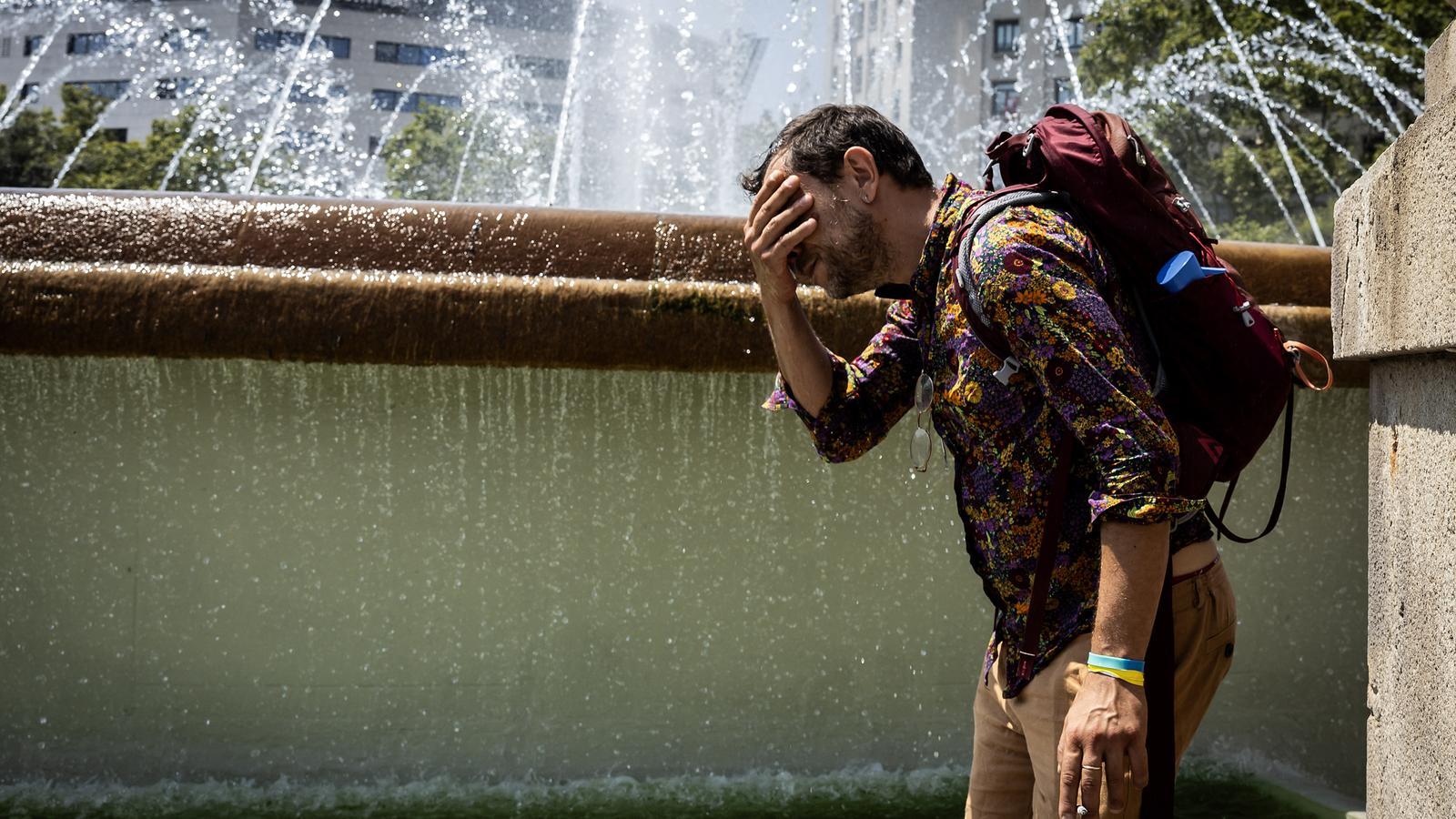
BarcelonaThe summer we have just left behind is the one that has caused the most heat-related deaths in the last decade in Spain. The Daily Mortality Monitoring System for all Causes (MoMo) of the Carlos III Health Institute (ISCIII) estimates that between May 15 and September 30, there were 5,807 deaths attributable to high temperatures.
With this figure, the summer of 2026 surpasses the two deadliest summers since MoMo data for the country became available: that of 2022, when 4,789 deaths were recorded, and that of 2025, with 3,832. The final data recorded by the system also confirm that 1,952 people died in Catalonia for reasons related to the heat.
MoMo is the only tool that allows for near real-time radiography of the deaths that occur daily in the country, which are calculated using the excess mortality indicator; that is, how many deaths that occur [observed] exceed those expected [estimated] in a given territory and period. The register incorporates an estimate of mortality attributable to heat differentiated from other causes, both at the national and regional level and by province.
The impact was not homogeneous throughout the territory, as the highest rates of heat-attributable mortality were observed in the north and northeast of the peninsula. Specifically, in Cantabria, Navarre, and Catalonia. Furthermore, according to this system, August was the month in which the most deaths were recorded, with 2,162, followed by July (2,026), June (938), September (559), and May (123).
The elderly have once again been the most affected: 97% of the estimated deaths attributable to heat occurred in people aged 65 or over, and 62% in those over 85. There are also differences according to gender: women were the most affected, with 3,486 deaths (60% of the total), while 2,321 were recorded among men.
The impact of five heatwaves
The team coordinating the MoMo at the National Center of Epidemiology points out that this impact has occurred "in an exceptional climatic context" this summer, which it describes as "the hottest in recent history," with four heatwaves identified by the State Meteorological Agency (Aemet), in addition to another additional heatwave at the beginning of September. Added to all this were a persistent drought, large forest fires, and an intense marine heatwave in the western Mediterranean.
According to the Carlos III Health Institute, the information derived from the MoMo reinforces, for another year, the importance of maintaining "continuous epidemiological surveillance and strengthening prevention and adaptation measures against the effects of extreme heat on the population's health."
However, this year the figures of the historic summer of 2003 have not been reached, when some 13,000 people lost their lives in Spain as a consequence of the high temperatures. That episode led the Ministry of Health to design and implement a plan for the prevention of the effects of heat on health.
The MoMo, however, does not measure actual deaths, but rather makes a statistical projection by crossing temperatures and daily mortality observed with that expected for a given period of time. It should be understood as an epidemiological estimation of the impact of heat on mortality, not as a definitive clinical count of death certificates.
