A study warns of a higher risk of fatal drowning among migrant children in Catalonia
More than half of the 39 deaths analyzed between 2019 and 2023 correspond to children of foreign origin
-
CAT -
CAST
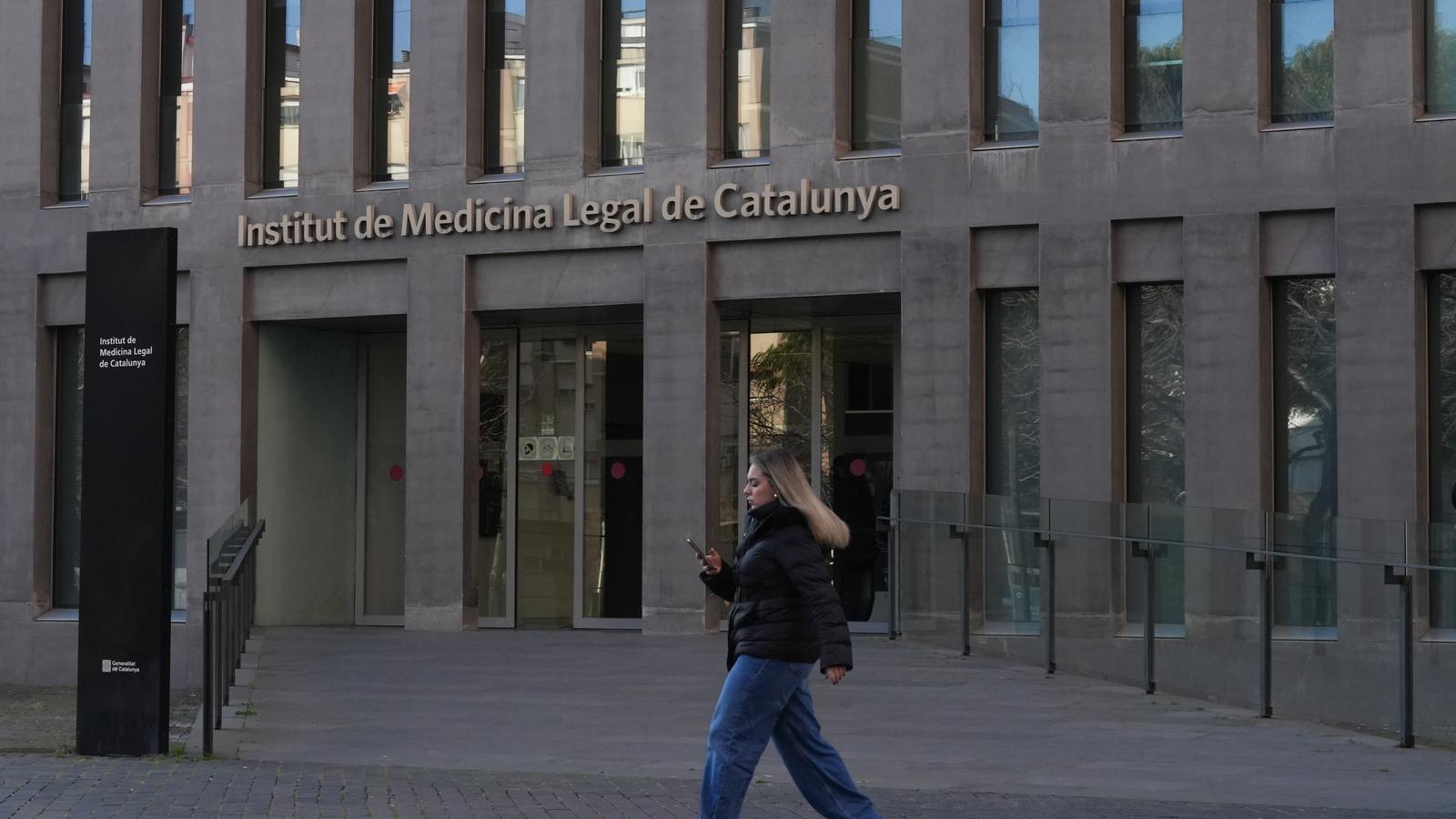
BarcelonaMore than half of fatal child drownings in Catalonia between 2019 and 2023 correspond to minors of foreign origin, according to a study promoted by the Institute of Legal Medicine and Forensic Sciences of Catalonia (IMLCFC) and the Agency for Public Health of Catalonia.
After analyzing the characteristics of 39 fatal drownings in people under eighteen years of age in this five-year period, the analysis concludes that there may be "possible" social, economic, educational inequalities and unequal access to prevention resources behind these events, which entail a higher risk of death by drowning among migrant children.
The study – the first one specifically on this issue in Spain with medico-forensic sources – notes an average of nearly eight fatal child drownings each year and highlights that the majority of victims (74.4%) are boys, with an average age of 6.5 years, and that most of the analyzed cases correspond to minors of foreign nationality.
The analysis also shows differences in drowning scenarios: while among minors of Spanish nationality swimming pools predominate, among other nationalities, natural water bodies such as beaches or rivers are more frequent. According to researchers, these environments require greater knowledge of the aquatic environment, more intense supervision, and specific safety skills.
Knowledge must also be added: the study points out that some migrant children and adolescents may face more barriers to accessing swimming lessons or educational aquatic activities, whether due to economic or cultural factors, or because they arrived in the territory at ages when these opportunities are less accessible.

Prevention with equity as a priority
The authors of this study argue that drowning prevention must combine already tested measures, such as constant supervision of children, swimming lessons, improvement of pool safety, and family awareness. They also emphasize the need to reinforce initiatives that guarantee equal opportunities in access to safe aquatic activities and swimming learning programs, especially among groups that may face more obstacles to participation.
The research continues a previous study on drowning mortality in Catalonia between 2019 and 2022, which had already detected a significant presence of non-Spanish nationals among the fatal drownings recorded in the country. That work, also prepared from IMLCFC data, analyzed 310 deaths of all ages and highlighted the value of medico-legal sources for deepening the knowledge of this phenomenon.
