Youth: the danger of demobilizing them

-
CAT -
CAST
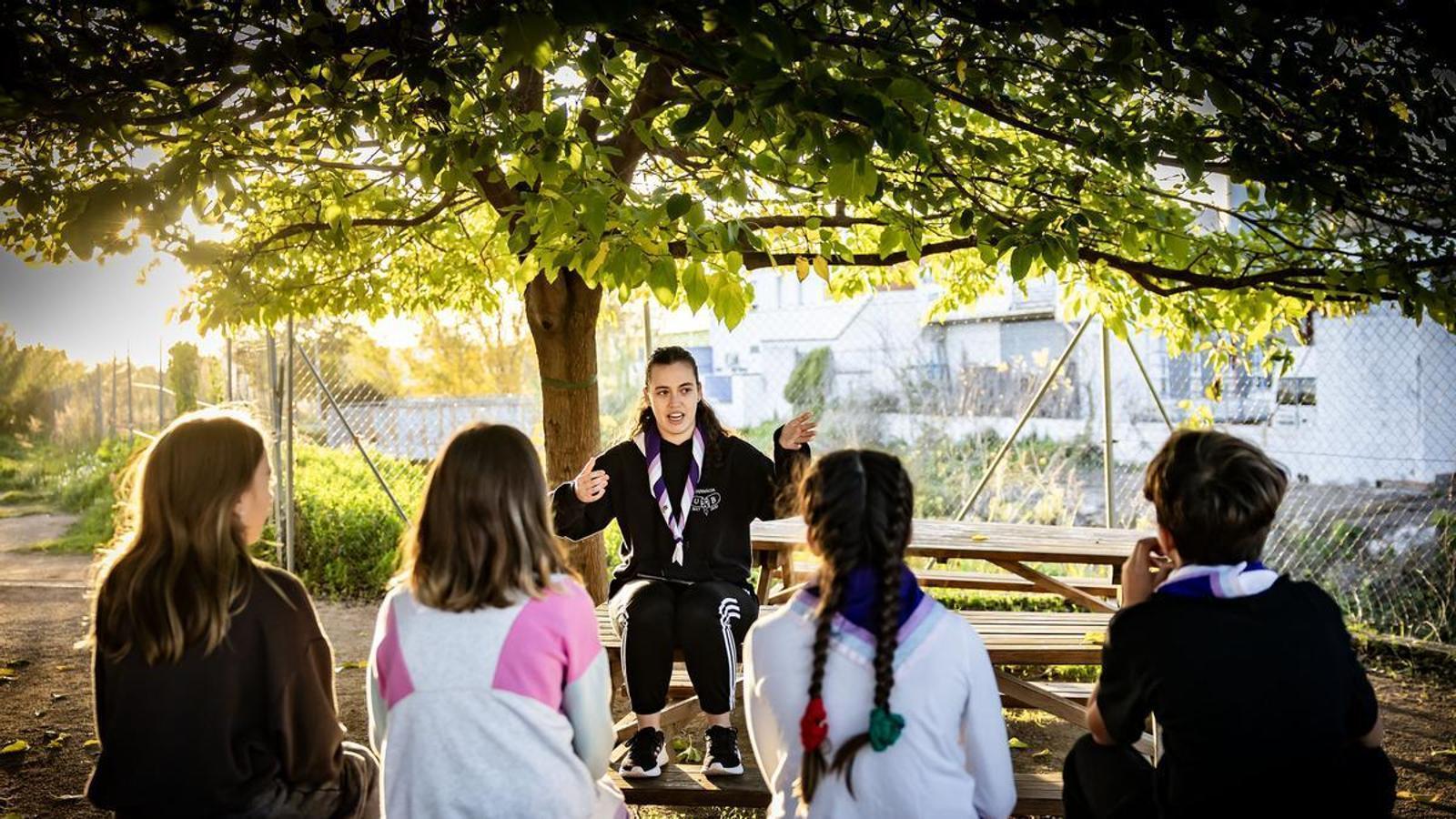
What would happen if we asked a series of people what words they would use to define today's youth? The number of times words like individualistic or unmotivated would appear would stand out to the detriment of the use of other positive concepts. The resulting image would be the one that often prevails in public debate, because it is by repeating a narrative that it ends up being established as true.Now allow me to combine two ideas: the current perception of young people and the Pygmalion effect — the psychological phenomenon in which one person's expectations of another directly influence their behavior and outcomes — widely studied in the educational field. It is easy for young people to also end up believing it, not just certain adults who defend these ideas and who look at them with eyes full of prejudice. How can we afford to validate such a reductionist view of youth? We have too many open fronts to not trust young people and the skills and abilities they have to contribute to improving the society in which we live. There is a real need for young people to be involved to respond to current emergency situations. One of the most obvious, especially this summer, is the climate emergency and the urgency of a change in current lifestyles. And yet, young people are often turned away. Are we not aware of the large volume of young people committed to social movements and the values and ideals that lead them to participate in these spaces?In the case of the youth groups of the Pere Tarrés Foundation Movement, and also of the scout groups, thousands of young people dedicate their time entirely voluntarily to educating and accompanying children. And, of these thousands, there are a good number who invest their work holidays in the summer colonies, camps, or routes of the youth group. They do so because they firmly believe in the impact that the youth group leaves and they assume a commitment. We often repeat that leisure education has been and is a school for citizenship. We are referring to all the learning that children, adolescents and young people take away from the experience of living this opportunity. The monitors become role models for those they accompany. They transmit to children the importance of dedicating themselves to the transformation of their environment from everyday life, of becoming critical people open to diversity, and of developing leadership, conflict resolution or organizational skills, thus training new generations of young people with a transformative vision of society. Faced with this reality of committed young people and current global crises, we must find ways to demonstrate that, as a society, we trust our young people and recognize their contribution. Let's think about it now that we have just celebrated, on the 12th, International Youth Day. It will be by offering spaces to lead, make mistakes, learn, and care for others that we will be able to show a confidence in young people that will allow us to awaken and cultivate the commitment we speak of, and, in this way, we will be able to become a more cohesive, fairer, and more participatory society.
