What is mine is worth more
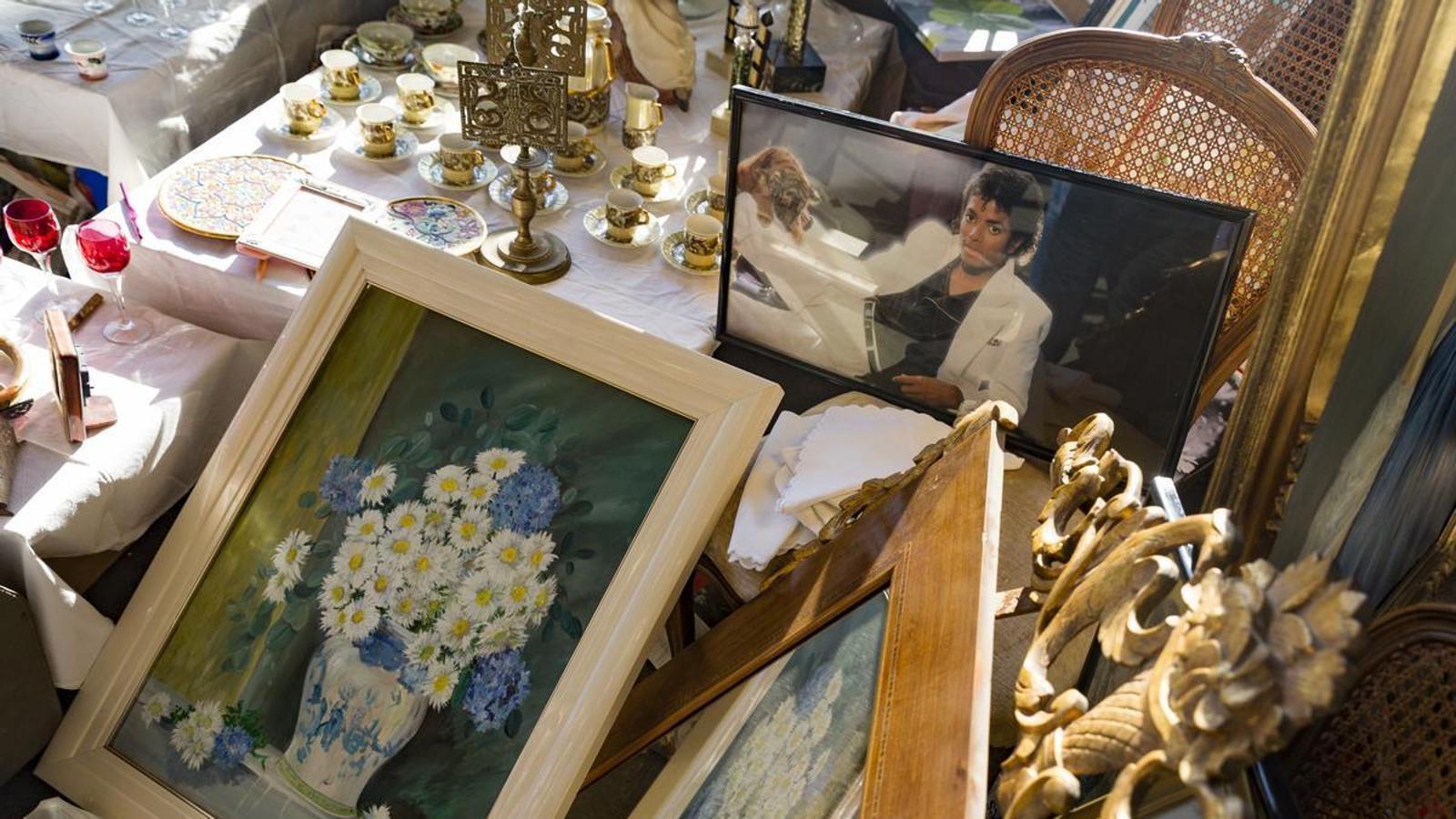

There are objects that acquire value as soon as we bring them through the door of our home. Before buying them, we examine them with coldness, distance, and even distrust. Afterwards, when they are already ours, they seem different. A normal, everyday mug becomes special. The armchair that was in the window of a furniture store retains an unexpected authenticity. The home we want to sell is always worth more than any of the apartments in the same building. This phenomenon is known as the "endowment effect". Ownership modifies our perception and valuation. We ask for more money to part with something than we would have been willing to pay to acquire it. The object, however, is exactly the same. Only its relationship with us changes: it has gone from being in the world to being part of our world. Possessing creates bonds.This explains many difficult negotiations. Whoever sells a house incorporates years of memories into the price. Whoever buys it only sees square meters, state of preservation, and location. The seller hands over a part of their biography. The buyer acquires a property. Both believe they are talking about the same thing, but they value different objects.It also happens in companies. A founder overvalues his company because he created it. A team defends a mediocre project because it is theirs. A manager resists closing a business line to which he has dedicated years. All ownership has an emotional dimension.The endowment effect explains the full closets and the eternal exclamation during a move: "But why am I keeping all this!?" We keep clothes we don't use because giving them away is perceived as a loss. We keep books we'll never open again just in case we feel like flipping through them one day. We accumulate cables from old devices, lest one day we decide to reconnect them. Each object seems to contain a future option: one day it might be useful. The reality is that we keep them only because they are ours.Online marketplaces offer a magnificent portrait of this bias. The seller sets a price inspired by affection. No one makes an offer. That's why so many stationary bikes, lamps, and furniture continue to be advertised for months.One way to correct the endowment effect is to ask ourselves this question: if this object were not mine, how much would I pay for it today? The answer usually lowers its value with surprising speed.The most interesting thing is that things don't change when we own them. We change ourselves. We confuse belonging with value and end up belonging a little to everything we believe we own.
