Rethinking social benefits
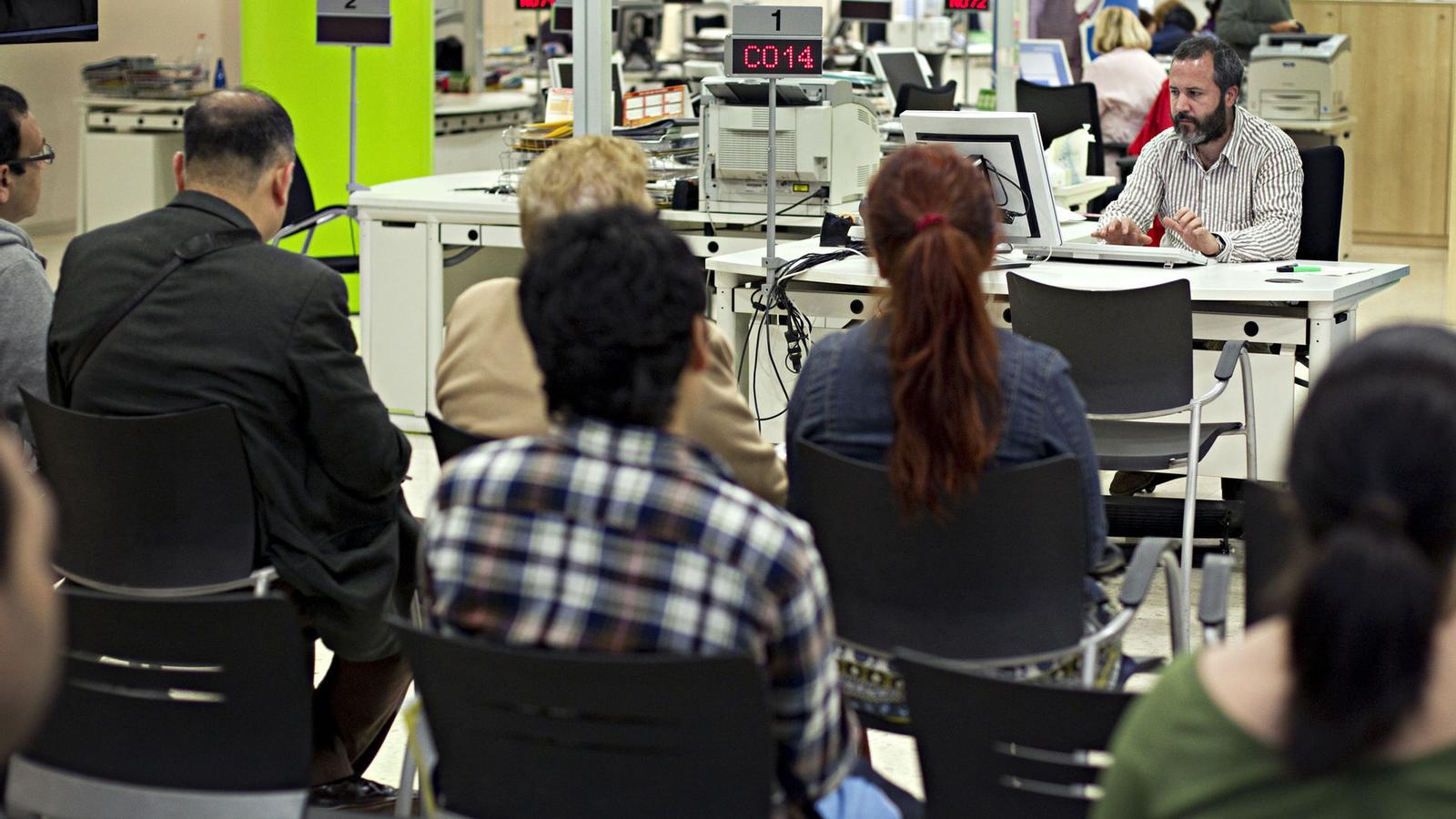

The Catalan economy is growing, unemployment is falling, but one in four people remains at risk of poverty or social exclusion. It is a reminder that economic growth, on its own, does not guarantee an improvement in living conditions for everyone. Social benefits are one of the most effective tools for reducing poverty, but it is the citizens who end up bearing the complexity of our system.
This Friday we presented the conclusions of the fifth report of the Committee of Experts for Social Transformation and Innovation (CETIS), an advisory body to the Department of Social Rights and Inclusion. The report, prepared by the working group on income guarantee and digital transformation that I have coordinated, proposes how to integrate social benefits in Catalonia. We have been creating aid to respond to different needs, without thinking enough about how they relate to each other or how people access them.
The State, the Generalitat, and the city councils have developed benefits with requirements and criteria that often do not fit together. The result is a system that is difficult to understand and manage, both for individuals and for administrations. Thus, people with similar needs can receive very different protection, while others do not receive benefits to which they are entitled. This fragmentation reduces the capacity of aid to combat poverty.
The recommendations we propose to the Generalitat involve simplifying procedures, better coordinating administrations, and sharing data to prevent people from having to present the same information repeatedly. It is also necessary to anticipate needs and facilitate access to aid, without losing proximity-based care. But changes should not be limited to management. Does it make sense for rent subsidies to be granted on a first-come, first-served basis until the budget is exhausted, leaving out people with the same needs? Improving the system also implies reviewing how it is decided who receives benefits.
Progress has already been made. Since October 1st, the Generalitat has been processing new applications for the minimum vital income (IMV) using a procedure that leverages the information to also facilitate the application for the guaranteed citizen income (RGC). An interdepartmental commission has also been created, which has less than a year to design a single window for social aid. The challenge will be to go beyond a common entry point and move towards a truly integrated management of benefits.
Now it is time to apply the recommendations and see if they yield results. To find out, we should ask ourselves specific questions such as how many procedures a person has to go through to receive all the aid they are entitled to, or how many people continue to not receive them despite meeting the requirements. Because the goal is not just to manage benefits better, but to ensure they better protect people and reduce poverty.
