Tobacco needs an expiration date

-
CAT -
CAST
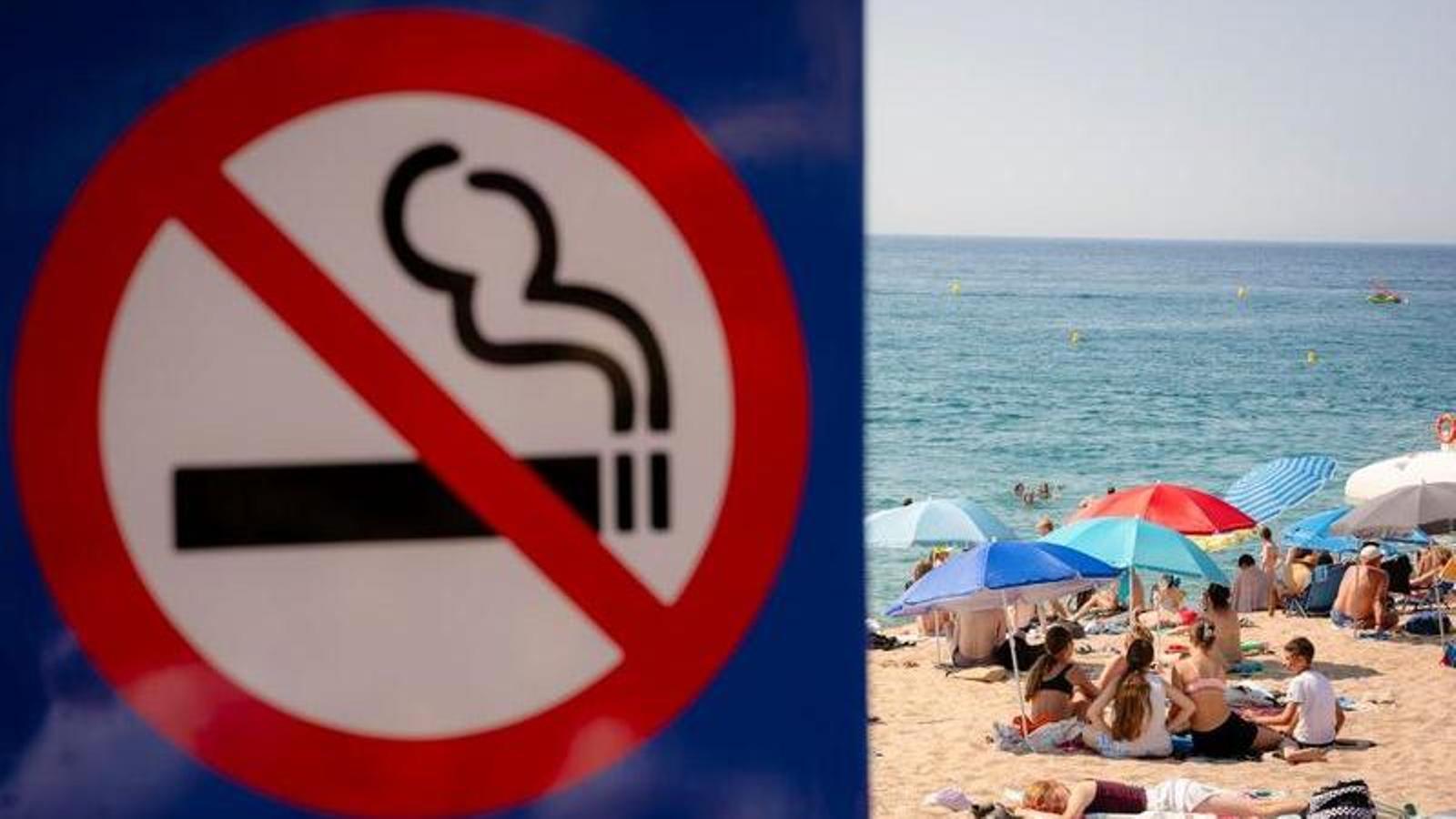
The Spanish government's decision to expand smoke-free spaces to terraces, beaches, university campuses, and other public areas is excellent news. It's late, but it's here. It is a necessary reform, supported by scientific evidence and consistent with what the WHO and the scientific community have been recommending for years.
Every year, tobacco kills more than eight million people worldwide. In Catalonia, almost 10,000. This is the equivalent of seeing an entire city the size of Montgat or La Seu d'Urgell disappear annually. It remains, by far, the leading cause of preventable premature death. It is also responsible for an enormous burden of cardiovascular, respiratory, and oncological diseases, disability, dependency, and a health and social cost estimated in Catalonia at more than 3 billion euros annually. There is no special tax on tobacco that compensates for this bill. We all pay it, even those who have never lit a cigarette.
Given these figures, it is surprising that we are still discussing whether prohibiting smoking on a terrace is excessive. Only a few decades ago, it also seemed an exaggeration to prevent it in hospitals, workplaces, or bars and restaurants. The same arguments were always repeated: that it was an attack on freedom, that the hospitality industry would be ruined, that jobs would be lost. None of this happened. Today, no one would consider going back. The history of public health teaches us a recurring lesson: measures that are initially called paternalistic eventually become, over time, expressions of common sense.
The benefits of these measures go far beyond passive smoke. They denormalize consumption, protect children and adolescents, make it difficult to start smoking, encourage many smokers to quit, and contribute to building healthy environments. Terraces, beaches, or university campuses are not just leisure spaces; they are also spaces for social learning. Children learn by observing. The vast majority of smokers started when they were adolescents, at a particularly vulnerable stage: when the brain is still developing, when peer pressure weighs more than any health warning, when nicotine turns an adolescent curiosity into a lifelong addiction. If tobacco disappears from shared spaces, it also gradually disappears from the mental landscape of new generations.
In this regard, the current reform recovers an initiative that Catalonia already proposed almost four years ago. In September 2022, from the Department of Health we announced a regulation to prohibit smoking on terraces, at the entrances of schools and hospitals, and at bus stops. This same newspaper dedicated an unequivocal editorial to it: "Less smoke, more health". It argued that protecting the health of non-smokers was far above the supposed right to inhale carcinogenic substances for pleasure and recalled an often-forgotten fact: more than 75% of the population does not smoke. A few days later, however, the political crisis resulting from Junts' departure from the Government froze that reform, which never saw the light of day.
This reform is a starting point, not an arrival. If we know that tobacco is a product that, consumed exactly according to the manufacturer's instructions, kills approximately half of its regular consumers, why do we continue to accept that each new generation joins it? If someone discovered tobacco today, no regulatory agency in the world would authorize its commercialization. There is no other legal consumer product with comparable lethality. The only difference is that tobacco has coexisted with us for centuries. Its antiquity has granted it an exceptional privilege: to be judged by history and not by evidence. The great success of the tobacco industry is not having normalized its consumption, but having normalized its sale.
It is at this point that the United Kingdom has decided to change the rules of the game. The law approved this year does not prohibit adults from smoking nor does it criminalize smokers. It does something more intelligent: it prevents new generations from entering the tobacco market. People born from January 1, 2009 onwards will never be able to buy it legally. It is an idea as simple as it is disruptive: the problem is not just to reduce the number of smokers, but to stop "manufacturing" new ones. Its detractors have called it paternalism. But the real paternalism is to resign ourselves to millions of adolescents continuing to become customers of an industry that knows perfectly well that, if it does not create addiction before the age of twenty, it will hardly have new consumers. The freedom that some invoke is not so much that of citizens as that of a business to continue ensuring the generational replacement of its customers.
In twenty years, we will probably wonder how it was possible to smoke with absolute normality on a crowded terrace or on a beach. The reform that is now starting its parliamentary journey is a step in the right direction. But, if we really want to reduce the leading preventable cause of death in our country, the objective cannot be just to regulate smoking. Following the example of the United Kingdom, we must set an expiry date for it.
