That women stop voting

What if women stopped voting? It has been talked about for a few weeks now: in the United States, there is an ultraconservative movement that advocates for it, wanting to replace the individual vote with a family vote—and we already know how that would end. The invention is called household voting and one of its main defenders is Pastor Doug Wilson, a Christian nationalist who advocates for a theocratic transformation of the United States. This is not some freak that no one pays attention to: Wilson was invited by the Secretary of Defense, Pete Hegseth, to preach at the Pentagon last February.
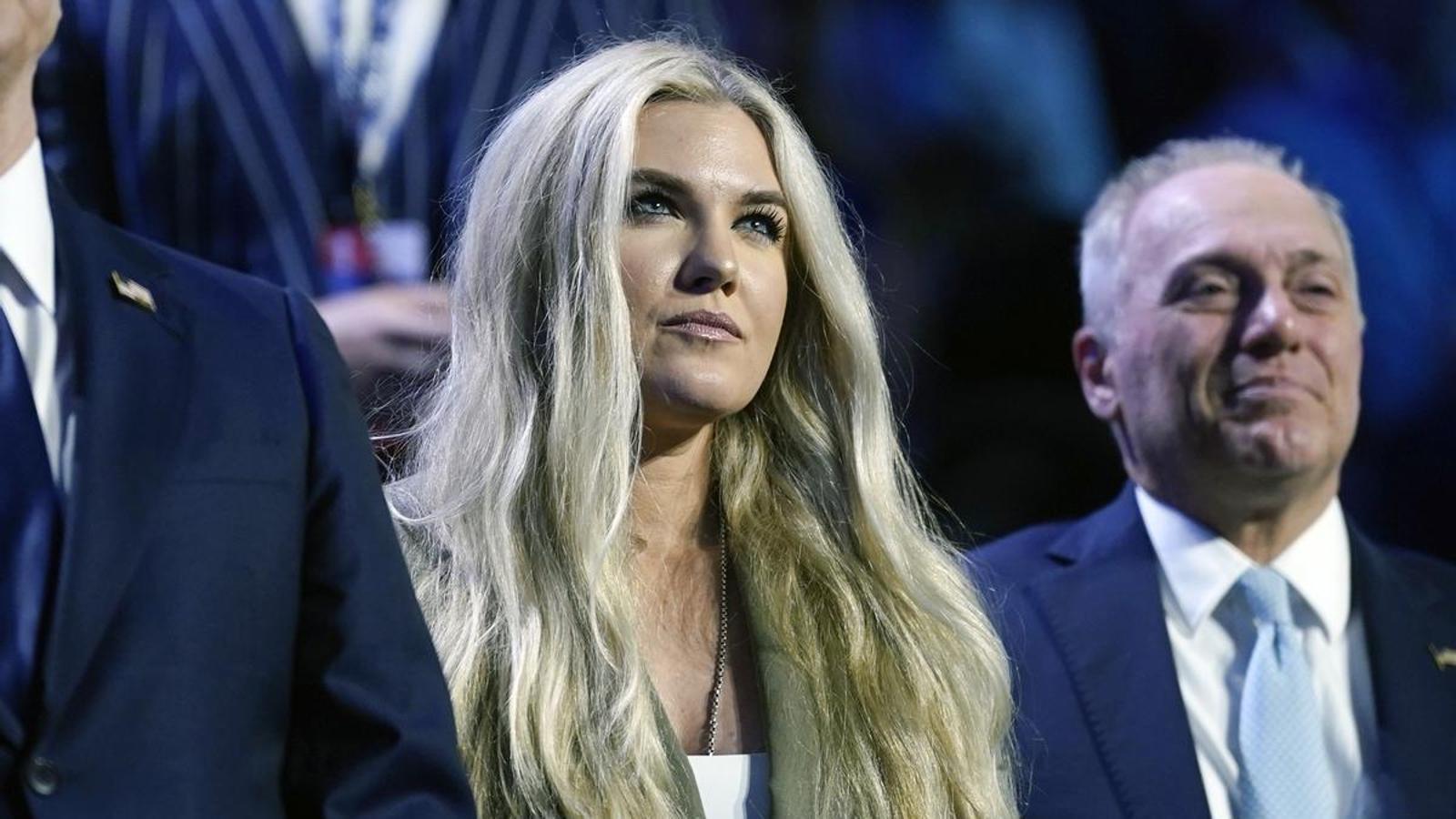
By his side, pushing the movement, paradoxically, we find many women. This June, Turning Point USA (which, under Charlie Kirk, became one of the main youth mobilization networks of Trumpism) held its Women’s Leadership Summit in San Antonio, a meeting to mobilize women around faith, family, and conservative values. Participants included Erika Kirk, widow of Charlie Kirk, Governor Sarah Huckabee Sanders, Riley Gaines, and Savanna Faith Stone, among others.
In her opening speech, Kirk attacked feminism, which she accused of causing loneliness, resentment, and confusion among women. In contrast, she proposes an idea of a woman guided by faith, family responsibilities, and a traditional moral order. All of this is supported by what some call biblical patriarchy (the family as a hierarchical structure in which the husband is the head and the wife focuses on motherhood, the home, and supporting the husband) and the now-famous tradwife phenomenon (domestic, religious, and traditional femininity), a cultural tool of the new right.
In the era of post-truth, the narrative works for them because it fits everything together: feminism, the state, abortion, school, sexuality, and gender equality are tools of a supposed conspiracy against the traditional family.
The impact is not residual. Turning Point USA claims to have a presence on more than 5,000 high school and university campuses, 8,000 associated churches, more than a million student members, and more than 400 employees. Its relationship with the political core of Trumpism is direct, especially with JD Vance. And so, ideas that until recently seemed marginal and outlandish are gaining powerful platforms and large audiences. Ideas do not need to be mainstream to transform the debate. It is enough to blow up consensuses.
The most disturbing thing about household voting is not that it questions women's right to vote. It is that it is part of a deeper battle: deciding what a woman is, what place she should occupy within the family, and what political power she should have. At its core, they want to depoliticize us. Young women are today a battlefield for the new far-right because they are one of the groups least receptive to voting for it and hold more progressive social attitudes. Because, if you cannot get them to vote for you, you can always try to convince them that it is better not to vote.
