The Indian who when he died cancelled the credits of the Mount of Piety
Tomàs Ribalta made a fortune with the sugar business in Cuba
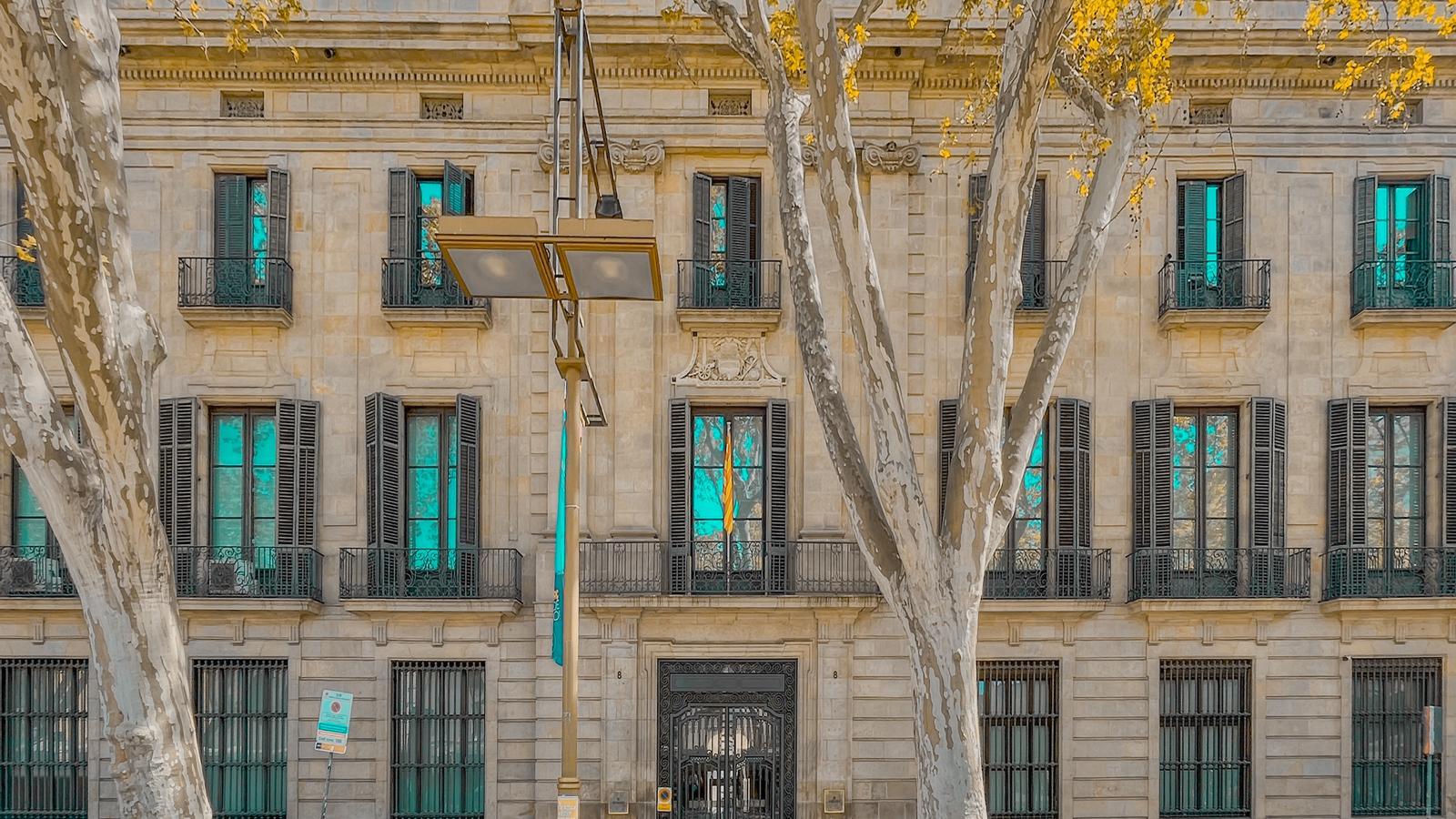
Almost a year ago, around Christmas 2025, we glossed the figure of Josep Baró Blanxart from Canet, who built a great fortune with sugar production in Cuba. In that writing, we explained that the sugar industry of that Antillean island was mostly in the hands of Catalans: Marimon, Bosch, Rosell, Solé, Pla, Raurell, and Baró himself were the surnames of some of the entrepreneurs who controlled the sector. Today we can add another character, Tomàs Ribalta Serra from Barcelona.
- 1812-1887
While the majority of Catalans who crossed the Atlantic set foot in Santiago de Cuba, Ribalta and his brothers decided to settle in Sagua La Grande, a territory located on the north coast of the island. The trip to America was at the end of the 1820s and a few years later, in 1836, Ribalta already had his sugar plantation, that which they called ingenio, in operation. In the Cuban town, he was quickly recognized as one of the main philanthropists for the large number of charitable works he carried out, mostly destined for the sick and children living in poverty. He was the main architect of the construction of the local hospital, which years later was named Pocurull, in homage to the doctor of Catalan origin –and family-linked to Ribalta– Ricard Pocurull i Oña.
During his time in Cuba, Ribalta held a large number of positions in the area, among which stand out that of income administrator of the Subaltern Health Board (a decentralized entity of the Cuban health system, in 1844), head of the Deputation of the Royal Development Board, member of the Municipal Board (1846), member of the Parish Board, and member of both the commission for the railway project and the railway board of directors once it became operational, among others. He also had military activity, as he was a lieutenant of the Volunteer Infantry Company (1854). And above all this, he was twice the mayor of Sagua, first in 1860 and then in 1867.
Returning to business, it must be said that the returns generated by this facility allowed him to expand his activities and, thus, in 1862 he acquired a second operation which he christened Santo Tomás. At that time, it was common for a good part of the workforce employed to be of slave origin, a fact that nowadays is usually a motive for denunciation. One year after the outbreak of the Ten Years' War (1868-1878) he left Cuba to return to Barcelona, leaving the businesses in the hands of a nephew-in-law. This war conflict was the first of the three that ended up causing the independence of Cuba in 1898. Once in the Catalan capital, he settled in the Palau de March (Palau Marc), on the Rambla, where he lived until his death thanks to the income that his overseas businesses still provided him. This palace is today the headquarters of the Department of Culture of the Generalitat. In addition to his own sugar operations, in 1871 his brother died and he inherited two ingenios more. After battling a chronic illness and suffering frequent crises during the last six months of his life, in the spring of 1887 Ribalta's heart stopped beating.
When he died, although his fortune had significantly diminished due to the standard of living he led, he left a great legacy to charitable causes. The main beneficiaries were the bishoprics of Barcelona and Havana, which remained responsible for distributing the legacies. One of the destinations was the Mont de Pietat of the Caixa d'Estalvis de Barcelona so that a part of the outstanding loans could be cancelled and those who had pawned belongings could recover them. It was also possible to manufacture fifty brand-new beds for the women's prison. A curious donation was that received by the firstborns of the families of Barceloneta –Ribalta's home neighborhood– who were graced with a certain amount of money as long as they had turned twenty on the same day as the businessman's death. However, the main beneficiaries of the inheritance were a niece and the children of another niece, given that he had no offspring. One of the branches of the family was the Santos de Lamadrid dynasty, also "indians", who went to live in Barcelona and became one of the most important families in the city, related, among others, to the Macayas and the Prims.
