Will the pruning chainsaw make us free?
The Argentine Lisandro Alonso returns to his radical origins with 'La libertad doble', a more explicitly political continuation of his debut
-
CAT -
CAST
- Direction and screenplay: Lisandro Alonso
- 100 minutes
- Argentina, Chile, Luxembourg, Germany and United Kingdom (2026)
- With Misael Saavedra and Catalina Saavedra
At the turn of the century, La libertad by Lisandro Alonso was one of the iconic titles of another type of cinema, highly observational, which drew from auteurs like Abbas Kiarostami (Taste of Cherry). The film showed a young man practicing subsistence economy from a precarious roof in the middle of rural Argentina. In later works, such as the atypical and brilliant western Jauja, the filmmaker introduced more adventures without abandoning the contemplative approach. Now, Alonso returns to minimal stories filmed with lightweight equipment.
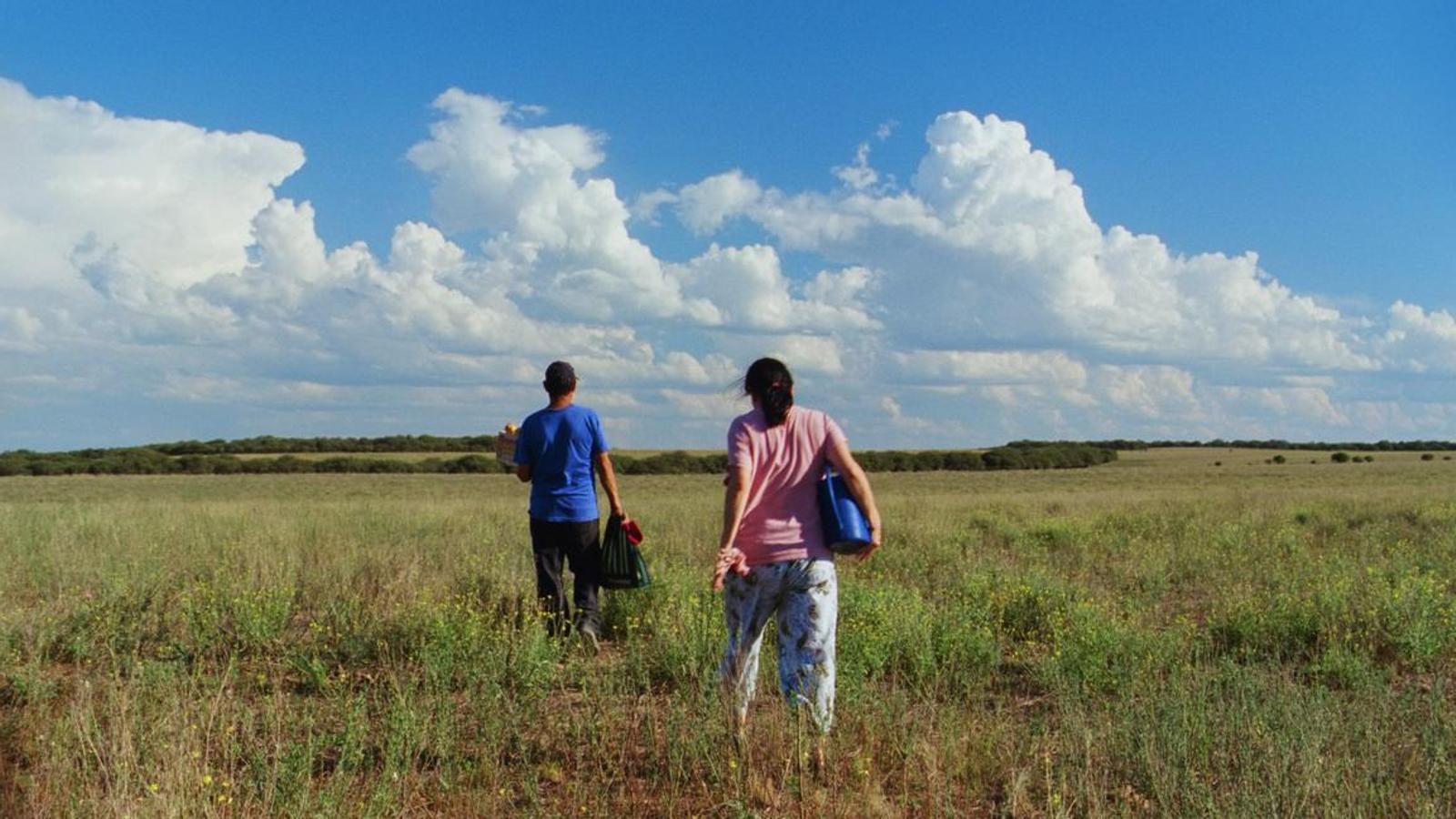
The double freedom begins with scenes that replicate the previous film, although the face and body of the protagonist show the passage of time, but a novelty (inspired by the director's life) shakes everything up: the Spartan and lonely Misael must take in his institutionalized sister because the local psychiatric hospital is closing due to lack of funds. This narrative framework brings out an implicit social criticism in the original, by relating in an evident way to the Argentine present: the freedom promised by the chainsaw government impacts the lives of people, especially those who already had a very restricted capacity for choice. As the audience observes these laconic vignettes, which end in an open way as if the bourgeois dilemmas and enigmas of L'Avventura by Antonioni were reincarnated in precarious lives, they can reflect on individual and collective freedoms, responsibilities, and dignities.
