Superintelligence: the war for the narrative of AI
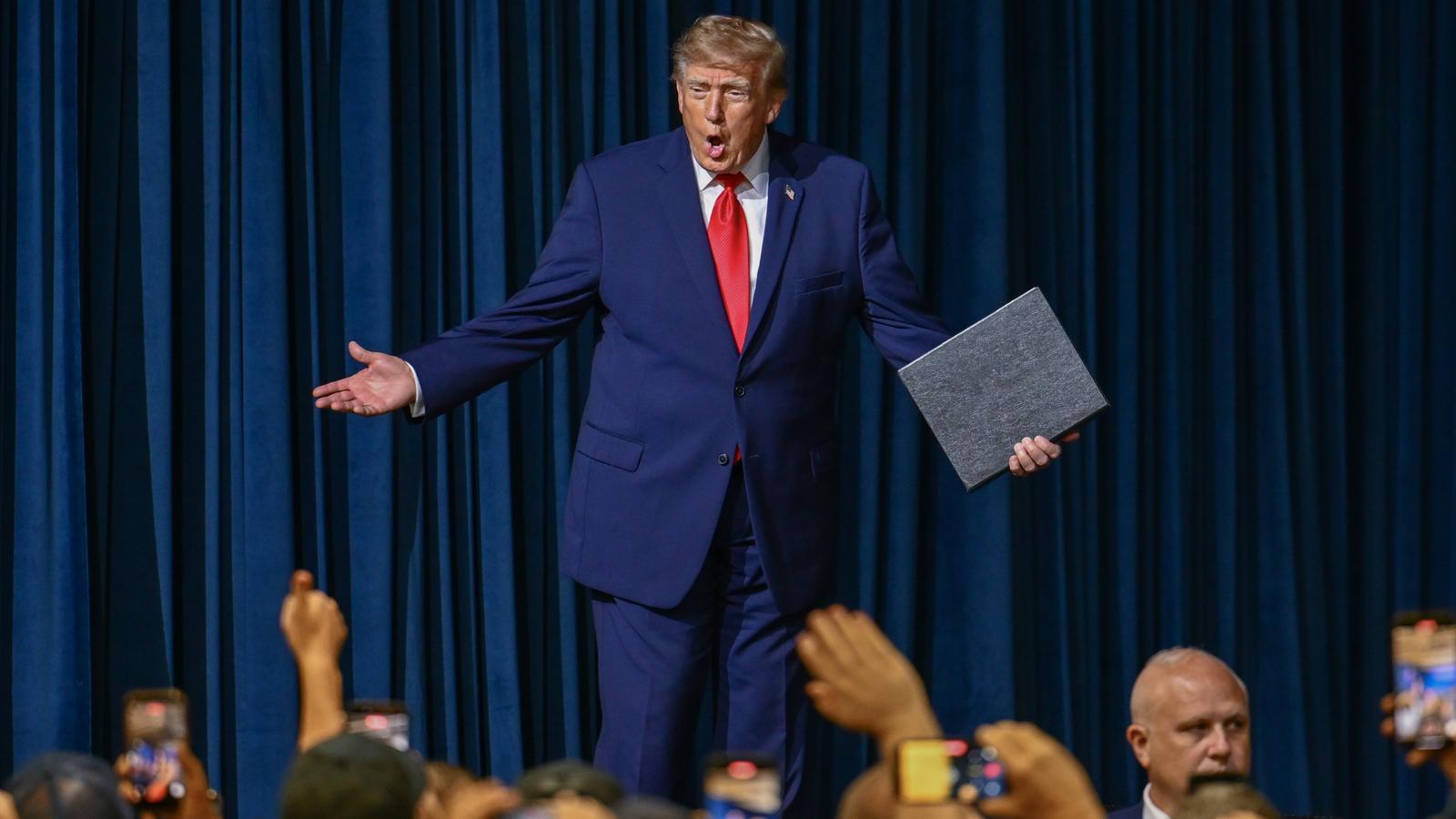

We find ourselves immersed in a moment of confusion in which, as time goes by, the fight to control the AI narrative becomes more complicated and intensified. To the tension between the different sides trying to either sell, understand, or regulate these technological creations, another plot twist has been added: Donald Trump has ordered that from now on, in governmental affairs, AI shall be called superintelligence, which will also lead to the substitution of the acronym AI for SI. This measure (Trump's true colors are showing) is an attempt to counteract the growing animosity of the citizenry towards AI and its representatives, who in recent months have dedicated themselves to spreading the dangers of developing it without regulation far and wide.
It is no coincidence that just last weekend a skit went viral in which actress Jane Wickline mimics the temperament and catastrophic speeches of Dario Amodei, the CEO of Anthropic. Besides making it evident that Sam Altman and Dario Amodei have become the laughingstock of everyone, the skit clearly exposes the concerns of the citizenry: if, according to these techbros, AI is to create chaos in the labor market, if it is possible that it might kill us all, what are the benefits that make us venture to put everything at risk? It gives the impression that these new technological heroes have put themselves in a dead end, because they are overlapping the preparation for the IPO with the possible bursting of the AI bubble.
In an attempt to rectify this narrative mess, Trump has rushed to apply an urgent terminological patch and, in the process, has reaffirmed his political position. It is a well-calculated gesture on his part, because it must be taken into account that the issue of regulation and the future of AI will be central to the 2028 United States election debates. The degree of dissent in political positions on AI is exemplified by the contrast between this gesture by Trump (Republican Party) and a debate organized by Senator Bernie Sanders (an independent politician who was a presidential candidate for the Democratic Party) this spring at the Capitol. Sanders invited Chinese scientists to discuss the existential risk of AI and the need to establish international agreements.
It must not be a coincidence, either, that just this very week, Bill Gates, the founder of Microsoft, granted an interview to Ezra Klein for the New York Times in which he seems to want to bring some sense to the incongruous arguments of the new batches of billionaires in the tech industry. I would say that Gates, backed by the many years he has spent at the forefront and by his philanthropic side, aims to establish himself as a reasonable voice and lend credibility to the AI project. Klein, however, does not make it easy for him: his aggressive tone aligns fully with the current state of public distrust. Gates defends himself, irritated: every technological revolution has required regulation. It is not strange, he says, but it is urgent. The problem is that Microsoft and OpenAI have maintained a very close technological relationship until now and that, to a greater or lesser extent, Gates must also feel cornered.
Like many other women in the technology sector, Timnit Gebru, known for her work in AI ethics, and Emily M. Bender have a very different opinion from that of Amodei, Altman, and Gates. Just a few days ago, they also published a hard-hitting opinion piece in The Guardian: let's stop worrying about superintelligence, AI almost triggered the outbreak of a world war. Basically, Gebru and Bender argue that AI has an unavoidable tendency toward error, and that this is what we should be concerned about. That is to say, the danger lies not in the magical and absolute power of language models, but in their lack of reliability. The arguments, as you can see, are absolutely opposite.
To the question of which jobs will survive superintelligence, Bill Gates responds that, although machines will be able to do almost everything, perhaps we will create "human reserves" similar to "nature reserves." Our children, he says, will have human teachers if we decide to preserve this realm. Let us imagine for a moment that the cyber-oligarchs are right and that these "superintelligent" machines are all-powerful. Will these "reserves" be enough for us? Is the world that big tech companies are designing the world we want?
