Make a Lula to Zapatero (and to Sánchez)
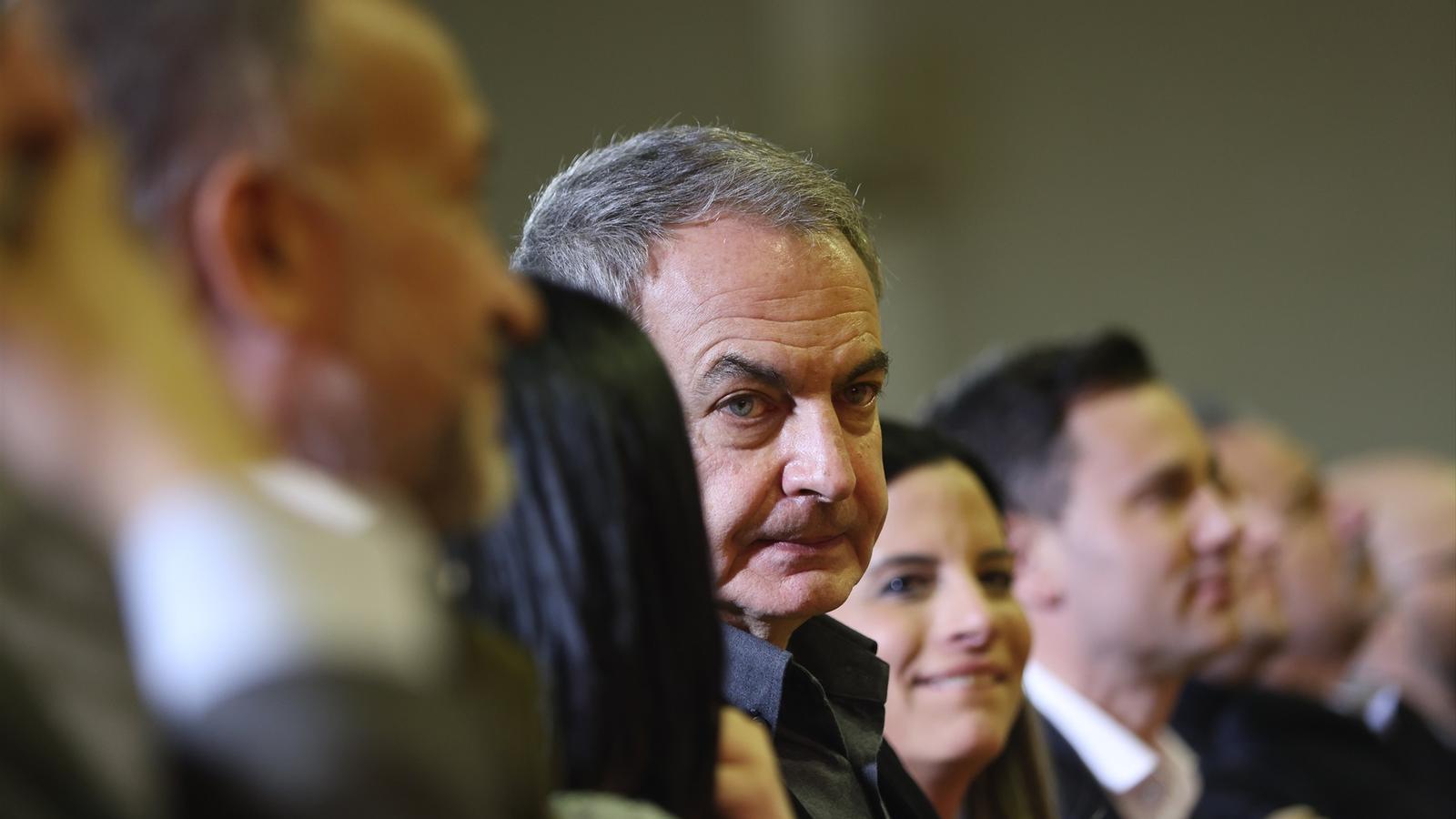

Zapatero granted an interview to TVE to give explanations, as far as he is willing to give them for reasons of procedural strategy. It is legitimate: he is the first former Spanish president to be judicially investigated, and he is so on important charges, such as criminal organization, influence peddling, and document forgery.
The political reactions have been the predictable ones: the PSOE maintains that Zapatero is innocent and that he has explained himself with transparency (even after the two Julio Martínez have testified against him); the PP maintains that he is not only guilty, but also that Zapatero's fate is inextricably linked to that of Pedro Sánchez and that both must answer for the misdeeds of the gang that, according to the PP, rules in Moncloa. They do not say it in these words, but they believe that both must go to prison, and from the PP itself and its surroundings this idea – Zapatero and Sánchez in prison – is hammered and chewed over day after day. The investiture parties remain expectant without saying anything concrete, with the exception of Sumar, which agrees with Vox in asking for “more explanations”, but without much conviction and without much emphasis. In the case of Sumar, because they are and will continue to be partners in the coalition government; in the case of Vox, because they have discovered that it is more advantageous for them to let the PP burn and wear itself out in its scorched-earth strategy while they reap the results: expectation of electoral increase and an indisputable political dominance over the PP in the communities and municipalities where they govern together.
The case will predictably be long and intricate because it involves many actors, but above all because it involves entering a hitherto unknown territory (judging a former president), in which the judicial and political powers inevitably interfere with and contaminate each other. This, as we know, is nothing new in Spain, but it is new for the robes to go against a former president. One does not need to be very perspicacious to realize that the investigation against Zapatero (it is interesting that former presidents of the Spanish government are being investigated, but it is even more interesting to ask why it has not started with any of the other three living former presidents) is high-caliber ammunition against Sánchez. Nor to realize that there is a recent precedent in Brazil, in the prosecution and imprisonment of Lula da Silva, precisely for corruption. Anyone who wants to make the comparison will realize that the accusations against Lula, the accusers (the right and the far-right, with Bolsonaro at the forefront), the incriminating evidence, and the suffocating political climate that was created around the case (he came to have a dozen open cases pointing directly at him) are taken from the same manual that the PP is now applying. In Brazil, the Supreme Court finally acquitted Lula and closed all cases. It did so on the basis of several arguments, but one of the main ones was that the judge who had investigated the process, Sérgio Moro, had shown himself to be not impartial.
