Formentor: aces that do good work
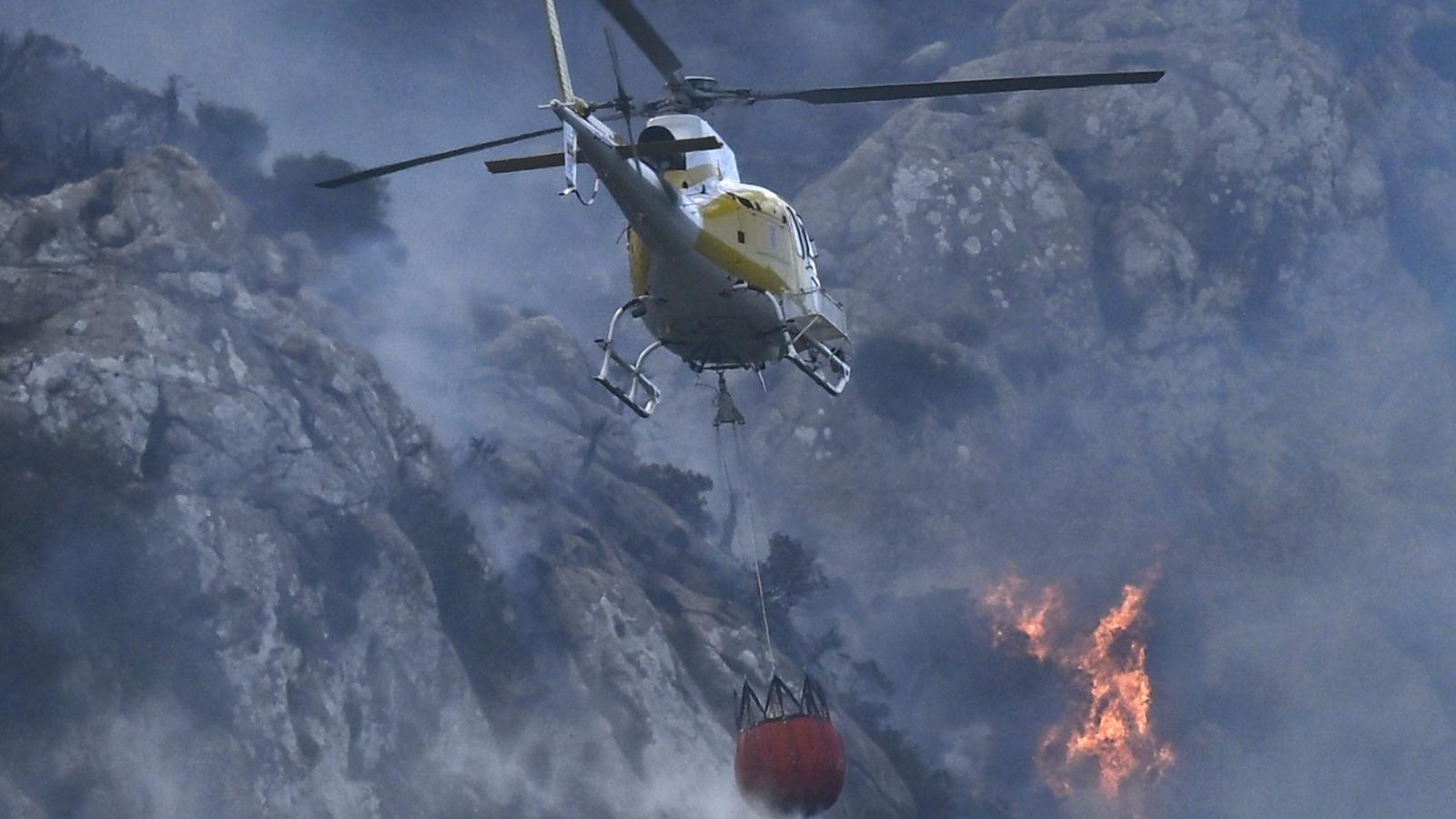

You can read about it in Bruno Rodríguez’s chronicle in this newspaper: the fire that the Formentor peninsula (Mallorca, northern limit of the Serra de Tramuntana) has suffered in recent days had a smaller impact thanks to prevention work carried out with donkeys. The impact in question was, however, brutal: 268 hectares of pine forest and scrubland scorched (to some it might seem like a small amount because we have become accustomed to horrifying news about thousands of hectares consumed by fire: but look at it how you will, 268 hectares is an outrage). There would have been many more, however, if the Cala Murta area had not been cleaned beforehand by about twenty donkeys grazing there, thanks to a program by the Rotger Villalonga Foundation that combines forest clearing (and, therefore, fire prevention) with the recovery of the autochthonous Balearic donkey species. The Formentor fire—which started last Sunday evening and was not declared stable until Tuesday morning—leaves some valuable lessons: one, the confirmation that the best way to fight fires is to prevent them. Another, that the Mediterranean has become, due to climate change, a landscape so parched and flammable that it can already suffer serious, or very serious, fires even at the end of November. A third, that often the most effective mechanisms for prevention are found within nature itself: the grazing of herbivorous animals like the donkey is an excellent way to reduce the plant fuel in forests and, therefore, the danger of fire. Yet another, that the insistence of human communities to live with their backs to nature, as if it had nothing to do with us nor should it affect us, is one of the main errors in the way we have organized our post-democratic consumer societies. It is not nature that invades, interferes with, or hinders what we consider our normality, but the opposite. It is we humans, an invasive species, who destroy natural spaces wherever we settle, or we exhaust them or corrupt them. The protection, and also the improvement, of our living conditions, depend on the ability to readapt ourselves to the world in which we live.
Talking about all of this in the final stretch of the election campaign is not avoiding the issue: quite the contrary, it is an attempt to remember what election campaigns should be talking about. Climate change is one of the most urgent problems weighing upon us all: we should know what those aspiring to hold high government responsibilities plan to do to address it. Instead, we see a spectacle that, with each election, becomes more infantilized and degraded. We know, of course, that among those running, there are some who still deny it, climate change, and others who, without denying it, speak about it with a cold neck and dragging their feet. Faced with these people, the donkeys of Formentor provide a humble, and at the same time forceful, reply to another breed of much more dangerous donkeys.

