Punishing a journalist for asking about the far right
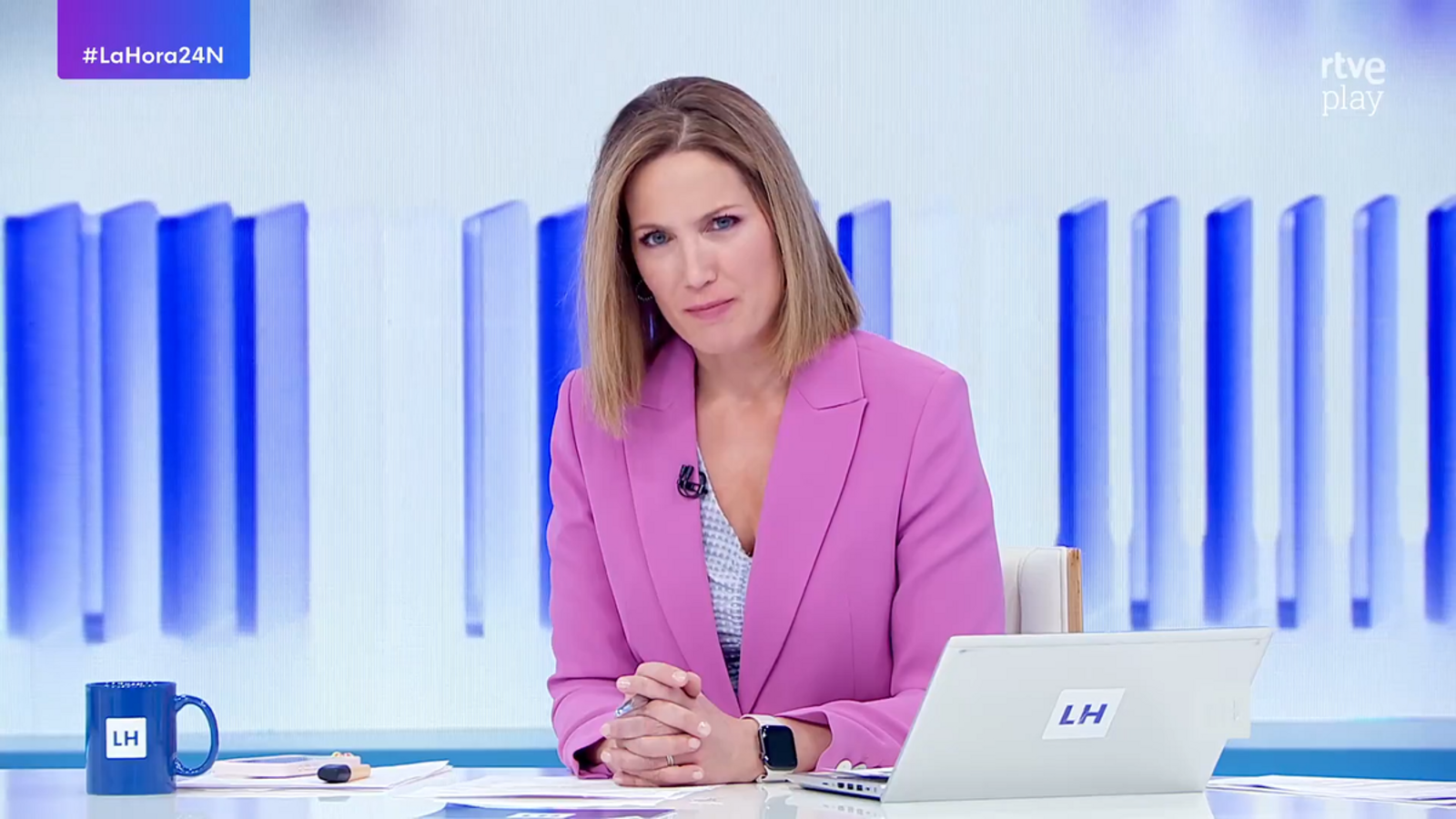

The main function of journalism is to ask questions, especially if they might be uncomfortable. And they are rarely neutral, equidistant between positions, because they always start from the point of view of the person asking them. Claiming neutrality, in journalism, is not only a mistake, it is an impossible stupidity. This does not mean that reporters should not work with rigor and independence, nor that they can be biased in favor of specific parties. And that is also why it is surprising that the Central Electoral Board – formed by eight magistrates and five professors of law, politics or sociology, not journalism – wants to punish a journalist for asking questions about how the far-right should be reported on.
“I receive this file with pride and honor,” stated journalist Silvia Intxaurrondo on the set of La hora de La 1 of Televisión Española as a reaction to the Electoral Board's intention to fine her between 100 and 1,000 euros. Her crime had been asking three questions on air and opening them up for debate on the talk show: “Should the far-right have a place in public television? Can RTVE be neutral if it has the duty to defend fundamental rights and equality? Where does pluralism end and the normalization of discriminatory discourses begin?”. This Tuesday, she insisted on the questions: “Is the Electoral Board neutral between fascism and democracy?”.
Intxaurrondo already dedicated an “affectionate” greeting on Monday to the Central Electoral Board on her program and shared the video in a tweet that has accumulated nearly two million views. The tweet from La hora de La 1 with the video of her reaction this Tuesday morning accumulated more than 300,000 views on X in just four hours and has spread across the network. The Central Electoral Board has managed to make the journalist's questions go viral: a textbook Streisand effect.
