Climate change is also voted on

After a summer of stifling heat, fires and torrential rains, it seems that autumn has finally arrived in Catalonia. We are entering fully into an electoral pre-campaign, now without torrid nights that do not let us sleep, mobile alerts or heat waves. But everything points to the fact that climate change will be one of the great absentees of the debate.
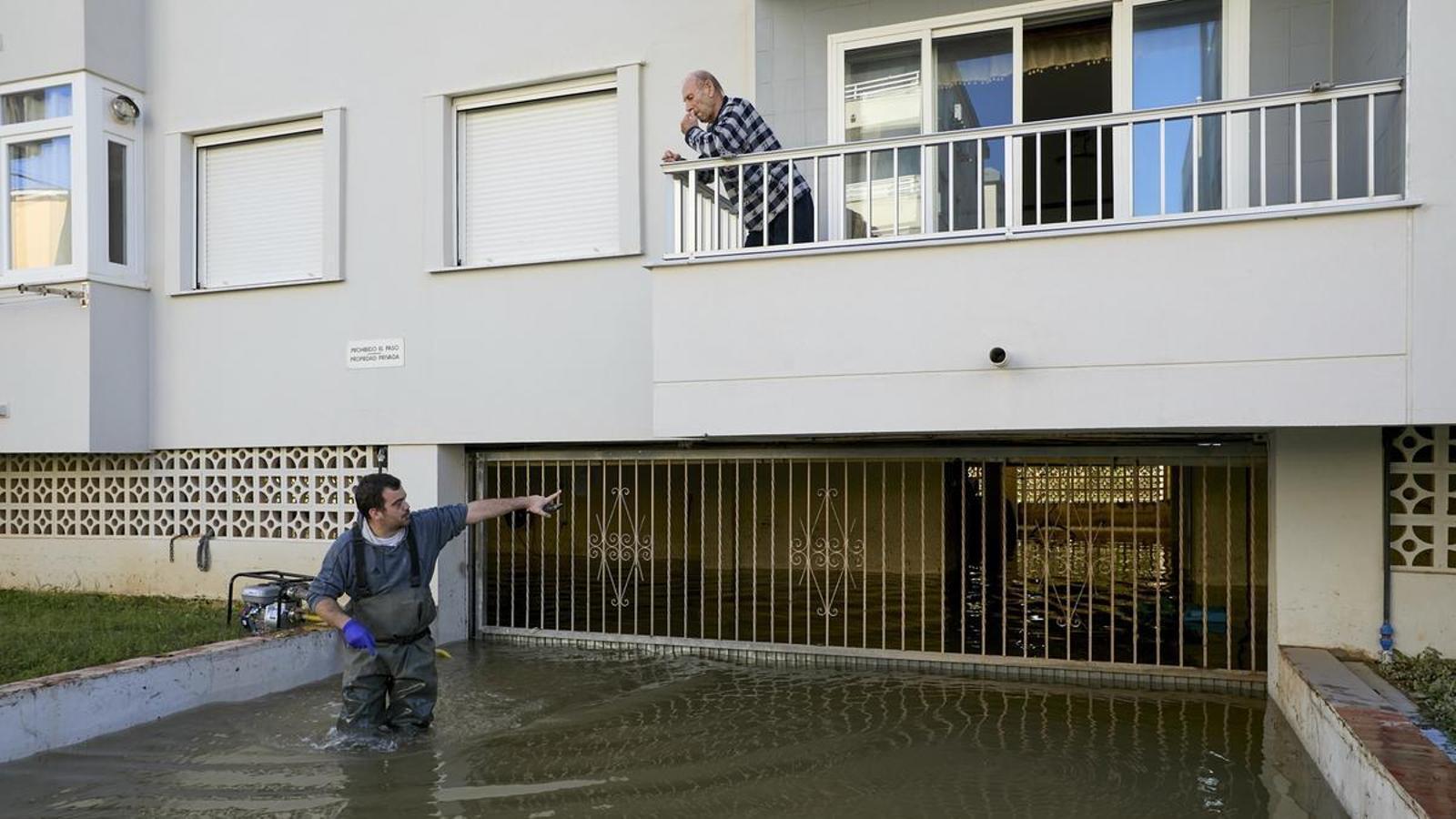
This summer, Barcelona was the second European city with the most deaths attributable to climate change. About 1,600 people, according to a study by Imperial College London published this week. It will soon be two years since the Valencia DANA, which left more than 200 fatalities. Since then, we have learned to live with preventive alerts and to adapt our lives and plans to the weather. But the deaths from the heat show that warning of danger is not enough to protect us.
A little over a month ago, Sweden held general elections. The center-left bloc won a narrow victory, and in the final televised debate, climate change was one of the six major topics of discussion, along with the economy, healthcare, and security. In fact, a few weeks earlier, the leaders of the various parties had a debate dedicated exclusively to climate policies. Not everyone agreed on the measures that needed to be taken, but they did have to publicly explain and defend their positions.
Here, the election campaign is marked by housing, pensions, and the cost of living. And rightly so, because these are issues that condition our day-to-day life. But climate change does too. It is not the same to experience a heatwave in a well-insulated home with air conditioning as it is in an apartment where the temperature does not drop even at night. Nor is it the same to be able to work from home when there is a rain alert as having to leave the house anyway. Nor is it the same to face extreme temperatures in good health as with an advanced age. According to CIS data, three out of every four citizens say that climate change worries them a lot or quite a lot, but almost no one mentions it when asked about the main problems of the country. Perhaps because it does not compete with these concerns: it cuts across them.
It is probably easier to worry about climate change in the middle of an emergency than to discuss the decisions needed to face it. These are decisions that involve investments, regulations, and priorities. In a few weeks we will vote, and we should know what each party proposes. What energy and production model do they defend? How will they reduce emissions? How will they adapt housing and cities to increasingly extreme temperatures? Planned or not, the ecological transition will happen anyway: what is at stake is avoiding that the costs of this transformation fall on those who have the fewest resources.
Climate change deserves its own space in the electoral debates between now and November 29th. May the candidates explain what they propose, defend their decisions, and answer specific questions in front of the cameras. Because, if we do not talk about it now that we must decide who will govern us, we will talk about it again when the next heatwave, fire, or flood forces us to remember that the problem is still here.
