The Nazi film that never existed
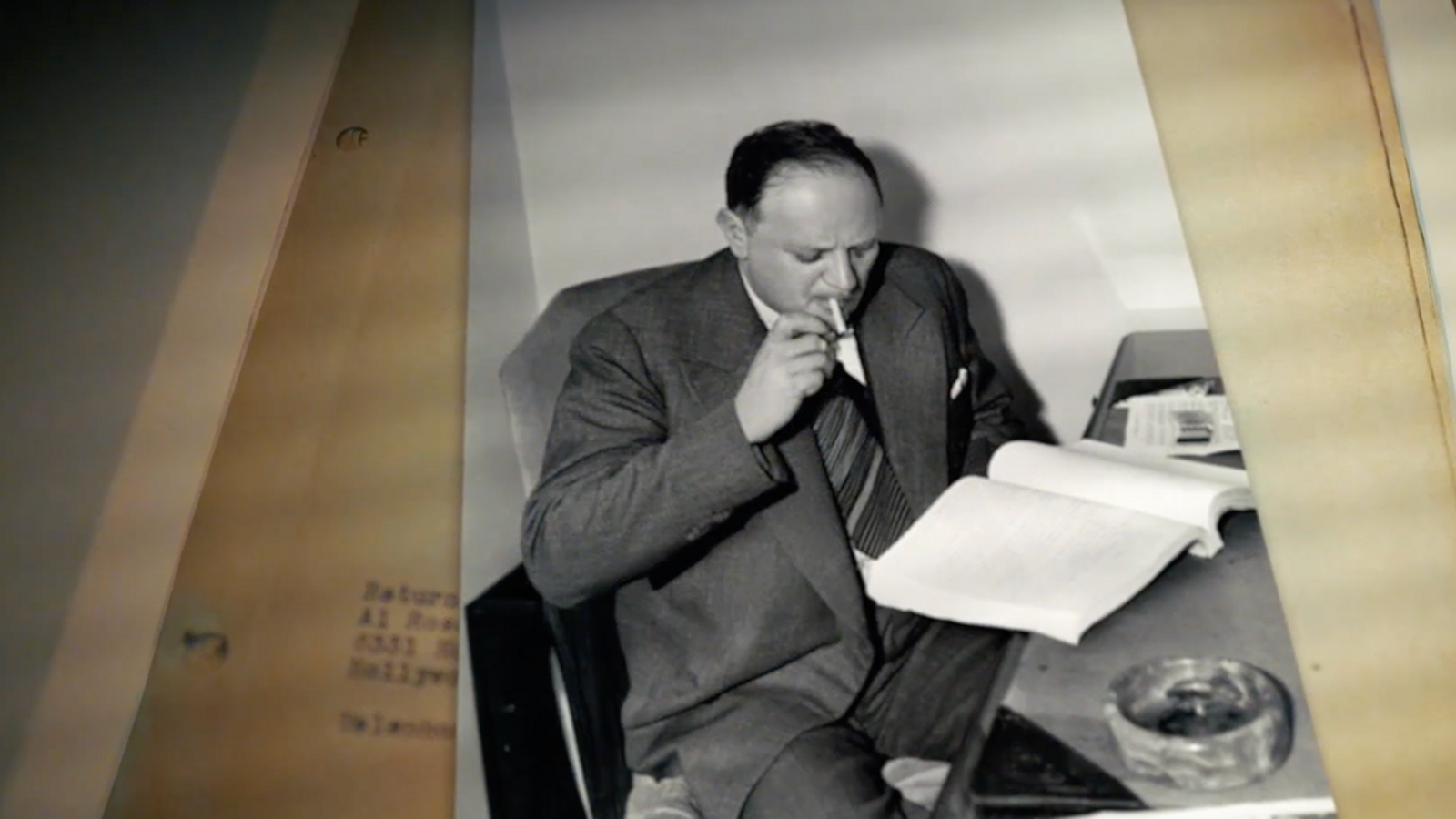

In 1941, Herman J. Mankiewicz won an Oscar for the screenplay of Citizen Kane. It has been explained on other occasions how he wrote it: isolated on a ranch in the middle of the Mojave Desert after suffering a serious car accident. Orson Welles, aware of the screenwriter's alcohol addiction, confined him while he was bedridden, and made him write a script that would cause a turning point in their lives and in the history of cinema.
What has not been explained as much is that, nine years earlier, in 1932, Herman J. Mankiewicz wrote another script in which he anticipated the horrors of Nazism with the desire to make viewers aware of the dangers of Hitler's rise to power. Movistar+ has just released an excellent documentary that explains this stage of the screenwriter's life to portray a side of the Hollywood industry that is often tried to be covered up. The Nazi film that never existed is a documentary that reveals the journey Mankiewicz went through to carry out a film that detected all the key points of the German dictator's rise to power. The film was titled The mad dog of Europe. It was a parable about fascism starring two German families, one Jewish and the other Catholic.
Mankiewicz was a visionary many years before the whole world discovered the horrors of the Third Reich. The title of the documentary already reveals that the film was never produced. In fact, the struggle to carry it out dragged the screenwriter into a process of personal self-destruction and family ruin from which only Orson Welles would save him.
The documentary transports us to the Hollywood of the twenties and thirties and its power dynamics. It offers a look at the history of cinema, which at that time was the dominant art and a cultural transformer. Mankiewicz was aware that it could be an extraordinary propaganda tool, but a danger in the wrong hands. And here another plot appears: that of the Nazis infiltrated into American society and how they influenced Hollywood. The Nazi film that never existed also sheds light on the industry controlled by the Hays Code and censorship in a United States where white supremacy, the racism of a segregated society, and anti-Semitism were imposed.
The documentary has elements of thriller. It recovers documents and sound recordings of the protagonists. It also uses fragments from the screenplay of The mad dog of Europe to make Mankiewicz's visionary gaze evident. It plays with magnificent archival footage, but always alternates it with scenes of current-day Hollywood. And, obviously, this combination of past and present has a final warning: that of a new alarm about fascism. The warning from Herman J. Mankiewicz at the beginning of the last century is useful again now, used more subtly, by his grandchildren. The nazi film that never existed is not only used to look at the past but to observe the cycles of history.
