The 'InfoK' interview that you must not miss

This week, InfoK, the news program for children on SX3, held a special edition to commemorate International Children's Day. The regular presenter, Núria Vilanova, handed over the baton to two girls, Abril Tort and Júlia Germà, to host the broadcast. In each report, we met other children who spoke to us about different rights through their personal stories. Noa, who has spina bifida, reflected on the right to health and to be able to play sports. Shalana and Farners Pei Hong demanded the right to identity because they are too often confused simply because they have Asian features. Asra, who lives in Catalonia after her family fled Afghanistan, spoke to us about the importance of the right to live in peace and to be able to study.
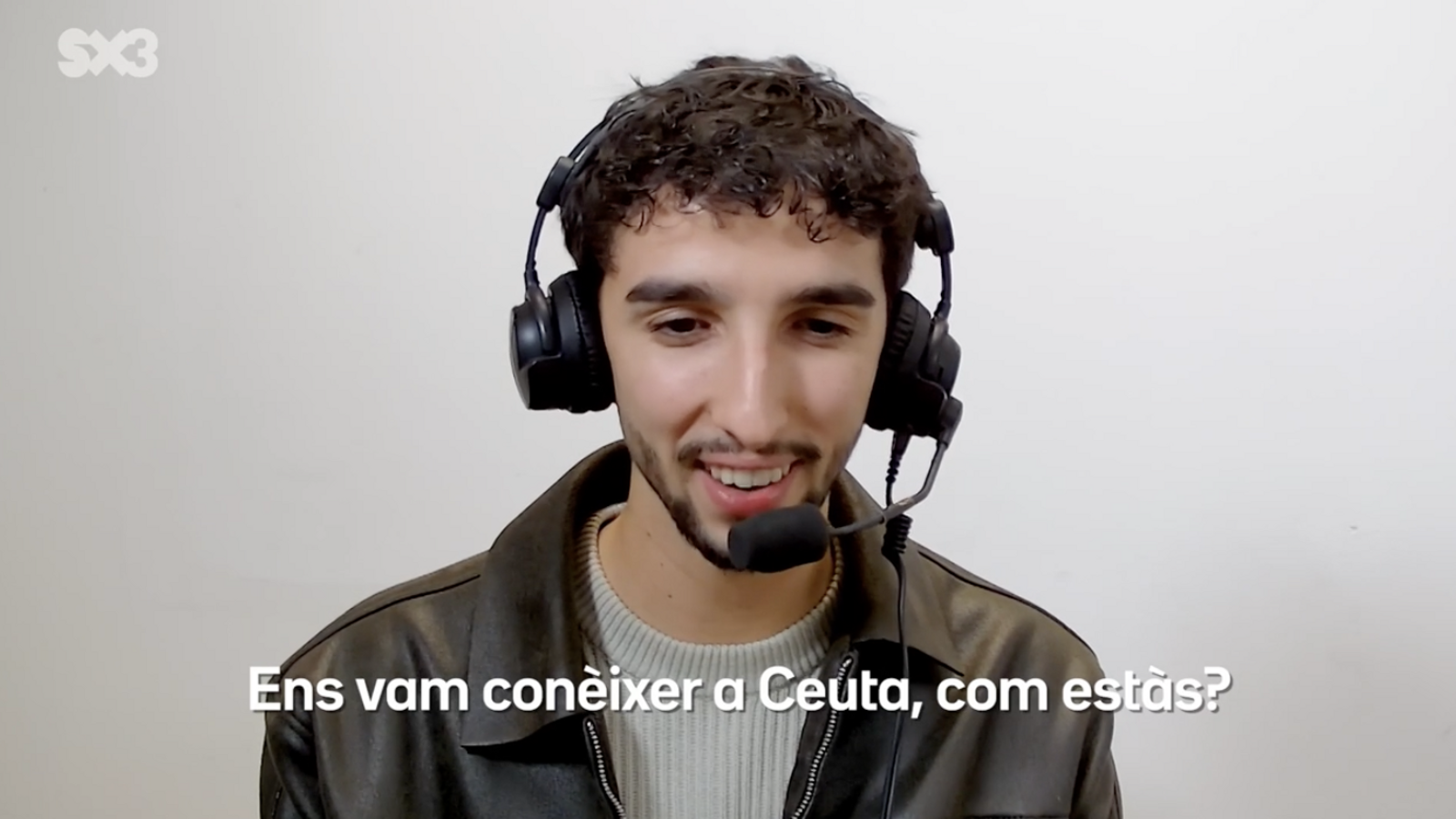
The first story we saw was that of nine-year-old Imran. The report was by TV3 journalist Alaaddine Azzouzi, whom we saw a few months ago reporting on the migration crisis in Ceuta. There, Azzouzi met Imran's family, who were living in a tent on the street after having crossed the border. Through a video call, Alaaddine reconnected with Imran and Fadua, his mother, to recall the experience a few weeks after having returned to Morocco.
The report combined images of Imran recorded in September on the streets of Ceuta with the interview they were having now, speaking in Moroccan Arabic, remembering those very hard days. The situation became so complicated due to hunger and fear that the family decided to leave. Alaaddine asked Imran how he was, and the boy spoke of the broken dream of making a new life in Spain, to study and play soccer. He explained that he missed some friends he made in Ceuta and that the return to Morocco had not been easy: “It was hard for me to accept it. The kids at school laughed at me. I told the teacher that I had been on a trip, but they said no, that I had been in Ceuta without papers”.
The conversation that Alaaddine Azzouzi and Imran were having had many implicit aspects: the emotional scars of a migratory experience, broken hopes, the pain of the failure of not having achieved the dream... But, beyond the moving factor that this story, told through the eyes of a nine-year-old boy, has, from a journalistic perspective it also had great value. In the media, the informative impact of Ceuta has been losing repercussions. There has been no talk about what happens to all those people who retraced their path to return to their country nor the implications of all of it. We saw Azzouzi's report about Imran on the magnificent InfoK, but the conversation between the two of them had the entity for the Telenotícies, which could have taken advantage of it, especially because it offered us a point of view that the media has not known how to reflect in all these months.
