The danger of giving free advertising to the far-right
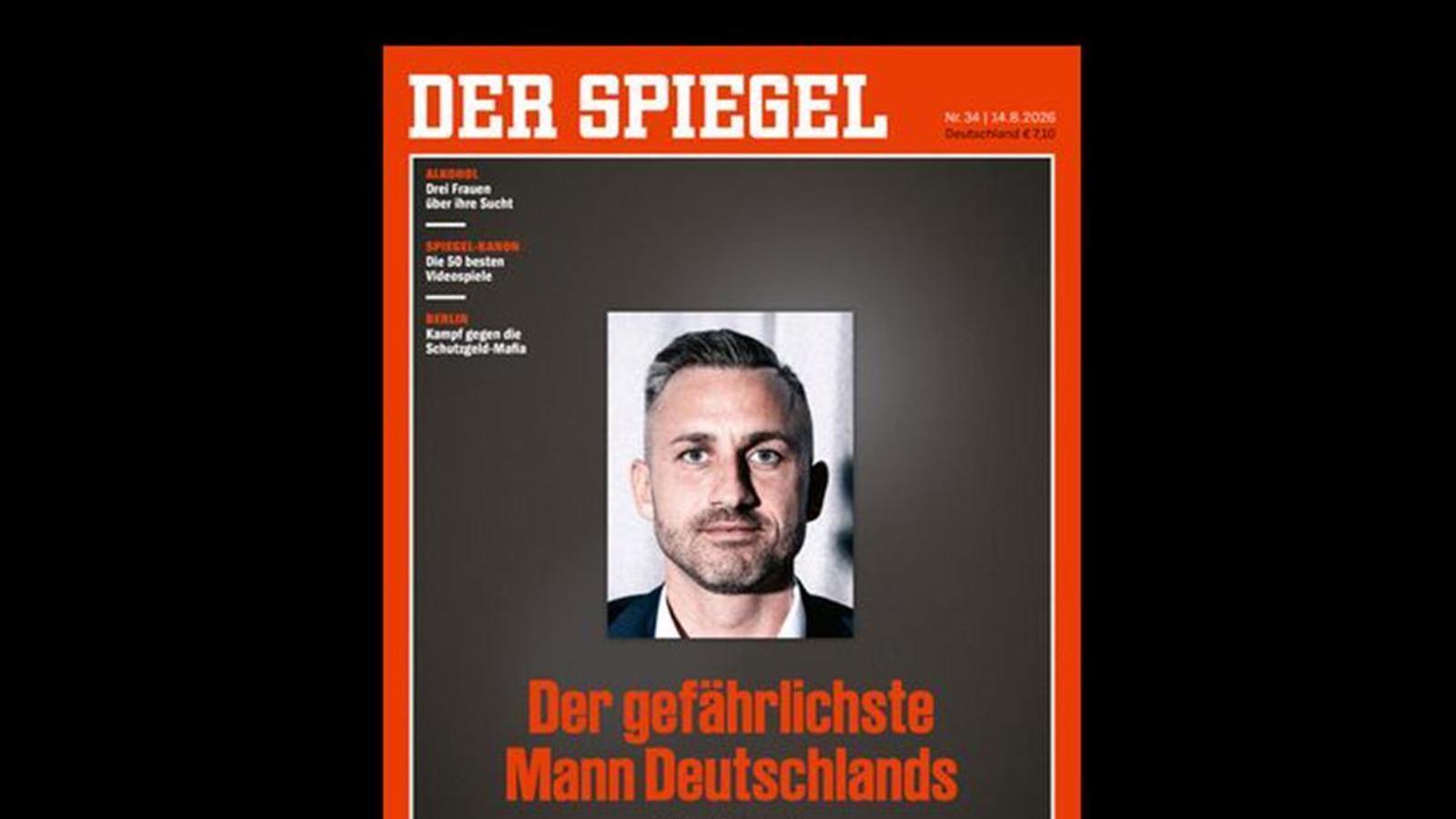

BarcelonaIf there is one thing the far-right does well, it's playing the victim. Since they present themselves as anti-system, any criticism they receive from the media is used to claim that the establishment is persecuting them, etc., and it's usually a discourse that resonates with their followers and from which they benefit. A textbook example has occurred these days in Germany, when the magazine "The Mirror has published a cover with a close-up photo of the Alternative for Germany (AfD) candidate in the state of Saxony-Anhalt, Ulrich Siegmund, and the headline: "Germany's most dangerous man".
The magazine lists the reasons why it considers Siegmund a danger, but the fact is that the AfD has found the campaign done for them, and at each rally they display the cover as proof that the establishment is trembling at the possibility of them coming to power. The elections in this state are on September 6, and polls predict that the neo-Nazis are close to an absolute majority.
Hence, the media and journalists find themselves obliged to tread carefully with the far-right. The dilemma is as follows: how to cover them journalistically, meaning critically when necessary, without them turning it into ammunition. The answer is not at all easy. At ARA, many readers complain that we give Aliança Catalana excessive coverage, which benefits them, while others believe we do not give them enough voice. If a strict journalistic criterion is applied, the AC phenomenon is news, and furthermore it generates interest (i.e., visits), but our function is not only to be a transmission belt for their messages because, as journalists, we have a civic and social responsibility. It's complicated, as I said. Of course, we have learned enough not to create a front page like the one in "The Mirror.
